




Practicing virtual Chinese Medicine in pandemic times
Photo Cred: Anna Shvets/Pexels
By Irwin Tjiong, LAc, MBA
Working at an integrative care clinic of a large Cupertino-based tech company, I witness daily the harmful effects of the challenges and demands of current work-from-home conditions. Many of my patients work harder than ever before and are constantly looking for ways to cope with things like children’s distance learning, sharing a workspace with a spouse, social isolation, societal upheaval, and climate change, to name but a few. As a result, physical and mental health concerns have skyrocketed.
According to the American Psychiatric Association, 62 percent of Americans feel more anxious than they did this time last year. Integrative practitioners have long known that stress and anxiety are associated with a wide array of diverse conditions. Virtual Chinese Medicine (VCM) can help restore and strengthen the mind body connection many of our patients need in tumultuous times like these.
Looking back, 2020, with its emphasis on virtual care, may well mark the year integrative healthcare decisively pivoted toward Traditional Chinese Medicine (TCM) offerings such as acupressure, circadian health coaching, Qigong, and breath work. Acupuncture will always be a powerful component of Chinese Medicine, yet the pandemic reality is that offering in-person care will remain quite challenging for integrative practitioners.
VCM, on the other hand, offers a suitable alternative and complement to pre-pandemic practices with a strong emphasis on patient self-care and empowerment. In the past, patients would predominantly receive acupuncture and related in-person services such as electro-acupuncture, cupping, or Tuina therapeutic massage. Virtual Chinese Medicine allows providers to spend more time offering services like acupressure, Qigong, Tai Chi, breath wor,k and Circadian health coaching.
Acupressure
Acupressure is a non-invasive technique often used in conjunction with acupuncture. Virtually, I teach and demonstrate to patients how and where to apply acupressure depending on the nature of their complaint. Instead of needle insertion, the patient can use and stimulate acupoints that can improve various conditions, including insomnia.
As a typical example, a patient with low back pain may benefit from applying moderate to firm pressure on Large Intestine 4 (Hegu), a renowned acupoint located on the hand between the first and second metacarpals. We would go over the point prescription in detail, discussing location, technique, frequency, and duration.
Qigong and Breath Work
Similarly, Qigong, Tai Chi, and other types of breath work can help reconnect our patients with their physical bodies. According to Chinese medical theory, breath, one of the common translations of Qi, and its proper circulation are fundamental to human health. The term “Gong” simply indicates labor or practice. Therefore, Qigong is considered one of the most effective approaches to work with your breath.
This practice offers well-researched health benefits. For example, patients with stress and anxiety greatly benefit from an ancient exercise called Pulling Down the Heavens to restore balance between mind and body. By creating more body awareness through breath and movement this cleansing exercise helps patients return to the present moment. This series of easy to learn movements involve moving your arms up to the side (palms facing up) as you inhale and bringing the arms down in front of you (palms facing down) as you exhale. It acts as a reminder to each person’s role to connect heaven and earth with self and often leaves the practitioner with feelings of calmness and higher levels of focus and energy. Exercises like these are readily instructed and demonstrated via webcam.
Tongue Diagnosis
TCM practitioners traditionally use both pulse and tongue diagnosis. With the former limited to in-person treatment, diagnosis of the tongue remains a key instrument to virtually assess the patient’s health. Under consideration are both tongue body and tongue coating with careful assessment of color, thickness, moisture, and geography.
For example, a bright red tongue with a dry and brittle appearance as well as little to no coating may indicate an acute Heat pattern which can be accompanied by symptoms such as headaches, hypertension, and constipation.
Herbal Medicine
Herbal medicine is another component of Chinese medicine that is critical in supporting our patients. At the end of each session, TCM professionals provide herbal and dietary recommendations. In the state of California, every licensed acupuncturist is also licensed to prescribe herbal medicine. We support many of our patients with supplements that promote circulation, strengthen the immune system, and reduce fatigue.
For example, Yu Ping Feng San (or Jade Screen Powder) is commonly prescribed to help support the immune system. This is a classic Chinese herbal formula consisting of three herbs: Huang Qi (astragalus), Bai Zhu (atractylodes) and Fang Feng (siler). This supplement is taken as a therapy for prevention of cold, flu and allergic rhinitis.
Circadian Health Coaching
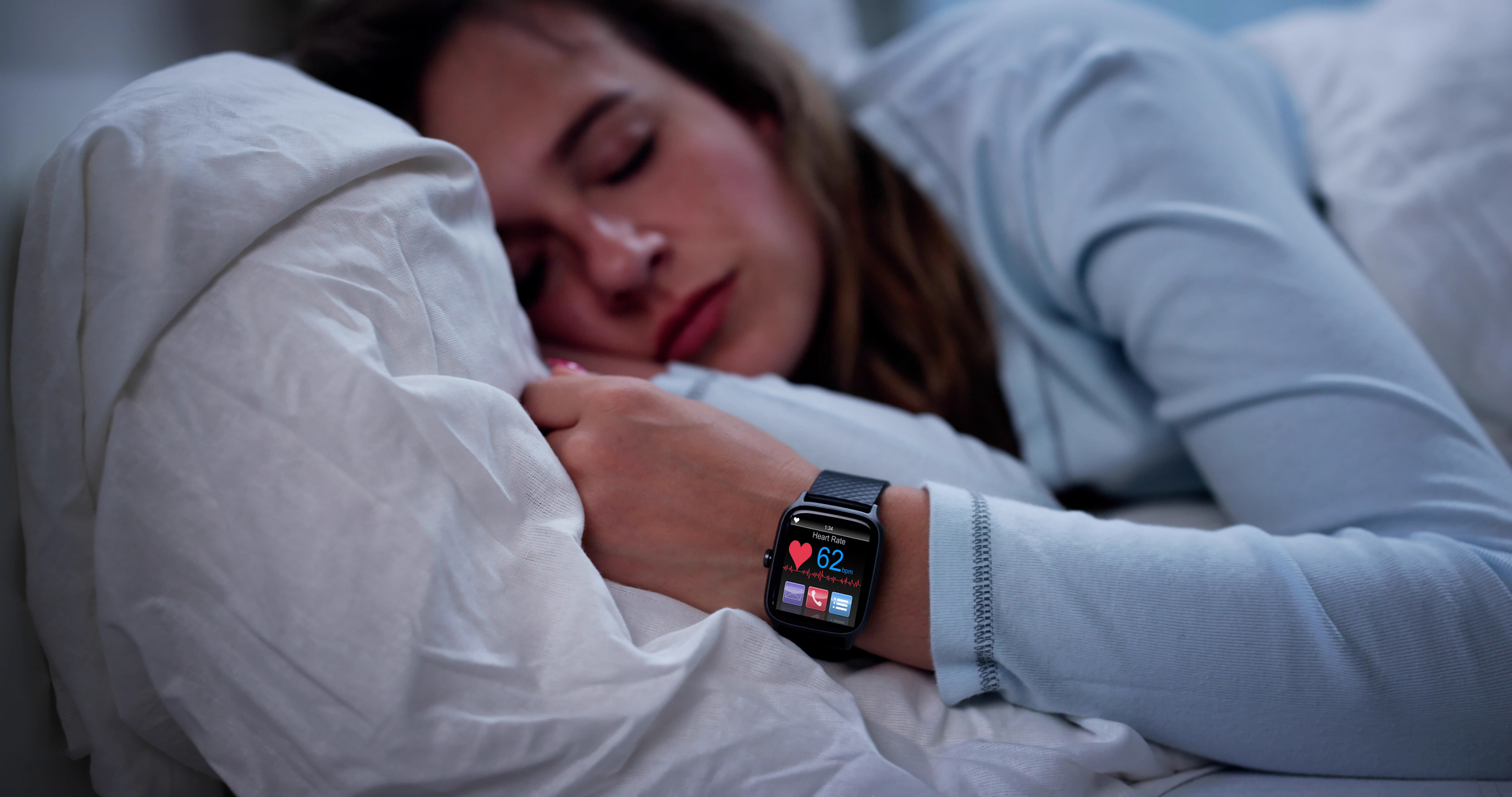
Circadian health coaching is the practice of helping patients create daily custom routines in rest, activity, and diet. TCM practitioners have long observed that organ systems and their general physiology oscillate across the 24 hours of the day. Researchers are also becoming increasingly aware of the importance of circadian rhythms and their influence on our health and wellbeing. In 2017, three American scientists won the Nobel Prize in Physiology and Medicine for their findings in chronobiology, affecting critical functions like heart rate, body temperature, sleep, digestion, and the immune system.
In four weekly 30-minute sessions, the patient and I co-develop a circadian health plan that establishes a rhythm and structure that is both healthful and sustainable. In week one, I introduce patients to chronobiology and the Chinese Body Clock, while also establishing a baseline understanding of the patient’s current sleep, diet, and activity routines. We develop both health goals and a personalized patient activity clock.
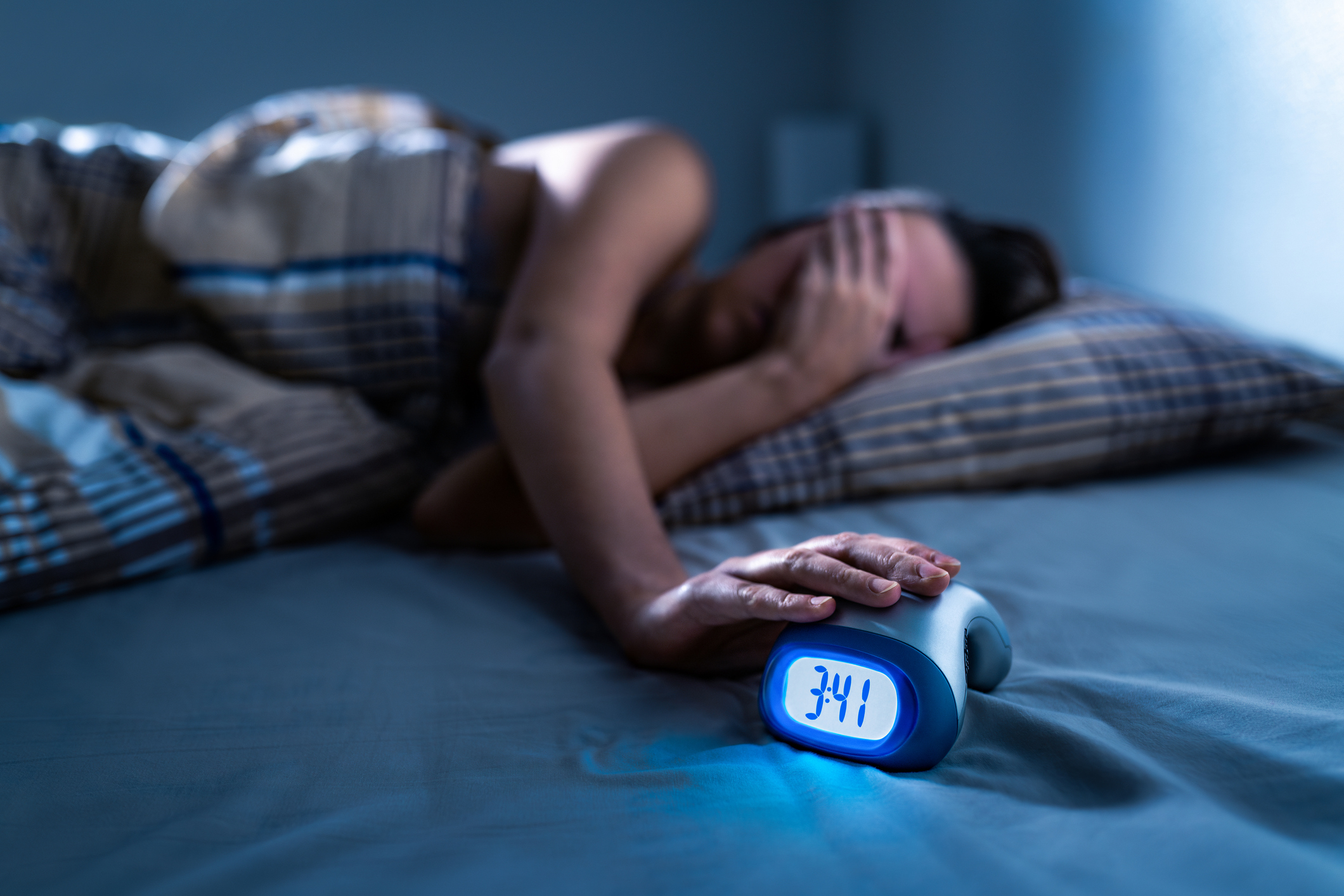
The second week is dedicated to rest, which includes sleep but also other forms of restorative self-care the patient can practice throughout the day. In addition to sleep hygiene, we discuss stress management techniques as well as the importance of taking Non-Sleep Deep Rest (NDSR), a nap or siesta. This short and refreshing nap is generally recommended to last between 20 and 30 minutes and no later than 3 p.m.
The third focuses on activity. We cover exercise in relation to body temperature increases that occur at specific times of the day. In addition, we address how to synchronize exercise with these temperature spikes to optimize performance and reduce the risk of injury. We also discuss general movement throughout the day, sedentary versus standing working conditions, as well as career fulfillment.
Lastly, in week four, we address diet and body clock optimization. Beyond timing, composition, size, and content of meals, the patient shares their thoughts on other elements of eating that creates energy and offers nourishment:
- Does the patient like to share meals with others?
- Is the process of cooking enjoyable and if so, why?
- What rituals exist around eating food, both personally and culturally?
- We then return to the patient’s health goals and customized activity clock for optimization.
While the past year have been extremely challenging, the pandemic has also given integrative practitioners a unique opportunity to connect with patients in novel ways. Virtually, providers can educate patients in how to promote health and prevent disease. Through self-care and the ability to healthfully structure their day, patients will feel more empowered. Leveraging technology to provide care safely and comprehensively during a pandemic may alleviate health concerns and enable patients to maintain a greater state of balance.
References
Connors, E. (2020) New APA Poll Shows Surge in Anxiety Among Americans Top Causes Are Safety, COVID-19, Health, Gun Violence, and the Upcoming Election. American Psychiatric Association. Retrieved from: https://www.psychiatry.org/newsroom/news-releases/anxiety-poll-2020
He, Y. et al (2020) Clinical Evidence for Association of Acupuncture and Acupressure with Improved Cancer Pain, A Systematic Review and Meta-Analysis. JAMA Oncology. Retrieved from: https://www.ncbi.nlm.nih.gov/pmc/articles/PMC6990758/
Feng, F. et al (2020) Qigong for the Prevention, Treatment, and Rehabilitation of COVID-19 Infection in Older Adults. The American Journal of Geriatric Psychiatry. Retrieved from: https://www.sciencedirect.com/science/article/pii/S1064748120303419?via%3Dihub
Yeung, W.F. et al (2018) Self‐administered acupressure for insomnia disorder: a pilot randomized controlled trial. Journal of Sleep Research. Retrieved from: https://pubmed.ncbi.nlm.nih.gov/28884877/
About the Author
Irwin Tjiong, LAc, MBA
Irwin Tjiong is a licensed acupuncturist working at an integrative care clinic at a large Cupertino-based tech company. Raised by physician parents in the Netherlands, Tjiong is passionate about bringing together different cultural approaches to health and wellbeing. He believes that the key to wellness is to empower patients to synchronize rest, activity, and diet routines with other priorities in their lives. He holds dual master’s degrees in Traditional Chinese Medicine and Business Administration and specializes in preventive care, circadian medicine, anxiety, pain, and autoimmune disorders. Tjiong is an avid reader and loves to hike, dance, and watch his children grow up in wonder.
About the Author: CJ Weber

Also on Integrative Practitioner

Dental Danger: Signs of Sleep Breathing Disorders in children and Adults, Learn the Visual Clues
Non-Member Price: $30.00 Member Price: $18.00 – 40% Off for Members Only Add to Cart Presented by: Mark Breiner, DDS,...

Integrative and Comprehensive Approach to Inflammatory Bowel Disease
Non-Member Price: $30.00 Member Price: $18.00 – 40% Off for Members Only Add to Cart Presented by: Ronald Hoffman, MD,...

Measuring Biology vs. Symptomatology: The Fully Integrated Functional Wellness Program
Non-Member Price: $30.00 Member Price: $18.00 – 40% Off for Members Only Add to Cart Presented by: Dane Donohue, DC...

Change Your Genes, Change Your Life
Non-Member Price: $30.00 Member Price: $18.00 – 40% Off for Members Only Add to Cart Presented by: Kenneth Pelletier, PhD,...
Guided Imagery – Efficacious, Portable, Scalable, User-Friendly, Self-Administered
Non-Member Price: $30.00 Member Price: $18.00 – 40% Off for Members Only Add to Cart Presented by: Belleruth Naparstek, ACSW...