









The RCCX theory of chronic illness
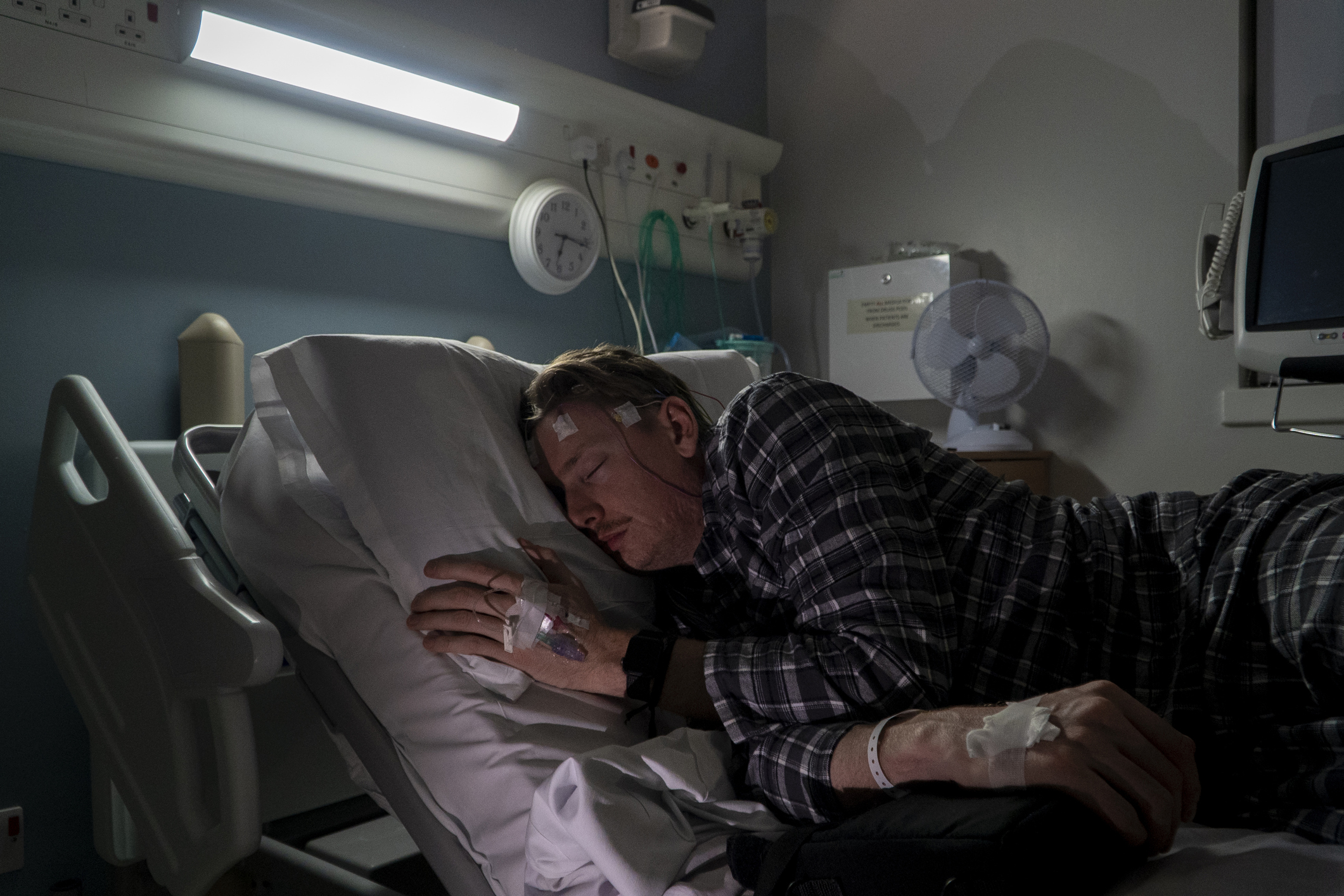
Photo Cred: Lukas/Pexels
By Carolina Brooks, BA, IFMCP
In my clinic, I often see complex patients with multiple underlying conditions and symptom clusters. These patients are often presenting with underlying chronic infections and other concerns. Primary issues include mast cell activation, postural orthostatic tachycardia (POTS), and Ehlers-Danlos Syndrome (EDS).These patients are also often suffering with chronic fatigue, widespread symptoms of dysautonomia such as bloating, nausea, constipation, difficulty swallowing, and severe brain fog. They often complain of severe premenstrual symptoms (PMS), depression, obsessive-compulsive disorder, and severe anxiety.
Frequently, these patients, who, in my clinic, have been predominantly women, have been told these symptoms are psychogenic, and have been offered low dose amitriptyline to address pain and antidepressants to support their mood, and are then sent on their way.
A 2016 paper in Proceedings of the National Academy of Sciences of the United States of America discussed the metabolic signature that distinguishes chronic fatigue sufferers from healthy individuals, including marked genetic differences. This ties in with the theory of the cell danger response, as described in a 2014 article in Mitochondrion, whereby our mitochondria undergo an evolutionarily conserved, adaptive, hypometabolic response when stressed and triggered by physical, biological, or chemical threats to protect the cells and host from harm, which is found to abnormally persist in many chronic diseases states and developmental, degenerative, autoimmune, and neuropsychiatric disorders. This state can potentially be induced by an infection, or by no obvious trauma at all.
In my research over the past few years, I stumbled across Sharon Meglathery, MD, and her RCCX theory of chronic illness, which ties in with cell danger response. RCCX refers to the genes which make up the cluster, as defined in a 2012 article in Genes and Immunity as including RP1 also known as serine/threonine kinase 19 (STK19), complement component 4 (C4), steroid 21-hydroxylase (CYP21A2) and tenascin-X (TNX).
The RCCX theory, which affects approximately fifteen to twenty percent of the population, considers that variations in a common genetic complex located on the major histocompatibility complex (MHC) region on chromosome six affects four genes, significantly alters cell danger signaling, and negatively impacts stress response, as well as contributing to disease susceptibility, innate immune response, electrolyte and fluid balance, extracellular matrix activity, hormone levels and regulation, and synaptic and dendritic pruning in the brain. These patients are often susceptible to toxic mold and suffering with chronic viral issues such as Epstein-Barr, or bacterial infections such as Lyme and co-infections. Detoxification pathways are often impaired, and environmental toxins, such as metals and pesticides can compound the problem as those with the RCCX cluster are more sensitive to environmental inputs.
Multiple family members are often affected, and as such my intake form encompasses detailed questions to assess RCCX comorbidities and questions about family history. I am often treating parents or siblings from the same families. These cases provide the biggest clues in allowing me to understand which patients are likely presenting with the RCCX gene cluster. From a psychological perspective, these patients, in my clinical experience, tend to be highly sensitive, empathetic, prone to anxiety, and creative.
Aside from correcting nutritional deficiencies and enhancing nutrient absorption, treatment strategies I have found extremely helpful for this subset of patients include anti-histaminic and detoxification support for the liver, kidneys and lymphatic system, including quercetin, luteolin, tulsi, lavender, nettle, dandelion, cleavers, coleus, and broadleaf plantain. Adaptogenic herbs and mushrooms are useful in order to regulate stress response, and I highly recommend manual lymphatic drainage and skin brushing where possible. Frequency specific microcurrent is my preferred treatment for vagal dysautonomia and injuries, which often occur due to hypermobility, and organ prolapse is common.
One patient came to my clinic for her first appointment nine months suffering with severe fatigue, significant digestive issues and nutritional deficiencies, poor blood sugar regulation, terrible sleep, anxiety and depression, severe PMS, joint and muscle pain, frequent episodes of tachycardia with a diagnosis of POTS, and a further diagnosis of EDS. She presented with pelvic adhesions and post-partum uterine prolapse and had been diagnosed with post-traumatic stress disorder (PTSD) after the traumatic birth of her son. Her health started to deteriorate during her teens after a traumatic family event.
We worked together and cleaned up her diet, supported nutrient assimilation with digestive and liver support, and introduced polysaccharides and collagen to support the extracellular matrix. She immediately started weekly combined ear acupuncture and frequency specific microcurrent sessions, which worked well alongside her pelvic physiotherapy, and we focused on the need to implement stress management strategies daily to support vagal tone and downregulate the stress response. We also used herbal and medicinal mushroom support, including reishi, shatavari, Siberian ginseng, ashwagandha, and calming herbs such as passionflower and California poppy. I also put together an endobiogenic essential oil blend to be used topically on painful areas of the body blended with a carrier oil to regulate the neuroendocrine response.
Within three months, her digestive symptoms had regulated, her appetite and blood sugar management had stabilized, and her mood had improved dramatically. During subsequent follow ups, PMS was no longer noticeable, sex was no longer painful, tachycardia and light headedness were a rarity, body pains had gone, and anxiety was much less extreme. During the novel coronavirus (COVID-19) pandemic, she saw some symptoms return as dietary choices deteriorated, but once these were back on track, we have started to see symptom regression once again.
References
Bánlaki, Z., Doleschall, M., Rajczy, K., Fust, G., and Szilágyi A (2012). Fine-tuned characterization of RCCX copy number variants and their relationship with extended MHC haplotypes. Genes and Immunology. Retrieved from: https://doi.org/10.1038/gene.2012.29
Naviaux, R.K. (2014) Metabolic features of the Cell Danger Response. Mitochondrion. Retrieved from: https://www.sciencedirect.com/science/article/pii/S1567724913002390
Naviaux, R.K., Naviaux, J.C., Li, K., Bright, A.T., Alaynick, W.A., Wang, L., Baxter, A., Nathan, N., Anderson, W., and Gordon, E. (2016). Metabolic features of chronic fatigue syndrome. Proceedings of the National Academy of Sciences of the United States of America. Retrieved from: https://doi.org/10.1073/pnas.1607571113
About the Author: CJ Weber

Also on Integrative Practitioner

Dental Danger: Signs of Sleep Breathing Disorders in children and Adults, Learn the Visual Clues
Non-Member Price: $30.00 Member Price: $18.00 – 40% Off for Members Only Add to Cart Presented by: Mark Breiner, DDS,...

Integrative and Comprehensive Approach to Inflammatory Bowel Disease
Non-Member Price: $30.00 Member Price: $18.00 – 40% Off for Members Only Add to Cart Presented by: Ronald Hoffman, MD,...

Measuring Biology vs. Symptomatology: The Fully Integrated Functional Wellness Program
Non-Member Price: $30.00 Member Price: $18.00 – 40% Off for Members Only Add to Cart Presented by: Dane Donohue, DC...

Change Your Genes, Change Your Life
Non-Member Price: $30.00 Member Price: $18.00 – 40% Off for Members Only Add to Cart Presented by: Kenneth Pelletier, PhD,...

Guided Imagery – Efficacious, Portable, Scalable, User-Friendly, Self-Administered
Non-Member Price: $30.00 Member Price: $18.00 – 40% Off for Members Only Add to Cart Presented by: Belleruth Naparstek, ACSW...