










Five Resources to Support Your Patients’ New Year’s Health Goals with Integrative Medicine
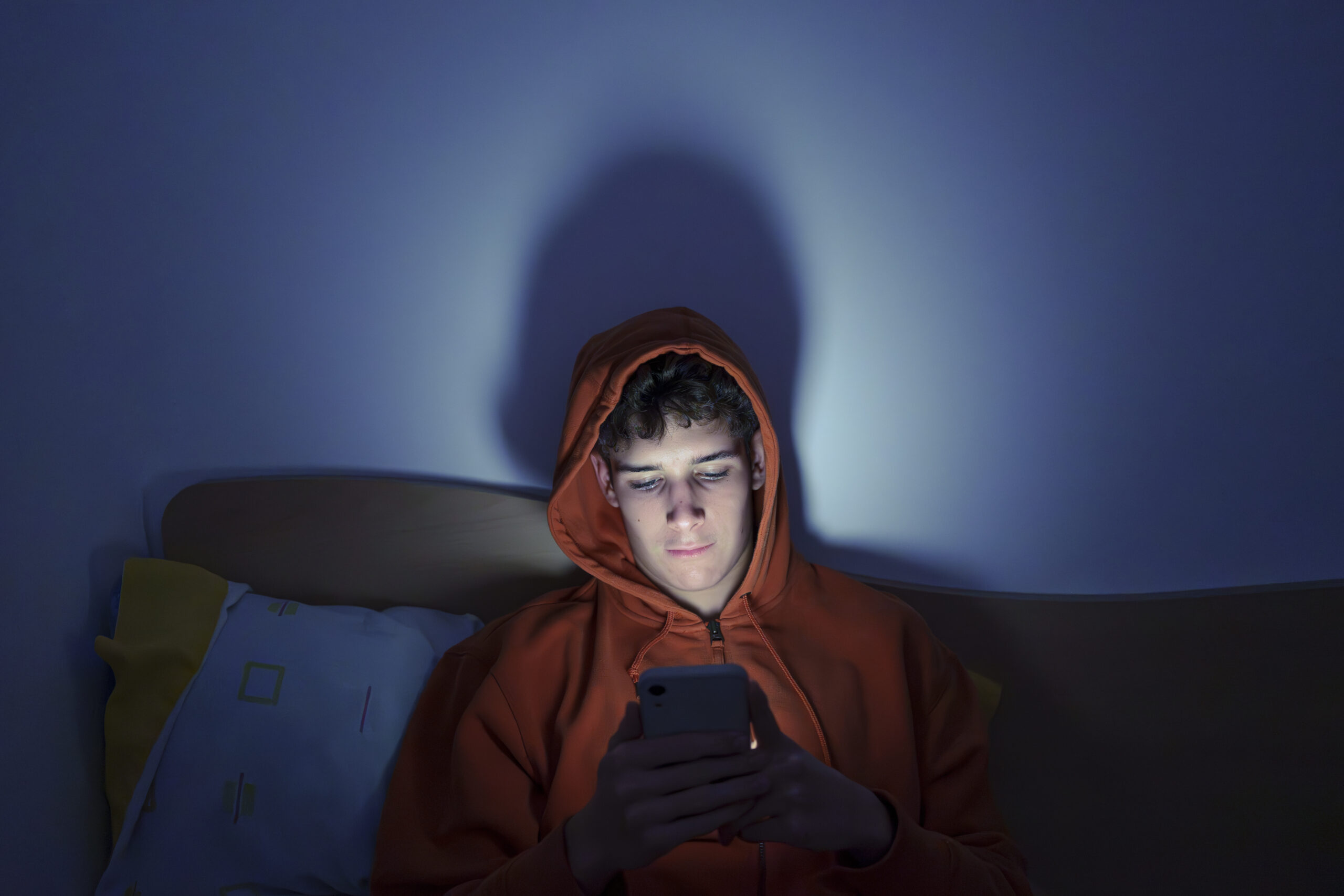
Photo Cred: Jo Panuwat D/Shutterstock
By Avery St. Onge
Many patients are motivated to change their lifestyles and improve their health at the beginning of the year. But, New Year’s resolutions are always easier said than done, and patients often get discouraged early in the process, ditching them altogether.
Resolutions are daunting; sticking to a lifestyle change for an entire year with no actionable short-term goals is nearly impossible. Studies have shown that the mere act of setting a goal, especially for someone else, is not a strong determinant of its success. Instead, factors that maximize goal progress are centered around the patient’s self-motivation and intended implementation strategy. In short, to accomplish long-term goals, patients need to want to change their lifestyle and have a well-thought-out plan on how to do it.
In this article, we’ve rounded up a list of resources on integrative interventions to help patients implement achievable and sustainable health goals in 2024.
Read more for tips on supporting weight loss, sleep, social media use, and stress management.
Making Lifestyle Recommendations Based on Fat Loss, Not Weight Loss with JJ Virgin
JJ Virgin, CNS, BCHN, EP-C, joins Integrative Practitioner Content Specialist Avery St. Onge to discuss why building skeletal muscle to increase insulin sensitivity, improve metabolic function, and support fat loss is more effective than the standard approach to weight loss.
For the full interview, click here.
Take-Home Tips for Addressing Healthy Eating with Your Patients
To help patients achieve their nutrition and health goals and empower them to feel their best, functional medicine health coach Christine Arnholt, NBC-HWC, FMCHC, provides ten take-home tips that simplify the basics of nutrition and encourage better food choices. In what she calls “Chris’s 10 Healthy Eating-Happy YOU Power Principles,” Arnholt lists:
1. Real Food. Eat a variety of good, quality, clean, mostly whole, unprocessed, organic. For more information on clean food and affordable options, reference the Environmental Working Group’s Dirty Dozen and Clean 15 foods.
2. Preferably Homemade. Homemade is good because you know what you’re eating; there are no “hidden” ingredients. If you do eat out, stick to the Power Principles as best possible.
3. Combos Matter. A strategic combination of quality macros (“PFCs”—proteins, fats, carbs) and micros (“MVPs”—minerals, vitamins, phytonutrients) support optimal digestion and satiety.
For more healthy eating tips, click here.
Practitioner Perspective: Sleep Strategies for Optimal Health and Wellness
A healthy diet, physical activity, and good mental health are all essential to promoting a healthy mind and body, but according to Shane Creado, MD, without quality sleep, it’s impossible to achieve optimal health outcomes.
In his new book, Peak Sleep Performance for Athletes, Creado, a board-certified psychiatrist and integrative sleep medicine physician, details his framework for helping athletes leverage sleep to optimize their sport performance. The framework includes a three-tiered pyramid that works to help patients avoid sleep disturbances, improve their sleep quality, and achieve their true potential. And while the book is geared towards athletes, Creado said his Pyramid of Peak Performance can be applied to any patient.
To learn more, click here.
Focusing on Circadian Rhythm to Optimize Patients’ Sleep Quality
Jay Olson, PhD, postdoctoral scholar in the Department of Psychology at McGill University in Montreal, Québec, Canada, researches a variety of subjects, among them sleep and smartphone use. In his latest study, published in the International Journal of Mental Health and Addiction, Olson tested the effects that ten simple interventions had on participants’ smartphone use, symptoms of depression, and quality of sleep.
According to Olson, practitioners can suggest these simple interventions to patients struggling with smartphone addiction and a lack of sleep. Olson and his team of researchers created a website where practitioners can direct patients, which includes a list of the ten interventions, starting with the most effective strategies.
For strategies on how to reduce screen time, click here.
Practical Use of Integrative Medicine for Fatigue and Stress from Trauma and Grief
“We cannot apply a wellness model to grief; we can’t just send them off with mindfulness tools, said Muller, an integrative endocrinologist affiliated with Veterans Administration Greater Los Angeles Healthcare Medical Center and UCLA Santa Monica Medical Center. “We need to show true compassion to sit with them in their pain and suffering.”
A whole health approach to stress and fatigue from trauma and grief focuses on the patient’s mission, aspiration, and purpose. What it doesn’t include, explained Muller, is a reliance on hormone testing and mindfulness tools like meditation and yoga, which is often seen within integrative medicine.
To read more, click here.
About the Author: CJ Weber

Also on Integrative Practitioner

Dental Danger: Signs of Sleep Breathing Disorders in children and Adults, Learn the Visual Clues
Non-Member Price: $30.00 Member Price: $18.00 – 40% Off for Members Only Add to Cart Presented by: Mark Breiner, DDS,...

Integrative and Comprehensive Approach to Inflammatory Bowel Disease
Non-Member Price: $30.00 Member Price: $18.00 – 40% Off for Members Only Add to Cart Presented by: Ronald Hoffman, MD,...

Measuring Biology vs. Symptomatology: The Fully Integrated Functional Wellness Program
Non-Member Price: $30.00 Member Price: $18.00 – 40% Off for Members Only Add to Cart Presented by: Dane Donohue, DC...

Change Your Genes, Change Your Life
Non-Member Price: $30.00 Member Price: $18.00 – 40% Off for Members Only Add to Cart Presented by: Kenneth Pelletier, PhD,...
Guided Imagery – Efficacious, Portable, Scalable, User-Friendly, Self-Administered
Non-Member Price: $30.00 Member Price: $18.00 – 40% Off for Members Only Add to Cart Presented by: Belleruth Naparstek, ACSW...