





Seven Resources on Treating Seasonal Affective Disorder with Integrative Medicine
Photo Cred: DREIDREIEINS Foto/Shutterstock
By Avery St. Onge
With winter quickly approaching, many parts of the country are beginning to experience colder, shorter days, prompting symptoms of seasonal affective disorder, or SAD, which impacts an estimated five percent of the population.
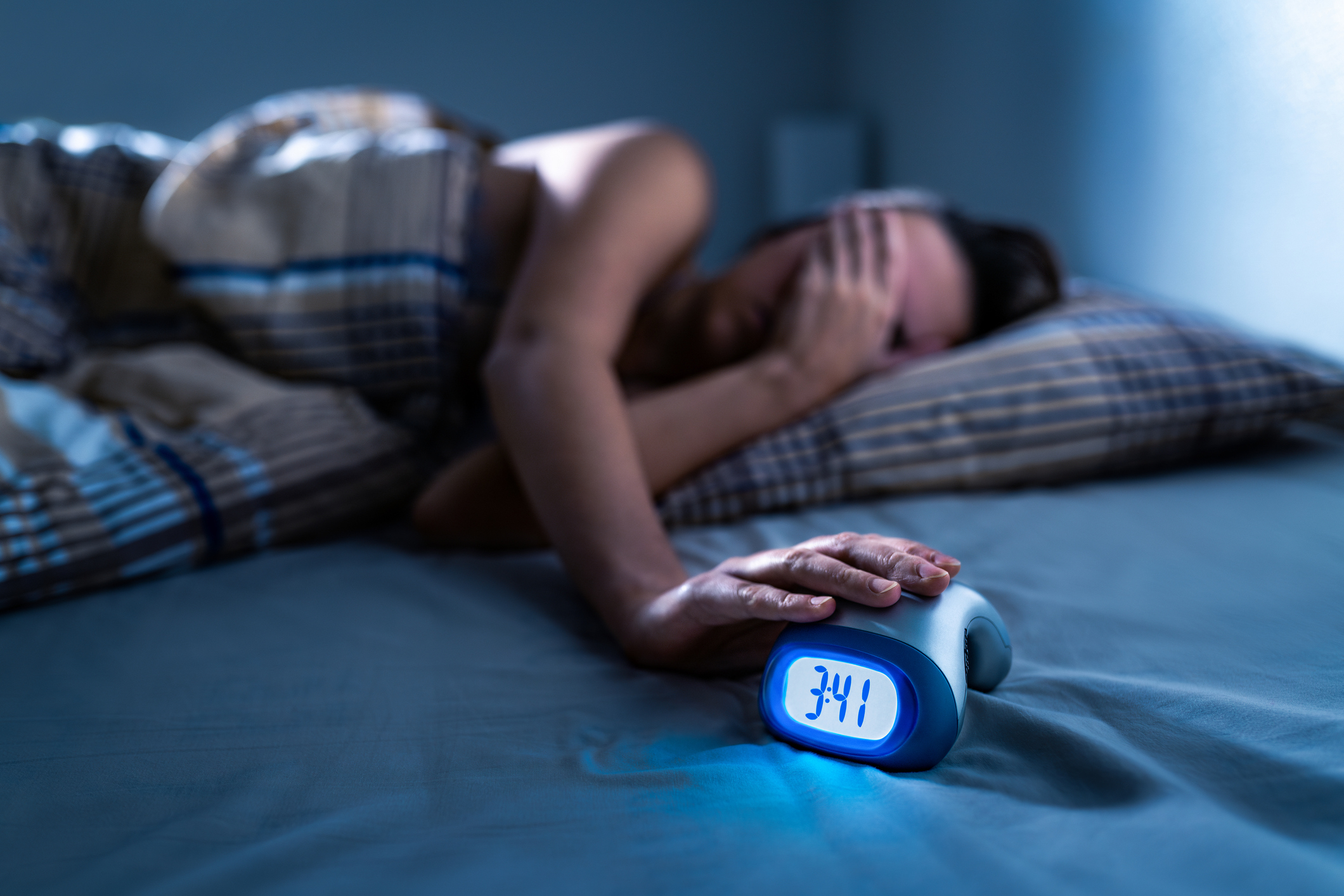
According to the American Psychiatric Association, patients with SAD commonly report feelings of sadness, changes in appetite and sleep, loss of energy, and difficulty concentrating. Conventional treatment of SAD often involves medication; however, there are several integrative, nonpharmaceutical interventions that have been shown to improve symptoms of SAD.
For this article we’ve rounded up a collection of resources on holistic treatment approaches to SAD, exploring the use of traditional medicine, nutritional interventions, light therapy, exercise, and probiotics.
Read more for information on how to help your patients struggling with SAD.
Approaching Depression and Anxiety with Traditional Medicines
Like many other healthcare providers, I’ve noticed a drastic uptick in the number of patients I’m treating with depression and anxiety as either their primary issue or as a main contributor to the other chief complaints they are experiencing. Of course, mental health is a chronic, year-round concern. But external factors such as a shift into the colder and darker seasons and increased pressures from work and school commonly results in an increase in depressive states paired with anxiety. Add in pandemic-related factors, and it’s easy to see why our patients are overwhelmed.
Though depression and anxiety are complex issues with a variety of possible causes, if sadness, grief, and issues with letting go are dominant expressions of the patient’s depression, I will first assess the Lungs and Large Intestines. 2020 and 2021 have brought about some major changes, causing many of the cases of depression that I have seen lately focused on dealing with loss.
In addition, in Traditional Chinese Medicine (TCM), the fall season is related to the Lungs and Large Intestines. When the trees drop their leaves and the soil prepares for winter, the principle of “letting go” becomes more dominant in our lives. As anyone who has experienced loss knows, letting go is one of the more difficult things to do. It can feel painful, even physically so, and it can trigger or amplify feelings of anxiety and depression.
Click here to read more.
Nutritional Considerations for Seasonal Affective Disorder
Of course, the therapeutic meal plan is personalized, but the Modified Mediterranean Diet (Mod/MedDiet) as studied in the SMILES trial is one option to consider. As described in Nutritional Neuroscience, the Mod/MedDiet contains plentiful vegetables, fruits, whole grain cereal, oily fish, legumes, unsalted nuts and seeds, and extra virgin olive oil. It allows for moderate consumption of natural reduced-fat dairy products and lean red meat. The results of the SMILES randomized controlled trial indicated this meal pattern, with the support of a registered dietitian, is one effective option for improving symptoms in those with major depression.
While the Mod/MedDiet significantly reduces sugar and inflammatory fats, these are two specific areas of focus when I educate patients with depressive symptoms. In a prospective study published in Scientific Reports, increased sugar intake raised the likelihood of mood disorders like depression. One possible mechanism involves the dysregulation of glucose in the brain leading to inflammation, but sugar is also known to negatively affect the gut microbiota. As reported in Nutrients, after treatment with high glucose and high fructose diets, mice showed lower microbial diversity, increased intestinal permeability, and higher levels of inflammatory cytokines.
Inevitably, when I suggest removing sugar, my patients ask about artificial sweeteners. However, artificial sweeteners have been shown to alter the gut microbiota as well. In addition, a variety of studies have shown an increase in glucose intolerance and altered microbial metabolic pathways increasing the risk of metabolic disease. I generally have patients avoid all added sugars, refined carbohydrates, and artificial sweeteners. As occasional sweeteners, I recommend organic honey and pure maple syrup.
Click here to read more.
Light Therapy More Effective Than Prozac in Patients with Major Depression
For years, full-spectrum light has been used as an effective treatment for seasonal affective disorder. This recent clinical trial adds to the growing body of evidence indicating that full-spectrum light can also be efficacious in nonseasonal forms of depression. These results are consistent with previous studies. A 2005 meta-analysis of randomized, controlled trials consistently found a significant reduction in depression symptom severity in both seasonal and nonseasonal disorders. In a 2013 randomized controlled trial, Baxendale et al found that bright light therapy significantly reduced symptoms of anxiety and depression in epileptic patients. Research also demonstrates that bright light therapy is safe despite previous reports of adverse effects. In rare cases, eye strain and blurred vision can occur.
Light boxes that are similar to those used in this clinical trial are easily available at a cost of $69 to $199. An alternative to light boxes is getting outdoors in the sunlight for 30 minutes a day. Standard light bulbs can also be replaced with full-spectrum light bulbs in areas of the home or office in which patients spend most of their time.
Light therapy should be considered as a first-line or adjuvant treatment in patients with nonseasonal major depression. This is significant as these cases of depression can be difficult to treat, and pharmaceutical drugs can produce significant side effects.
Click here to read more.
A Multifaceted Approach to Treating Seasonal Depression
Wintertime SAD is linked to biochemical changes caused by reduced exposure to sunlight, changes that can throw off the body’s circadian rhythm, or biological clock, according to the American Psychiatric Association (APA).
The farther one lives from the equator, the APA says, the more likely it is that one will have SAD. Complicating the picture is that colder weather keeps more people indoors, further limiting their exposure to the sun.
“It’s not the cold, it’s not the winter per se, it’s the reduction of the amount of daylight,” said Mark Frye, MD, a psychiatrist at the Mayo Clinic in Rochester, Minnesota.
Professionals in whole-body health advocate a multi-pronged approach to combating SAD, the idea being that multiple remedies can work better in concert.
“We’re complex beings. There’s no one thing that’s going to fix everything, right?” said Michelle Simon, ND, PhD, the president and chief executive officer at the Institute for Natural Medicine (INM) in Seattle, Washington. “And everything is interrelated, so you have to assess the whole person to effect a cure.”
Here’s a look at some of the remedies for wintertime SAD prescribed by Simon and others who work in integrative medicine.
Click here to read more.
Probiotics Relieve Depression
Depressive symptoms decreased in all participants. These general improvements are likely due to the antidepressant treatments that they all received.
There was a significantly greater improvement in the subjects taking probiotics than in the placebo group. In addition, the composition of their intestinal flora changed, at least temporarily: In the probiotic group, an analysis of stool samples revealed an increase in lactic acid bacteria at the end of treatment, and the amount of this increase correlated with the degree of reduction in depressive symptoms.
Alpha-diversity measures showed no significant changes over time, neither in the probiotics group nor in the placebo. However, when investigators compared the 2 study groups at postintervention and follow-up, the probiotic group maintained diversity while the placebo group’s diversity was reduced in inversed Simpson, Pielou’s evenness, and Shannon index but not in observed richness.
Taking the probiotic did increase the presence of the genus Lactobacillus present in the intervention group. This increase in abundance of Lactobacillus showed an inverse association with the HAM-D and BDI scores of the participants. In contrast, Lactobacilli counts also showed a significant positive association with the GSRS, suggesting greater levels of gastric discomfort from taking high-dose probiotics. However, the GSRS decreased over time, suggesting that as the Lactobacillus population increased, gastric distress symptoms decreased.
Taking probiotics changed brain activity on fMRI. When patients are shown images of neutral or fearful faces, there is a discernable difference in depressed patients on fMRI. Probiotic treatment of the depressed people in this study normalized their scan results.
Click here to read more.
Prescription: Nature
Exposure to the natural world is increasingly recognized as a mechanism for health promotion, disease prevention, and even disease treatment. Contact with nature has been shown to positively affect biomarkers of allostatic load (ie, heart rate, blood pressure, heart rate variability, and salivary cortisol); measures of brain activity (ie, electroencephalogram [EEG], functional magnetic resonance imaging [fMRI]); and mental well-being, vitality, and quality of life. Presence and use of natural “green spaces” is associated with lower rates of mortality, cardiovascular disease, type 2 diabetes, obesity, depression, and anxiety. The health benefits of natural spaces are truly holistic and extend beyond physical and mental/emotional benefits to include enhancement of social, spiritual,14 and even environmental health.
This is especially pertinent in an era of simultaneous, epidemic levels of chronic disease, increasingly indoor and sedentary lifestyles, growing social isolation, and ecological destruction. Data support the theory of biologist EO Wilson’s “biophilia hypothesis” that human affinity for the natural world is an intrinsic adaptation resulting from millions of years of co-evolutionary exposure with our surrounding environments. The dearth of contact with the natural world in modern society has been suggested to contribute to a variety of chronic physical and mental/emotional conditions known colloquially as “nature deficit disorder.” Recent events like the global Covid-19 pandemic have demonstrated how essential contact with nature is and how opportunities to access local green spaces benefit individuals’ and community’s physical, mental, and social health.
Click here to read more.
Help Patients Cope with Seasonal Affective Disorder and Stress
Symptoms associated with SAD include depression, anxiety, mood changes, sleep problems, lethargy, and overeating. But what causes these things to occur? The reduced level of sunlight in the fall and winter months may affect an individual’s serotonin, a neurotransmitter that affects mood, according to a 2010 report by Dr. Darren Cottrell, a Locum Consultant at St. James Hospital in Portsmouth, England. Lower levels of serotonin have been shown to be linked to depression. Brain scans have shown that people who had seasonal depression in the winter had higher levels of a serotonin transporter protein that removed serotonin than in individuals who did not have seasonal depression, the report says.
In addition, melatonin, a sleep-related hormone secreted by the pineal gland in the brain, has been linked to seasonal depression, says a 2013 report by Stuart L. Kurlansik and Annamarie D. Lbay in the Indian Journal of Clinical Practice. This hormone, which can affect sleep patterns and mood, is produced at increased levels in the dark. Therefore, when the days are shorter and darker the production of this hormone increases. Melatonin can also affect an individual’s circadian rhythm, or “biological clock”, resulting in ‘internal clocks’ being out of sync with ‘external clocks’, or the usual sleep and wake rhythms. This can result in some of the symptoms associated with seasonal depression.
To treat seasonal depression, take a holistic approach to helping patients work through mental health issues, according to a recent release by the Tao Institute of Modern Wellness. Phototherapy or bright light therapy has been shown to suppress the brain’s secretion of melatonin. Light therapy has been shown to be effective in up to 85 percent of diagnosed cases. Patients remain in light up to ten times the intensity of normal domestic lighting up to four hours a day, but may carry on normal activities such as eating or reading while undergoing treatment. The device most often used today is a bank of white fluorescent lights on a metal reflector and shield with a plastic screen. Cognitive behavioral therapy (CBT) has also been shown to be effective.
Click here to read more.
About the Author: CJ Weber

Also on Integrative Practitioner

Dental Danger: Signs of Sleep Breathing Disorders in children and Adults, Learn the Visual Clues
Non-Member Price: $30.00 Member Price: $18.00 – 40% Off for Members Only Add to Cart Presented by: Mark Breiner, DDS,...

Integrative and Comprehensive Approach to Inflammatory Bowel Disease
Non-Member Price: $30.00 Member Price: $18.00 – 40% Off for Members Only Add to Cart Presented by: Ronald Hoffman, MD,...

Measuring Biology vs. Symptomatology: The Fully Integrated Functional Wellness Program
Non-Member Price: $30.00 Member Price: $18.00 – 40% Off for Members Only Add to Cart Presented by: Dane Donohue, DC...

Change Your Genes, Change Your Life
Non-Member Price: $30.00 Member Price: $18.00 – 40% Off for Members Only Add to Cart Presented by: Kenneth Pelletier, PhD,...
Guided Imagery – Efficacious, Portable, Scalable, User-Friendly, Self-Administered
Non-Member Price: $30.00 Member Price: $18.00 – 40% Off for Members Only Add to Cart Presented by: Belleruth Naparstek, ACSW...