







Coping with social isolation for practitioners and patients
Photo Cred: Peter Secan/Unsplash
By Carolina Brooks, BA, IFMCP
The novel coronavirus (COVID-19) has affected many people differently. Most of my practitioner colleagues have transitioned their practices to online, but those who do manual therapies are unable to see their clients. Many are relying on government support to survive while their business is shut down and they are unable to work.
Social isolation affects all demographics indiscriminately, and those affected may be hard to identify. My elderly patients have felt the stress of isolation particularly deeply, especially those who are in toxic relationships with their partners and rely on visits from their children and grandchildren, and those experiencing anxiety around their underlying chronic health conditions, troubled by how seriously the virus might affect them if they were to catch it.
On the other hand, I had to reiterate the need to stay at home to one of my patients, who poignantly told me that he did not want to give up his bi-weekly visit to the local supermarket as, aside from his appointments with me, it was the only social interaction he had since his brother had died.
Fear of contagion is shifting our normal responses to day to day activities. COVID-19 is having a significant and detrimental effect on our collective mental health. It has dominated the news in the last two weeks, and we are being bombarded with grim footage, death tolls, and horrifying statistics. Many of my patients are struggling to sleep, or are feeling depressed.
A 1994 paper in Clinical Microbiology Reviews looked at stress being a driver in the reactivation of viral activity, and the mediation of stressors by the hypothalamic-pituitary-adrenal (HPA) axis and sympathetic nervous system. A 2013 review in the Proceedings of the National Academy of Sciences reported disruptions in sleep-wake cycles and sleep perturbations, reduced sleep quality, and increased sedentariness.
One of the key pieces of advice I and many of my colleagues are giving to our patients, and implementing ourselves, is to sleep and wake at regular times to establish proper circadian rhythm and light exposure, maintain regular exercise, make time for self-care rituals, and focus on activities to maintain our connections with other people, particularly those who we have not seen or spoken to in a while,
As practitioners, we know how to look after ourselves, but we often do not get the luxury of time, particularly for those who have the added challenge of home-schooling, sharing a cramped workspace at home, or trying to keep a business afloat in the current, unstable economic climate. It’s crucial to establish routine at home to encourage some level of stability, share household responsibilities, and try to follow the same sleep wake schedules to maintain social cohesion. Designating different areas of the house for work, activities, and relaxation also helps.
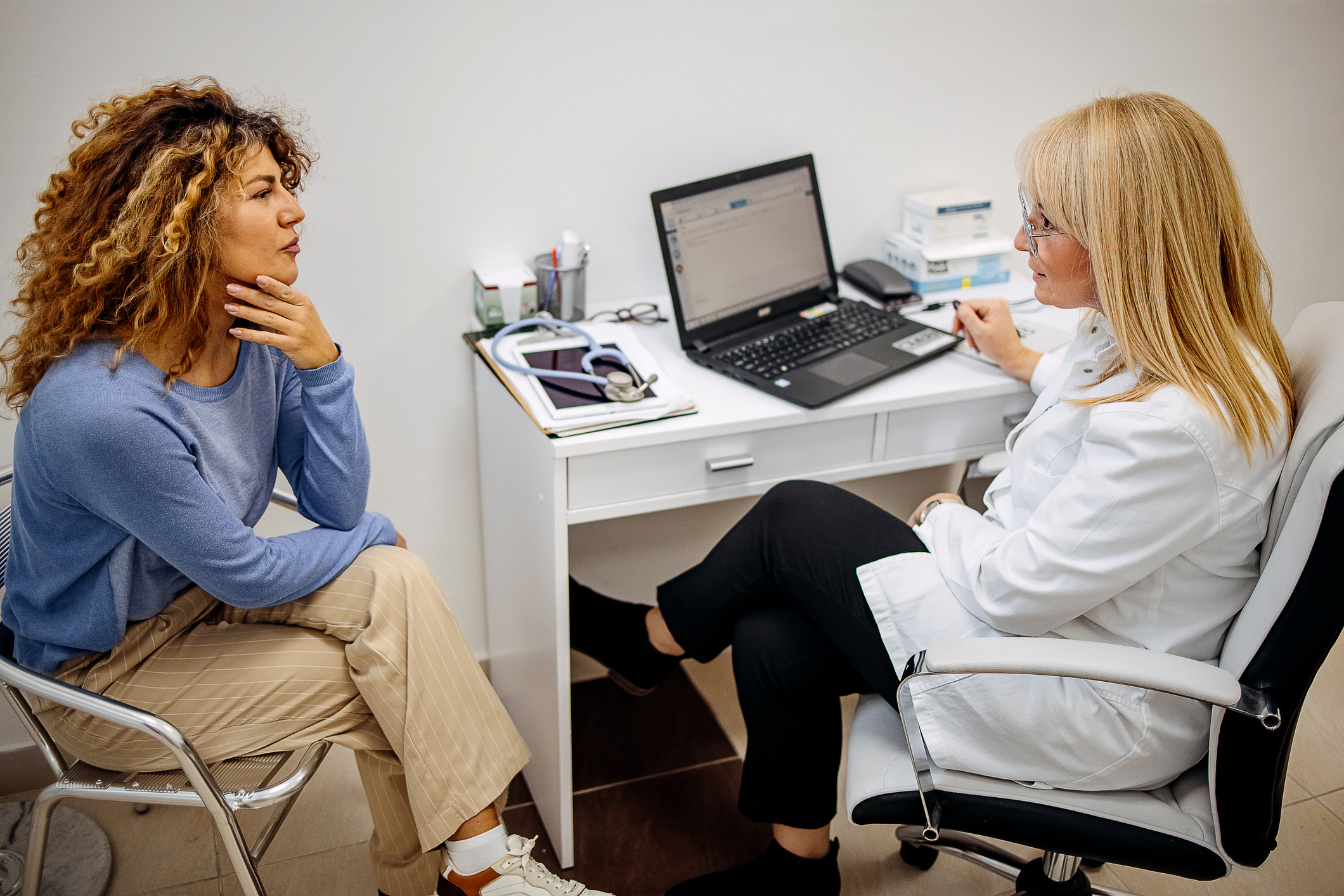
A 2013 paper in the American Journal of Public Health confirmed that social isolation is as much a predictor of mortality as evident clinical risk factors such as obesity, hypercholesterolemia, and cigarette use. Aside from ensuring I am speaking to my vulnerable patients regularly, who are already able to manage video calls, I have involved their family members in their video appointments to ensure they are playing a role in their care, that the patient has access to nutritious food, supplements, and that they have liaised with their primary care providers to ensure they are receiving repeat prescriptions for medications in the post.
My biggest worry is for my patients with addiction issues who were coming in for regular ear acupuncture appointments or attending regular group meetings. Although meetings are available online via video conferencing, a few of my patients have complained that online meetings are not the same, that there is a lack of physical connection, or it’s harder for conversation to develop organically if microphones are muted.
Some patients have found social isolation to be hugely beneficial for them at their current stage of treatment because they are removed from triggering environments and are surrounded by their support network. However, I fear we will start to see addiction transfer, compounded by lack of routine, boredom, and loneliness, from one compulsive behavior to another, and these are the patients we need to spot and ensure are supported appropriately, by encouraging commitment, fellowship, meaningful connection, and friendship to establish healthy coping mechanisms during these challenging, unprecedented times.
References
Basner M, Dinges DF, Mollicone D, Ecker A, Jones CW, Hyder EC, Di Antonio A, Savelev I, Kan K, Goed N, Morukov BV, Sutton JP. (2013) Proceedings of the National Academy of Sciences of the United States of America. February 12, 2013 110 (7) 2635-2640 Retrieved from: https://www.pnas.org/content/110/7/2635
Pantell M, Rehkopf D, Jutte D, Syme SL, Balmes J, Adler N (2013). Social Isolation: A Predictor of Mortality Comparable to Traditional Clinical Risk Factors. American journal of Public Health. 103(11)/, 2056–2062. Retrieved from: https://doi.org/10.2105/AJPH.2013.301261
Sheridan JF, Dobbs C, Brown D, Zwilling B (1994) Psychoneuroimmunology: Stress Effects on Pathogenesis and Immunity during Infection. Clinical Microbiology Reviews. April 1994, p. 200-212. Retrieved from: https://cmr.asm.org/content/7/2/200.full.pdf
About the Author: CJ Weber

Also on Integrative Practitioner

Dental Danger: Signs of Sleep Breathing Disorders in children and Adults, Learn the Visual Clues
Non-Member Price: $30.00 Member Price: $18.00 – 40% Off for Members Only Add to Cart Presented by: Mark Breiner, DDS,...

Integrative and Comprehensive Approach to Inflammatory Bowel Disease
Non-Member Price: $30.00 Member Price: $18.00 – 40% Off for Members Only Add to Cart Presented by: Ronald Hoffman, MD,...

Measuring Biology vs. Symptomatology: The Fully Integrated Functional Wellness Program
Non-Member Price: $30.00 Member Price: $18.00 – 40% Off for Members Only Add to Cart Presented by: Dane Donohue, DC...

Change Your Genes, Change Your Life
Non-Member Price: $30.00 Member Price: $18.00 – 40% Off for Members Only Add to Cart Presented by: Kenneth Pelletier, PhD,...
Guided Imagery – Efficacious, Portable, Scalable, User-Friendly, Self-Administered
Non-Member Price: $30.00 Member Price: $18.00 – 40% Off for Members Only Add to Cart Presented by: Belleruth Naparstek, ACSW...