










New guidelines recommend personalized exercise for cancer patients
By Katherine Shagoury Exercise guidelines for cancer patients have historically recommended patients take it slow, but a new position statement suggests a personalized exercise program including high-intensity workouts will achieve...
Read More
Sugar on Fire: A Functional Medicine Approach to Reversing Diabetes/Cardiometabolic Syndrome
Webinar Overview: Overview of cardiometabolic syndrome with a focusing on reversing metabolic disorders by optimizing nutrition, detoxification and hormone balance. Assess and address mitochondrial dysfunction that has a key role...
Read MoreNerve stimulation therapy potential treatment for common stroke
By Katherine Shagoury A new nerve stimulation therapy to increase blood flow could help patients with the most common type of stroke up to 24 hours after onset, according to...
Read MoreStudy sheds light on mutation involved in autism, schizophrenia
By Katherine Shagoury A close look at the rapidly developing zebrafish embryo is helping neuroscientists better understand the potential underpinnings of brain disorders, including autism and schizophrenia, according to a...
Read More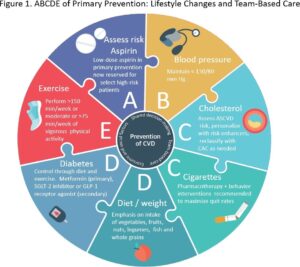
Primary Cardiovascular Prevention through the lens of integrative medicine
By Regina Druz Atherosclerotic cardiovascular disease (ASCVD) remains the leading cause of mortality and morbidity in the U.S. and worldwide. Considering that lifestyle efforts may prevent over 80 percent of...
Read MoreGenetic switch may control conversion of “good fat” to “bad fat”
By Katherine Shagoury There are different types of fat cells, both good and bad, and TLE3, a genetic switch that stops the conversion of white fat into thermogenic varieties, could...
Read MoreLifestyle, education inequality effect heart disease
By Katherine Shagoury Lifestyle factors, such as weight, blood pressure, and smoking, explain around 40 percent of the protective effect of education on heart disease risk in later life, according...
Read MoreTreating autoimmune-related diseases with proper diet
By Katherine Shagoury Rheumatic diseases are chronic and greatly influenced by an individual’s lifestyle, said Yehuda Shoenfeld, MD, FRCP (hon.), MaAC at the 2019 Integrative Healthcare Symposium in New York...
Read More