





Easing pregnancy symptoms with Traditional Chinese Medicine
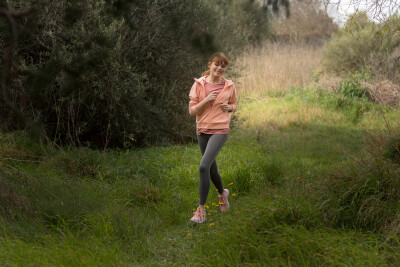
Photo Cred: Camylla Battani/Unsplash
By Melissa Carr, BSc, DrTCM
Pregnancy brings with it many emotions and body changes. At the same time, the safety of the growing fetus is a top priority, so some pregnant women prefer to avoid pharmaceutical treatments. However, even when considering natural alternatives, healthcare providers must be mindful of therapies that can risk miscarriage.
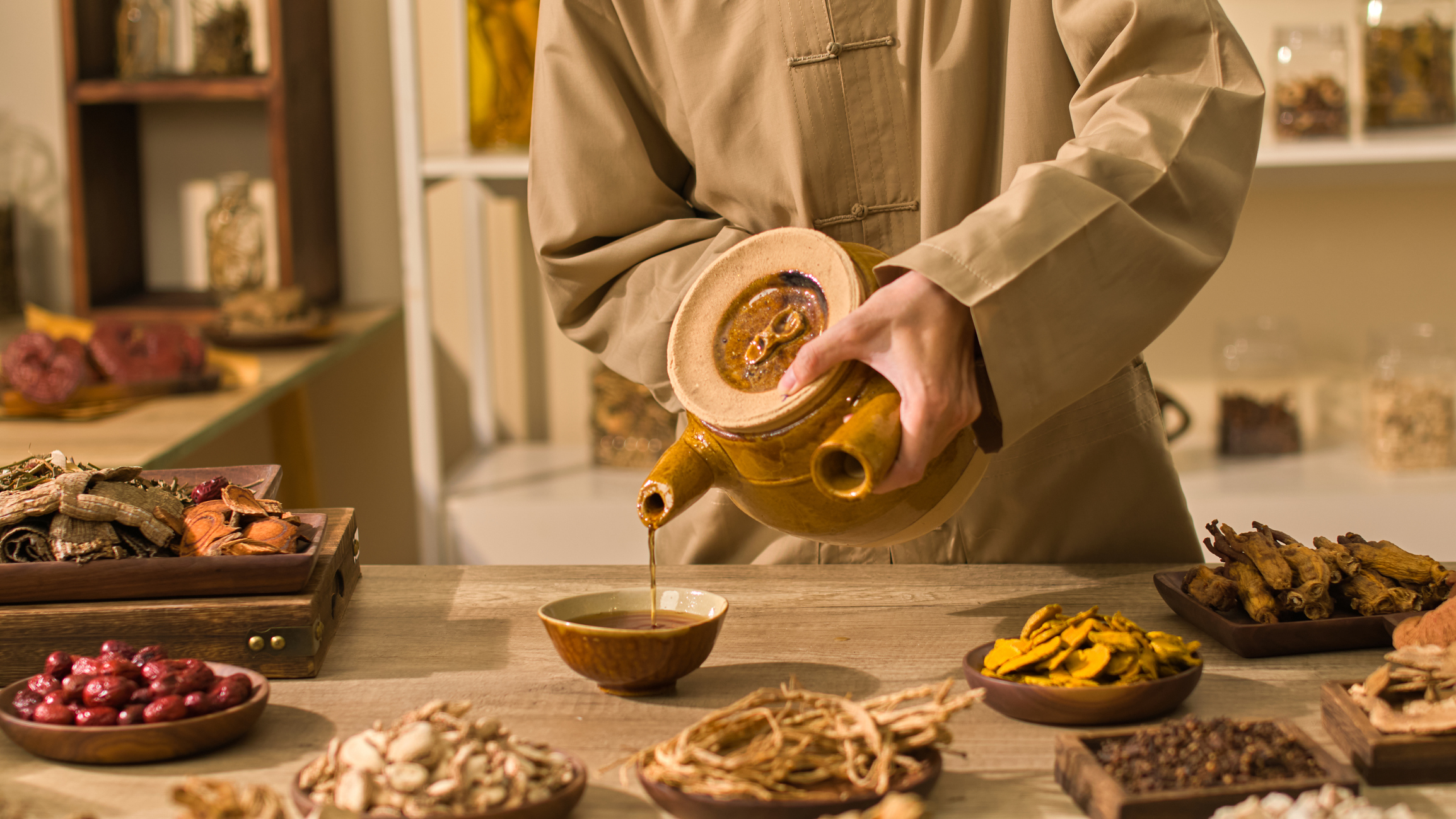
Traditional Chinese Medicine practitioners have been treating pregnancy symptoms for thousands of years, so the medical modality’s use is well-established. One of the benefits of acupuncture treatment is that it doesn’t interact with medications, supplements, or food and is unlikely to result in an allergic reaction or other adverse effect. Additionally, Chinese herbal remedies can be customized to the individual, allowing for a safe and effective selection of ingredients.
Safety First
Miscarriage is a common concern, and because the cause can be tough to determine, practitioners must first make sure they are comfortable with treating pregnant women and fully discuss potential risks with their patients. TCM therapies have been used safely for centuries. There are, however, some considerations practitioners must be aware of.
During acupuncture training, we are taught to avoid needling or applying acupressure to the points LI4 (Hegu), SP6 (Sanyinjiao), BL60 (Kunlun), and GB21 (Jianjing) for pregnant women because these points are said to stimulate uterine contraction and may induce miscarriage. There is not evidence that this is true, with a study reviewing 15 clinical trials and a total of 823 subjects in control studies, observational studies of 5,885 pregnant women needled at these “forbidden” points, and laboratory studies on pregnant rats. On the flip side, these points are often used to assist in labor.
Other areas where needling must be done carefully on pregnant women include points over the abdomen, pelvis, and lower back. Deep needling is contraindicated where there is risk of hitting a blood vessel, organ, or other structure that may have been moved or is larger because of the growing fetus.
Cautions must also be given when prescribing herbal remedies. Strong Blood movers may be contraindicated, particularly during the first trimester. For example, while Western practitioners often advise against the use of the Chinese herb dang gui (dong quai or Angelica sinesis) during pregnancy because of its ability to stimulate the smooth muscle of the uterus, it is one of the most employed herbs by TCM practitioners. Dang gui is almost always combined with other herbs and is prescribed only for those women whose symptoms and constitution indicate its use. This might include the TCM diagnosis of Blood deficiency or stagnation and symptoms such as dizziness, fatigue, pallor, and pain.
Morning Sickness
One of the most common early pregnancy symptoms, morning sickness can be anything from a mild irritant to a severe impairment. Nausea and vomiting, in TCM, is said to be caused by the Stomach energy going up when it should always move downward.
The most recognized acupuncture point for nausea is PC6 (Neiguan), found three finger widths up from the palmar side wrist crease, between the tendons of the palmaris longus and the flexor carpi radialis, the two tendons that pop up when a fist is made. This point is conveniently located for self-acupressure and for wearing “sea bands” or motion sickness bands.
Other suitable acupuncture points that can help include ST36 (Zusanli), BL21 (Weishu), and KI21 (Youmen). Treatment should be based on a proper assessment and include points suited to the patient’s constitution.
Ginger is widely recognized for treating nausea and TCM practitioners often recommend it to be included in food or tea format. Other commonly used herbs for nausea during pregnancy include perilla leaf (zi su ye), tangerine peel (chen pi), cardamom (sha ren), and bamboo shavings (zhu ru). It’s especially important to attain a proper diagnosis before prescribing herbs to pregnant women.
Back Pain
With a growing fetus, a woman’s body must adapt to a lot of changes, including a gain and redistribution of weight. The increasing challenges put to the muscles of the back can result in pain and discomfort. Acupuncture, acupressure, cupping, and light massage are physical therapies that can be used to bring relief.
While practitioners must employ caution when doing acupuncture of the lumbosacral area of a pregnant woman, pregnancy is usually well-established by the time back pain becomes an issue, so miscarriage risk is lowered. Nevertheless, careful attention should still be employed for both depth and intensity of stimulation of the needles. I usually have my patients lie on one side with a pillow between their knees, but with the appropriate cushions, some women feel comfortable lying face down.
BL23 (Shenshu) is a point often selected to ease low back pain and it can also help support a healthy pregnancy. Because the “shu” points along the back are used to support their related organ systems, in addition to treating local pain, BL20 (Pishu) might be chosen if there is loss of appetite or cravings for sweets or digestive upset, BL21 (Weishu) is included if there is nausea or belching, BL25 (Dachangshu) is added for constipation or other bowel issues, and BL28 (Pangguangshu) is used for frequent urination.
BL40 (Weizhong) is called the “command point” of the lower back, so it is one of the most selected low back points. KI3 (Taixi) can address low back pain while also treating frequent urination, fatigue, and ankle swelling related to Kidney Qi deficiency.
Case Study
I recently had a patient who did not believe she was pregnant when I inquired after her sudden departure from and return to my clinic room. I felt her pulse, which was typical of a pregnancy pulse—strong, slippery, and slightly rapid. While the pulse wasn’t diagnostic on its own, paired with her apparent morning sickness and recent fatigue, I advised her to get tested. Sure enough, she was pregnant.
This pregnancy was unexpected because she had a history of unexplained infertility. She also had a poor appetite, bloating, mild abdominal cramping relieved by bowel movements, and loose stools, along with a long-standing history of fatigue, low back pain, frequent urination, and a tendency to feel cold. Her diagnosis was Spleen and Kidney Yang deficiency and Stomach Qi Uprising.
For her acupuncture treatments, I selected six to eight points at a time from PC6, ST36, SP9, SP4, LIV3, KI3, KI21, BL20, BL21, and BL23. I also prescribed Xiang Sha Yang Wei Tang, which includes the anti-nausea herbs sheng jiang (raw ginger), sha ren, chen pi, and bai dou kou. I also added gan jiang (dried ginger) and yi zhi ren to warm the Spleen and Kidneys and address the nausea, as well as du zhong and tu si zi to support the Kidneys and “calm the fetus” to reduce the risk of miscarriage.
I asked her to wear nausea bands over PC6 and consume ginger tea, congee (rice porridge), and soups and stews that are easily digested.
After three acupuncture sessions in that first week, her vomiting stopped. We continued with weekly sessions for another month, at which time her nausea was gone. We then dropped to biweekly or once monthly sessions to help her stabilize her pregnancy until she gave birth to a healthy child.
References
Belluomini, J., Litt, R.C., (1994) Acupressure for nausea and vomiting of pregnancy: a randomized, blinded study. Obstetrics and Gynecology. Retrieved from: https://europepmc.org/article/med/8041539
Carr, D. (2015. The safety of obstetric acupuncture: forbidden points revisited. Acupuncture Medicine. Retrieved from: https://pubmed.ncbi.nlm.nih.gov/26362792/
Rad, M.N., Lamyian, M. (2012) A randomized clinical trial of the efficacy of KID21 point (Youmen) acupressure on nausea and vomiting of pregnancy. Iranian Red Crescent Medical Journal. Retrieved from: https://www.ncbi.nlm.nih.gov/pmc/articles/PMC3560537/
Tara, F., Bahrami-Taghanaki, H. (2020) The effect of acupressure on the severity of nausea, vomiting, and retching in pregnant women: A randomized controlled trial. Complementary Medicine Research. Retrieved from: https://www.karger.com/Article/Abstract/505637
About the Author: CJ Weber

Also on Integrative Practitioner

Dental Danger: Signs of Sleep Breathing Disorders in children and Adults, Learn the Visual Clues
Non-Member Price: $30.00 Member Price: $18.00 – 40% Off for Members Only Add to Cart Presented by: Mark Breiner, DDS,...

Integrative and Comprehensive Approach to Inflammatory Bowel Disease
Non-Member Price: $30.00 Member Price: $18.00 – 40% Off for Members Only Add to Cart Presented by: Ronald Hoffman, MD,...

Measuring Biology vs. Symptomatology: The Fully Integrated Functional Wellness Program
Non-Member Price: $30.00 Member Price: $18.00 – 40% Off for Members Only Add to Cart Presented by: Dane Donohue, DC...

Change Your Genes, Change Your Life
Non-Member Price: $30.00 Member Price: $18.00 – 40% Off for Members Only Add to Cart Presented by: Kenneth Pelletier, PhD,...

Guided Imagery – Efficacious, Portable, Scalable, User-Friendly, Self-Administered
Non-Member Price: $30.00 Member Price: $18.00 – 40% Off for Members Only Add to Cart Presented by: Belleruth Naparstek, ACSW...