


Lifestyle tips for boosting the immune system naturally
Photo Cred: Miguel Á. Padriñán/Pexels
By Melissa Carr, BSc, DrTCM
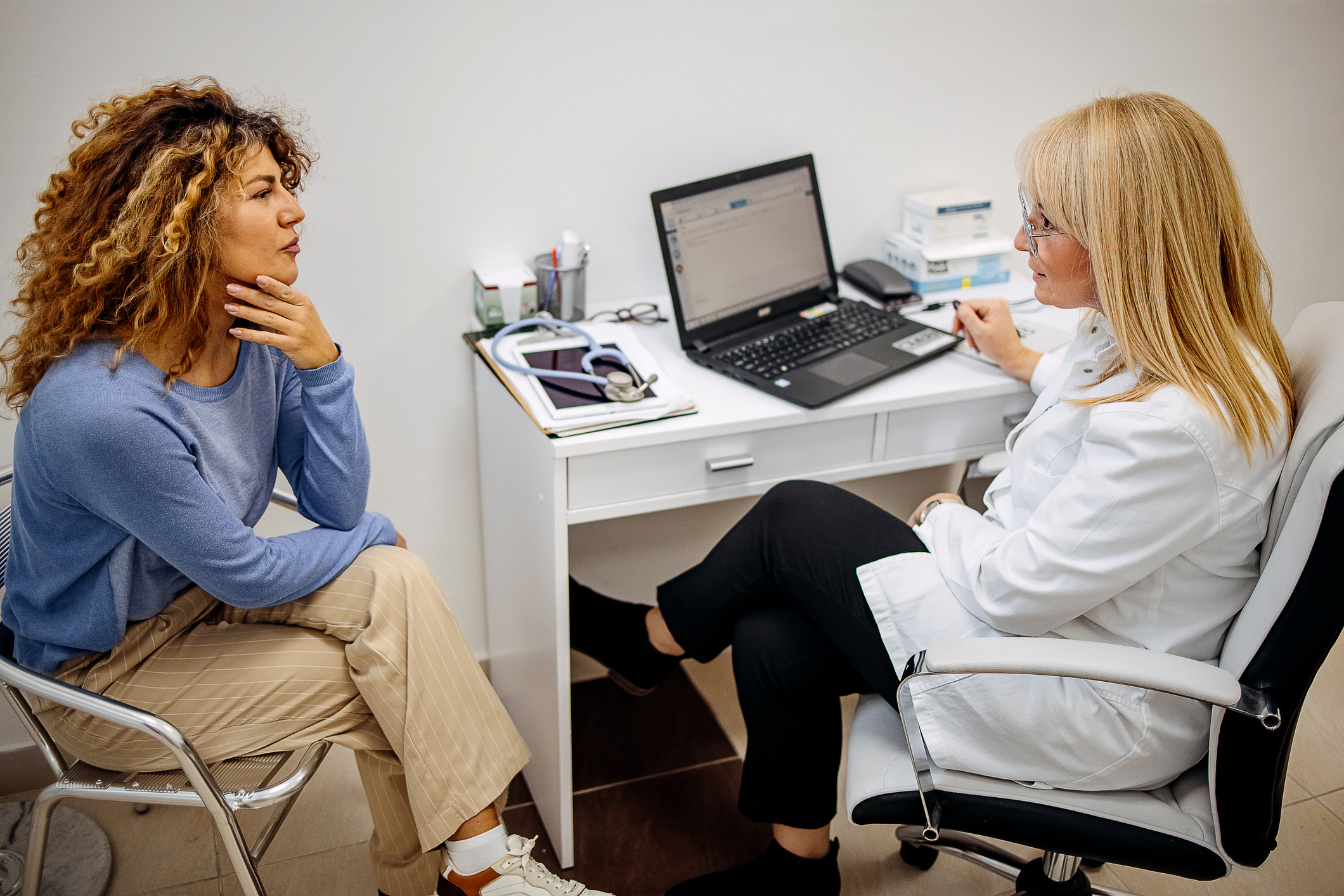
For healthcare workers, catching a regular cold used to be a relatively small inconvenience, it is now much more disruptive. A practitioner would need to get tested for the novel coronavirus (COVID-19) and wait until the test results are returned. Then, even if the test comes back negative, the question of whether you can still return to work remains.
In the past, presenteeism—going to work despite a medical illness that prevents the worker from functioning fully—has been recognized as a public health hazard. Despite this, according to a survey of healthcare workers in the United States during the 2014 and 2015 influenza season, more than 40 percent worked while experiencing an influenza-like illness. Today, with the higher risks associated with potentially compromising patients, clients, and colleagues, practitioners really cannot afford to get sick.
Thankfully, we are all equipped with an immune system, so what can we do to enhance its effectiveness? Get back to the health basics.
Get Enough Rest
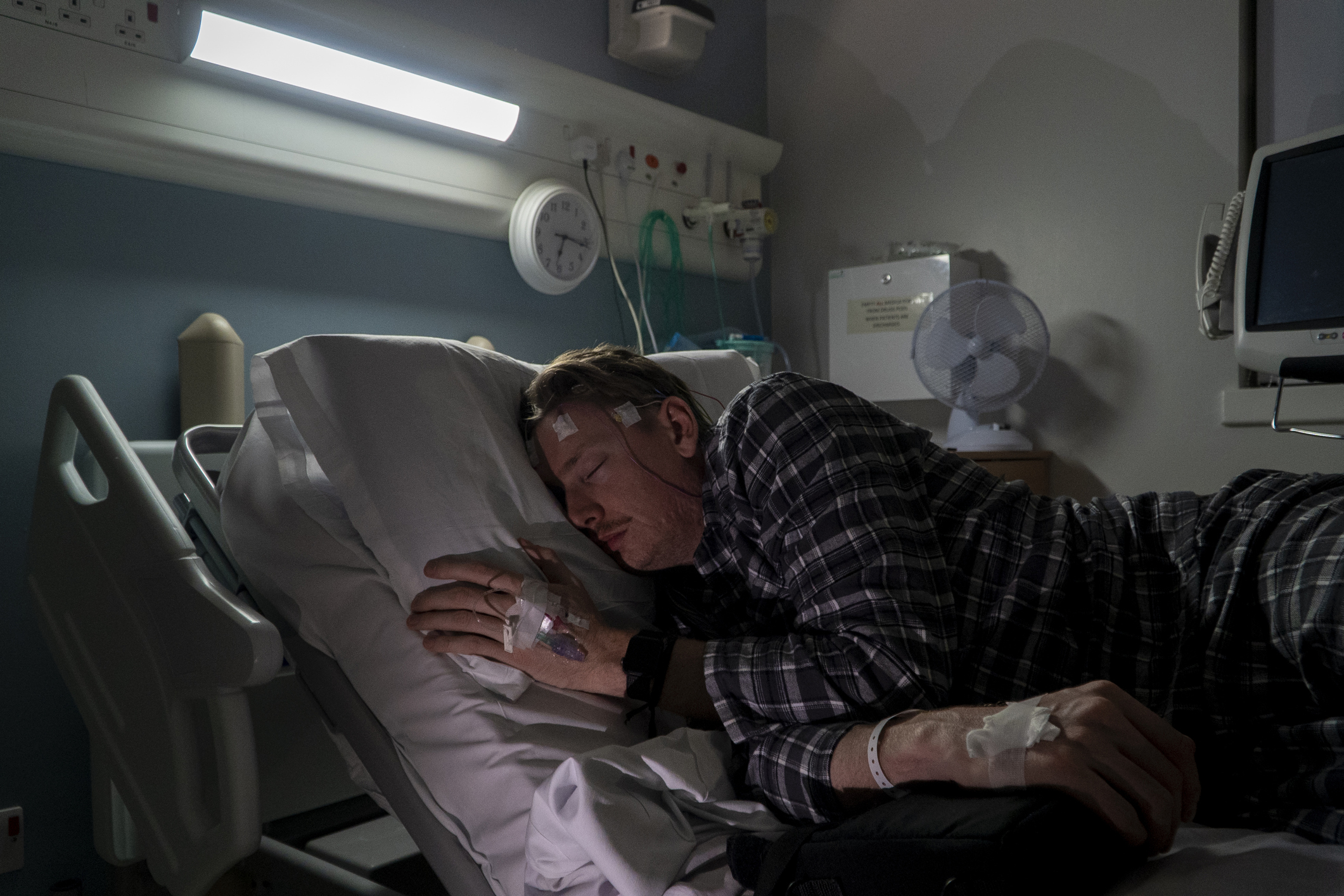
While busy schedules may make this seem a near impossible task, getting enough sleep is essential. Insufficient sleep can weaken the immune system, increasing the likelihood of contracting an illness when exposed and slowing recovery once sick.
If the reason for lack of slumber is time-related, it’s important to keep in mind that sleep is a priority to productivity and the ability to work safely, as well as to good health. Turn off distractions and go to bed earlier, even if this requires overhauling routines and obligations. Some people may need more than eight hours of sleep if they are fighting an illness, highly stressed, or have been sleep-deprived. If a person suffers from insomnia, sleep apnea, or some other sleep disorder, get it checked out and addressed.
Getting better sleep may be as easy as making the bedroom darker and the correct temperature, removing electronics, stopping all backlit devices a few hours before bedtime, wearing earplugs at night, or creating a winddown routine.
Consider trying common herbal remedies like valerian, passionflower, hops, lavender, tryptophan, or melatonin. If you’ve tried something and it didn’t work, consider another combination, being mindful of personal allergies, sensitivities, or possible interactions with medications. It’s also important to recognize that remedies may not work instantaneously. Changing the body’s rhythms can take time, so take the remedies regularly for at least a week until a new pattern is established. However, for most individuals, these remedies are not meant to be taken forever
Get Nutrients
Everyone knows about the benefits of vitamin C for the immune system, and most think of citrus fruits when wanting to top up. Other foods rich in vitamin C include tomato, red and green peppers, broccoli, Brussels sprouts, kale, cauliflower, strawberry, kiwi fruit, cantaloupe, guava, papaya, and mango.
It should come as no surprise that a variety of whole foods provide the other nutrients needed. Oyster, pumpkin seeds, flaxseeds, hemp seeds, cashews, pine nuts, lentils, chickpeas, beans, whole grains, dairy, meat, and eggs are rich in zinc. Vitamin A and beta-carotene are readily found in fish, liver, fortified cereals, carrot, squash, sweet potato, spinach, kale, apricot, and cantaloupe.
On the other hand, foods that can weaken the immune system include those that are processed, refined, and full of sugar. Excess alcohol consumption also increases the likelihood of getting sick and for acute respiratory stress syndrome (ARDS), one of the most serious possible impacts of COVID-19.
Get Moving
Exercise helps enhance innate immunity and may help flush bacteria and viruses out of the lungs and air passages and prevent pathogens from growing because of the rise in body temperature during and shortly after exercise. It also reduces stress that otherwise weakens the immune system.
Lack of physical activity and sedentarism is an issue that has been increasingly problematic and has further accelerated since COVID-19 and its associated restrictions, so we may need to get creative with new ways to get active. These might include online fitness and yoga classes, going for longer walks, setting up a home gym, or even having a one-person dance party.
What has carried my husband and I through this year are bike rides, online yoga classes, at-home workouts with a mat and a door frame pull-up bar, and virtual reality headset workouts.
On the other hand, excess exercise can create a stress response, weakening the immune response, so moderate and consistent exercise is generally what’s recommended, rather than the weekend warrior type of activities.
Additional Immune Boosters
Even if a person gets enough sleep, eats healthfully, and exercises regularly, they may still need some immune help, so supplements can come in handy.
Since mushrooms do not use photosynthesis, they are part of an entirely different kingdom known as fungi, which are closer to the animal kingdom than to the plant kingdom. Rich in polysaccharides like betaglucans, several species of mushrooms have been highlighted for their ability to support a healthy immune system. Reishi, chaga, turkey’s tail, and maitake are some of the most recognized and studied fungi to either control an overactive immune response or boost a stronger reaction when facing invasion. These magnificent mushrooms can be found in combinations or on their own, in capsule, tincture, tablet, and powder formats. They are also a part of a growing trend of functional foods, being included in hot chocolates, coffees, smoothie mixes, and other food products.
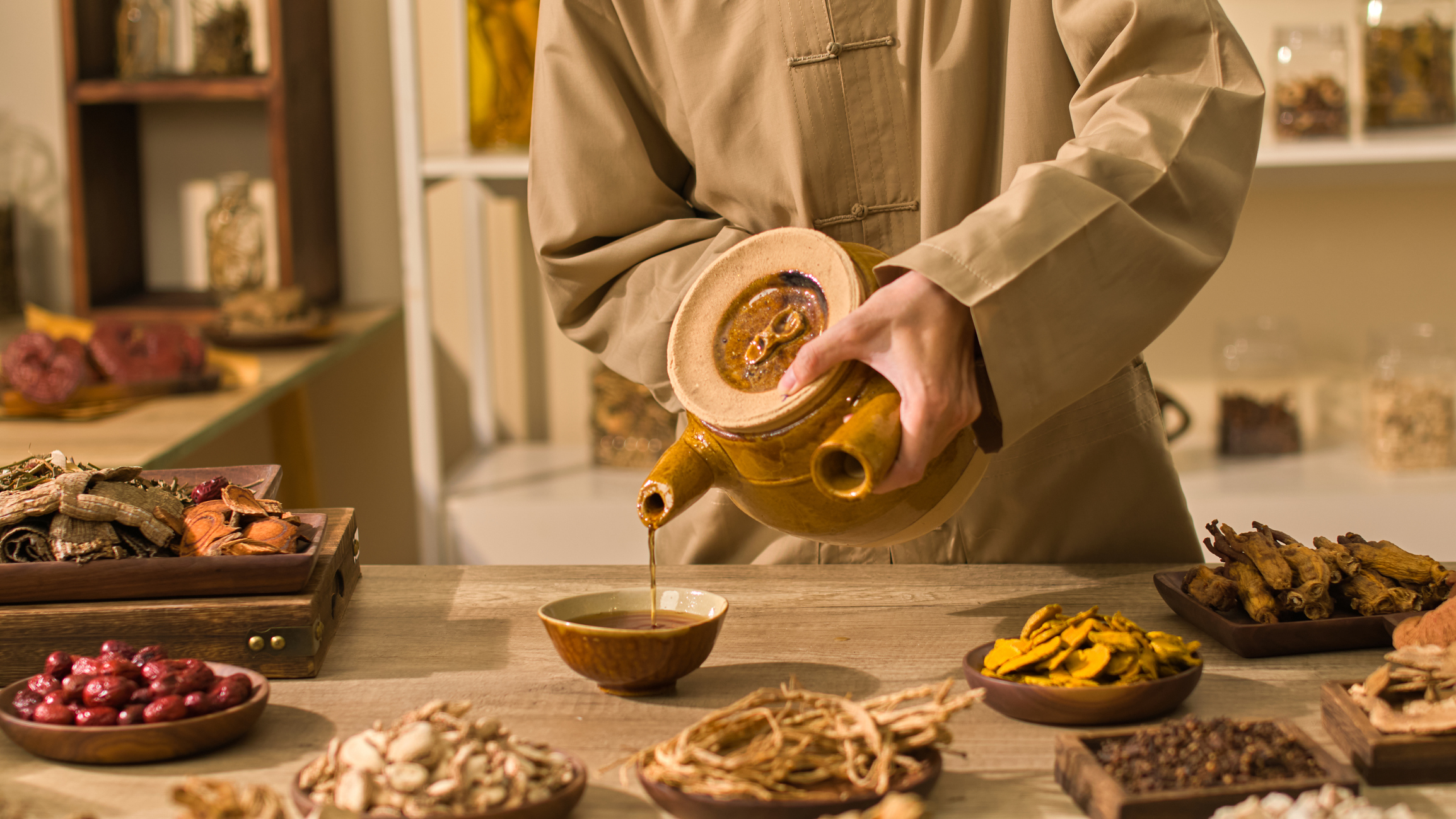
Traditional Chinese Medicine (TCM) predates arrival of vaccines and antibiotic and antiviral medications by thousands of years the, so it’s not surprising that there are many herbs and formulas to fend off pathogenic attacks and recover from infection. While TCM’s medicines are meant to be selected and customized based on the individual, there are some general remedies to consider.
Yu Ping Feng San, translated as “Jade Windscreen Powder,” contains three herbs, huang qi, bai zhu, and fang feng. Huang qi, or astragalus, has antibacterial, antiviral, anti-inflammatory, and antioxidant effects, and is a staple herb in TCM. I generally don’t recommend this formula once a person has a cold, though, switching then to something that will help address the particulars of the cold or flu at hand.
At that point, lian qiao, chuan xin lian (Andrographis), ban lan gen, and huang qin or formulas like Gan Mao Ling or Yin Qiao San are a few examples of the medicinal herbs known to have antiviral or antibacterial effects.
While there is no question that we will be facing off with viruses and bacteria forever, supporting a healthy immune system with a few healthy foundation steps and some well-selected remedies can help patients and practitioners become better able to defend and recover.
References
Besedovsy, L., Lange, T., Born, J. (2017). Sleep and immune function. European Journal of Physiology. Retrieved from: https://link.springer.com/article/10.1007/s00424-011-1044-0
Chiu, S., Black, C. Yue, X. (2017). Working with influenza-like illness: Presenteeism among US health care personnel during the 2014-2015 influenza season. American Journal of Infection Control. Retrieved from: https://www.ajicjournal.org/article/S0196-6553(17)30300-0/fulltext
Ranasinghe, C. (2020). Exercise and well-being during COVID-19-time to boost your immunity. Expert Review of Anti-infective Therapy. Retrieved from: https://www.tandfonline.com/doi/full/10.1080/14787210.2020.1794818
Sarkar, D., Jung, K., Wang, J. (2015). Alcohol and the Immune System. Alcohol Res. Retrieved from: https://www.ncbi.nlm.nih.gov/pmc/articles/PMC4590612/
Xu, J., Zhang, Y. (2020). Traditional Chinese Medicine treatment of COVID-19. Complement. Ther. Clin. Pract. Retrieved from: https://www.ncbi.nlm.nih.gov/pmc/articles/PMC7118627/
Widera, E., Change, A., Chen, H. (2010). Presenteeism: A Public Health Hazard. J. Gen. Intern. Med. Retrieved from: https://www.ncbi.nlm.nih.gov/pmc/articles/PMC2947637/
Editor’s note: This article was originally published on December 22, 2020.
About the Author: CJ Weber

Also on Integrative Practitioner

Dental Danger: Signs of Sleep Breathing Disorders in children and Adults, Learn the Visual Clues
Non-Member Price: $30.00 Member Price: $18.00 – 40% Off for Members Only Add to Cart Presented by: Mark Breiner, DDS,...

Integrative and Comprehensive Approach to Inflammatory Bowel Disease
Non-Member Price: $30.00 Member Price: $18.00 – 40% Off for Members Only Add to Cart Presented by: Ronald Hoffman, MD,...

Measuring Biology vs. Symptomatology: The Fully Integrated Functional Wellness Program
Non-Member Price: $30.00 Member Price: $18.00 – 40% Off for Members Only Add to Cart Presented by: Dane Donohue, DC...

Change Your Genes, Change Your Life
Non-Member Price: $30.00 Member Price: $18.00 – 40% Off for Members Only Add to Cart Presented by: Kenneth Pelletier, PhD,...
Guided Imagery – Efficacious, Portable, Scalable, User-Friendly, Self-Administered
Non-Member Price: $30.00 Member Price: $18.00 – 40% Off for Members Only Add to Cart Presented by: Belleruth Naparstek, ACSW...