



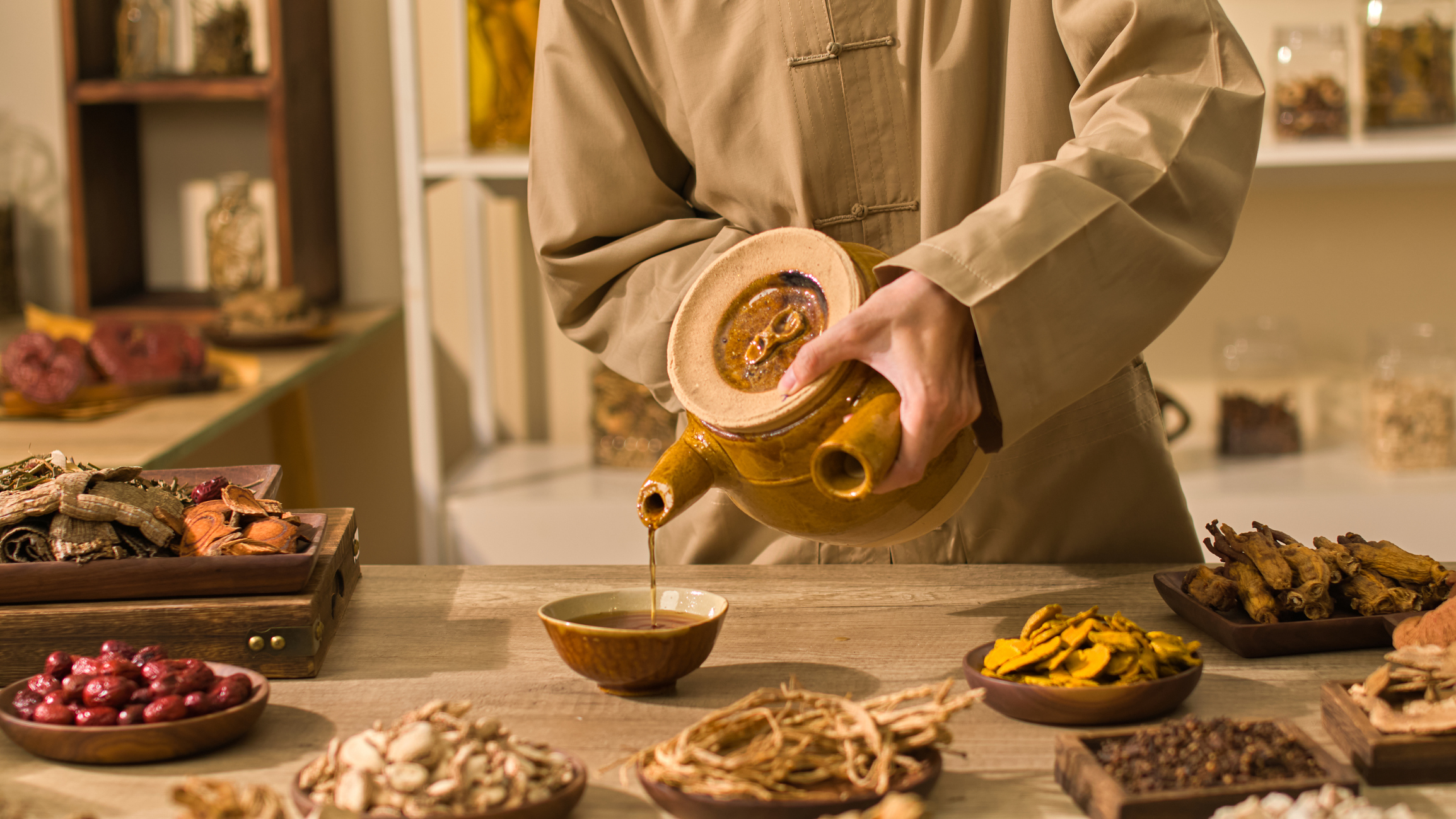


How Traditional Chinese Medicine “sees” stress fractures
Photo Cred: Buenosia Carol/Pexels
By Melissa Carr, BSc, DrTCM
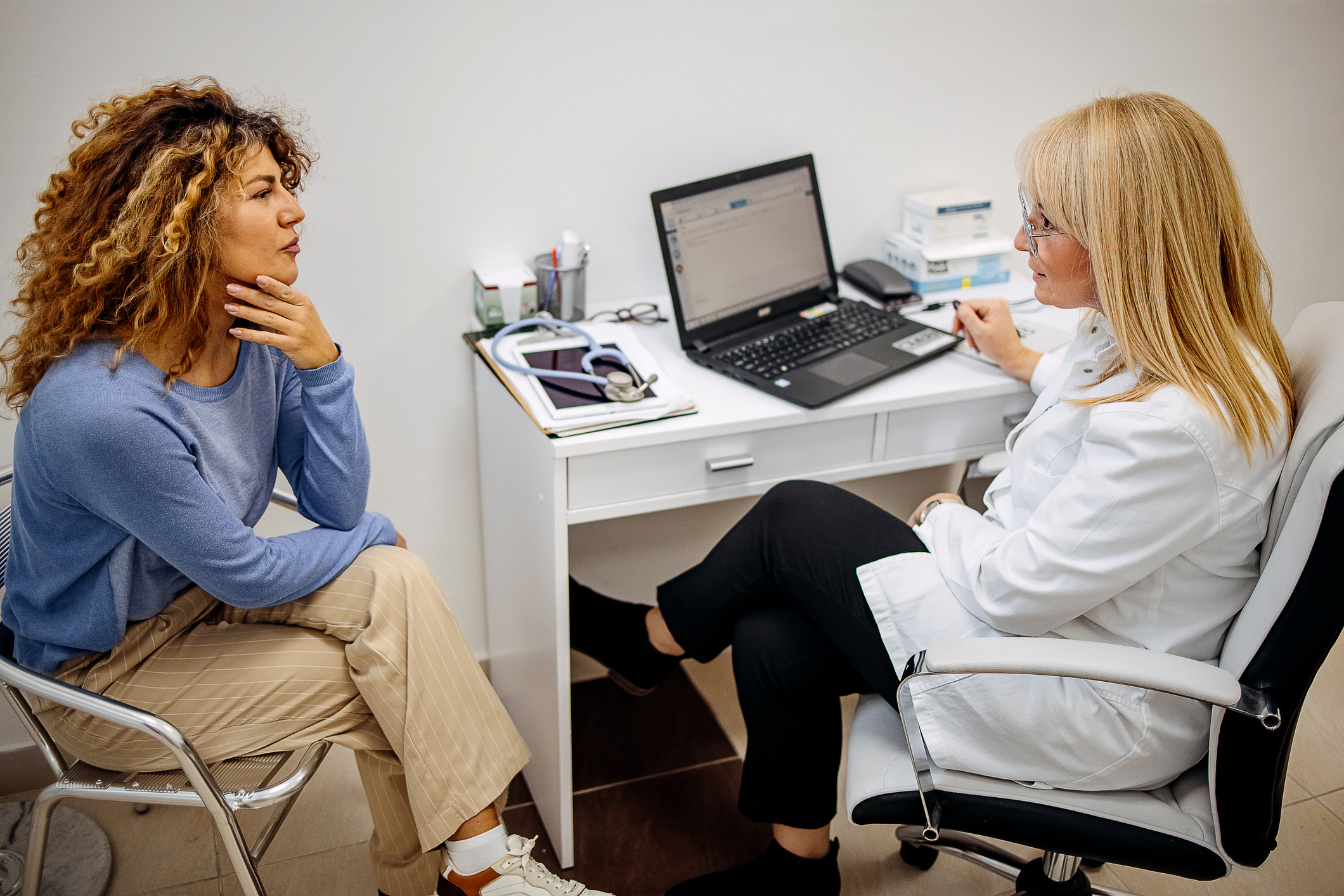
I recently had a patient come into the office limping slightly and complaining of foot pain. She couldn’t recall any incident that initiated the pain, but said she started noticing discomfort about three weeks prior. Since her gym had closed due to the novel coronavirus (COVID-19), she had taken to running outdoors, but she hadn’t run outdoors or on pavement in years.
When the pain started a month into outdoor running, she said it felt like a slight nagging sensation that would begin about 30 minutes in and force her to stop shortly thereafter. Over time, she had to stop running altogether and took to walking instead. However, the foot pain continued to worsen. She felt unable to seek medical attention and couldn’t stay off her feet entirely as she needed to be active enough to take care of her children.
X-rays didn’t exist for centuries of Traditional Chinese Medicine (TCM) development and practice. But people have been breaking bones for as long as we’ve existed, so how did TCM assess and treat fractures for all those years?
Along with acupuncture, herbal medicine, nutritional therapy, and Qi Gong, “bone setting” was part of one of the five traditional branches of TCM therapy. It is still included in some Tui Na Chinese massage school studies, and some attribute it as the foundational basis for chiropractic and osteopathic medicine. Bone setting is no longer generally taught to set fractured bones, instead normally consisting of joint manipulations, though there are some bone setters remaining who can properly set fractured bones using just their hands and tuned-in, skilled ability to feel.
For the rest of us, however, we recommend patients get imaging for suspected fractures, and we treat them to speed up healing after their bones are set. In addition, many TCM practitioners have successfully treated both diagnosed and unacknowledged stress fractures. When a patient describes focal worsening pain in a lower limb that subsides with rest and seems connected to a repetitive weight-bearing activity, especially in women and in older adults, “stress fracture” comes to mind. So, too, do the TCM Kidneys.
TCM associates bones with the TCM Kidney system, and Kidney deficiency can contribute to a greater risk of weak bones and increased likelihood of fracture. Other symptoms include a chronically weak or sore low back or legs, issues with the ears or hearing, urinary problems, reproductive organ or sex hormone imbalances, dental symptoms, adrenal stress, and fatigue.
Practitioners need to do further differentiation to determine which aspect of the Kidney system—Qi, Yin, Yang, or Jing—is affected, and whether other systems are also involved. For example, Kidney Qi deficiency may contribute to shortness of breath and frequent urination; Kidney Yang deficiency has signs of feeling cold and may cause soft stools or edema; Kidney Yin deficiency has signs of dryness and possibly heat, and might also result in constipation; and Kidney Jing deficiency may be a constitutional weakness causing issues with growth and development or may be the result of a decline associated with aging, thus resulting in a lowered libido, impotence, and memory problems.
We now know that the physical kidneys play an important role in the maintenance of healthy bones by turning vitamin D into its active form calcitrol and working with the parathyroid glands to regulate calcium and phosphorous levels.
Additionally, Qi stagnation is always present when there is pain. If the pain is stabbing, fixed, or sharp, there is likely Blood stagnation that should be addressed as well.
TCM Treatments of Stress Fractures
Acupuncture
One of the most direct ways TCM practitioners could choose to treat stress fractures is to do acupuncture around the affected tissue. Called “surround the dragon,” it is one of the oldest acupuncture techniques. Doing this increases local circulation, helping deliver oxygen, nutrients, white blood cells, and growth factors, while drawing out waste products.
Kidney points are often chosen to strengthen the underlying Kidney deficiency that lead to weakness of the bone. There are 27 Kidney points to choose from, but common ones include KI3 (Taixi) and the Xi Cleft point of the Kidney meridian, KI5 (Shuiquan).
To address the tissues specifically, TCM has “Command” points, including the bone marrow point GB39 (Xuanzhong) and tendon and ligament point GB34 (Lingquan). If there is swelling, SP9 (Yinlingquan) is commonly employed.
Chinese Herbs
There are many Chinese herbal formulas touted to heal bones and other tissue injuries, particularly in the martial arts world, but according to TCM, herbs should always be selected based on the individual’s TCM diagnosis.
Some common herbs that might be included are herbs from the Blood-movers category, ru xiang (frankincense), mo yao (myrrh), dang gui (angelica), and dan shen (salvia root). Chuan lian zi (Sichuan pagoda tree fruit) is often combined with yan hu suo (corydalis rhizome) to move Qi and Blood and act as analgesics that can also support the healing activity.
The now well-known turmeric root has long been used in TCM. Known as yu jin (turmeric tuber) and jiang huang (turmeric rhizome), they are both classified as herbs that move invigorate the Blood, and they are selected for many of the same reasons we recognize them as beneficial today, including to address inflammation and relieve pain.
Because the root cause of bone weakness should also be addressed, Kidney tonics are often selected. In addition to being a Blood mover, niu xi (achyranthes root; “ox knee”) is also used to strengthen the Kidneys and Liver, fortifying the bones and the sinews.
Gu sui bu (drynaria rhizome; “mender of shattered bones”) and xu duan (Japanese teasel root; “restore what is broken”) are both Kidney Yang tonics used, as their names imply, for promoting the repairing of broken bones.
Sang ji sheng (mulberry mistletoe stem) is a Kidney Yin tonic that may be chosen to strengthen the bones and connective tissues.
Case Study
For my patient, in addition to what presented as a stress fracture, she was also extremely stressed because of managing economic struggles from being temporarily laid off due to COVID-19. She was exhausted from balancing between scrambling for pay doing odd jobs she could do from home, all while home schooling and entertaining her children. She had started to notice low back pain, feeling cold, tinnitus, frequent urination, and diarrhea first thing in the morning.
I diagnosed her with Kidney Yang deficiency and Qi and Blood stasis, and treated her with a modified formula of Jin Gui Shen Qi Wan along with xu duan, gu sui bu, niu xi, dang gui, and dan shen. She had already started turmeric, which I advised her to continue. After three sessions of acupuncture, she is now able to walk without pain, but will need more sessions and new, more supportive shoes before she resumes running.
About the Author: CJ Weber

Also on Integrative Practitioner

Dental Danger: Signs of Sleep Breathing Disorders in children and Adults, Learn the Visual Clues
Non-Member Price: $30.00 Member Price: $18.00 – 40% Off for Members Only Add to Cart Presented by: Mark Breiner, DDS,...

Integrative and Comprehensive Approach to Inflammatory Bowel Disease
Non-Member Price: $30.00 Member Price: $18.00 – 40% Off for Members Only Add to Cart Presented by: Ronald Hoffman, MD,...

Measuring Biology vs. Symptomatology: The Fully Integrated Functional Wellness Program
Non-Member Price: $30.00 Member Price: $18.00 – 40% Off for Members Only Add to Cart Presented by: Dane Donohue, DC...

Change Your Genes, Change Your Life
Non-Member Price: $30.00 Member Price: $18.00 – 40% Off for Members Only Add to Cart Presented by: Kenneth Pelletier, PhD,...

Guided Imagery – Efficacious, Portable, Scalable, User-Friendly, Self-Administered
Non-Member Price: $30.00 Member Price: $18.00 – 40% Off for Members Only Add to Cart Presented by: Belleruth Naparstek, ACSW...