



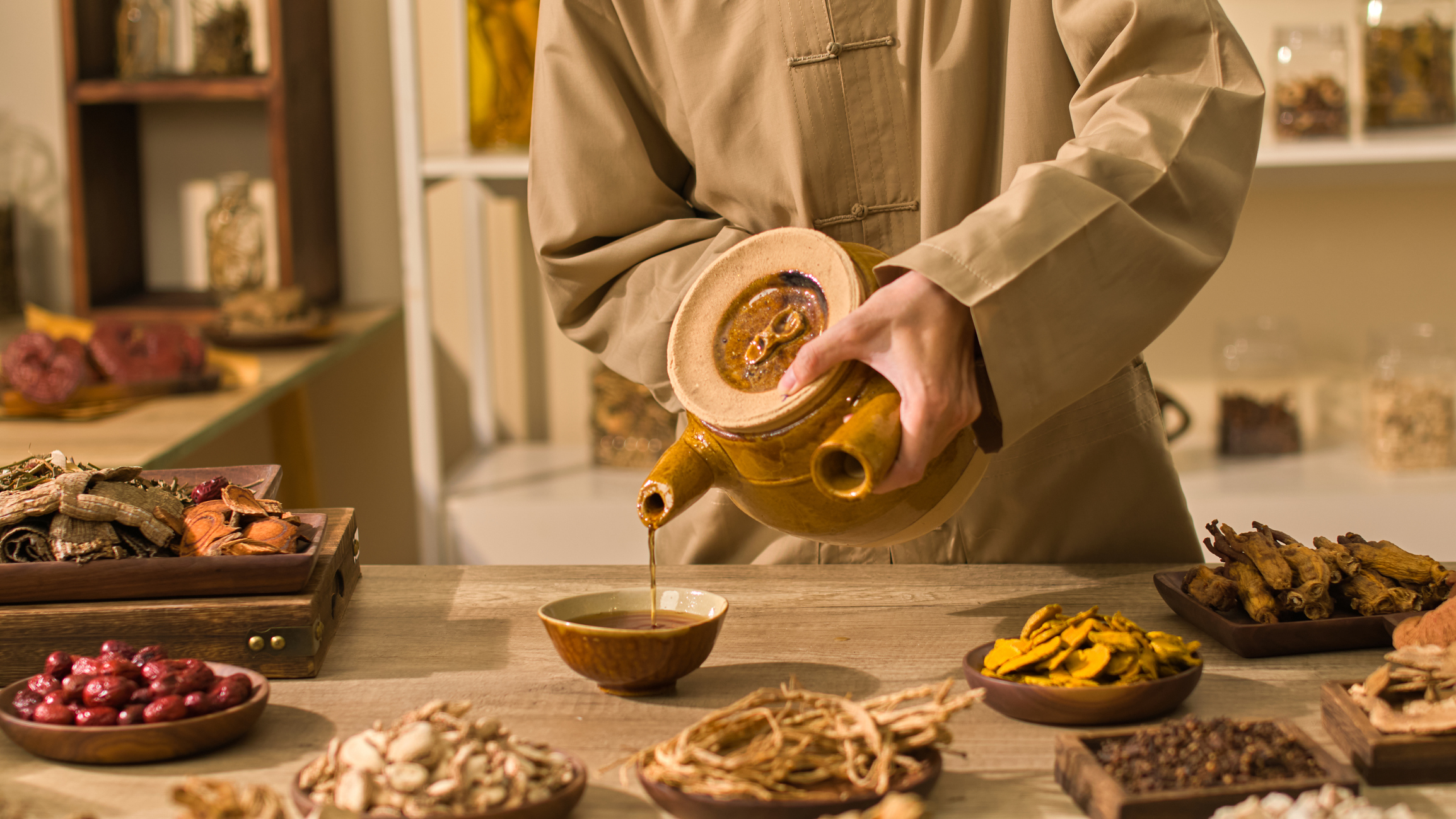


Migraines from a TCM perspective
By Melissa Carr, BSc, DrTCM
While many patients think of migraines as a bad headache, healthcare practitioners know the pain can be excruciating, and it is often not the only or the main symptom. There is no known cure for migraines, and therefore the practitioner’s priority must be management and prevention. Traditional Chinese Medicine (TCM) offers several treatment approaches for migraine patients.
There is a long list of possible TCM diagnoses for migraines, and they can involve both deficiencies and excesses of the TCM Liver, Spleen, Kidneys, and Heart. However, several of the patterns include some Liver involvement. In addition, all pain, according to TCM, is diagnosed as stagnation or blockage in Qi or Blood, so the practitioner may check if Liver Qi stagnation is at least part of the diagnostic pattern.
What I most commonly see as a starting point to address migraines in women is a combination of Liver Qi stagnation and Liver Blood deficiency causing Yang Qi to rise. Since three times more women experience migraines than men, I more commonly see women with this issue.
Case Study: Margaret
Margaret’s first migraine happened when she was a teenager. She suffered from very heavy periods with severe menstrual cramping and was put on a birth control pill. A few months later, her first migraine came on during her period. Though she is now 43 years old and has been on and off the pill in various forms since, she continues to experience migraines, mostly around the start of her period.
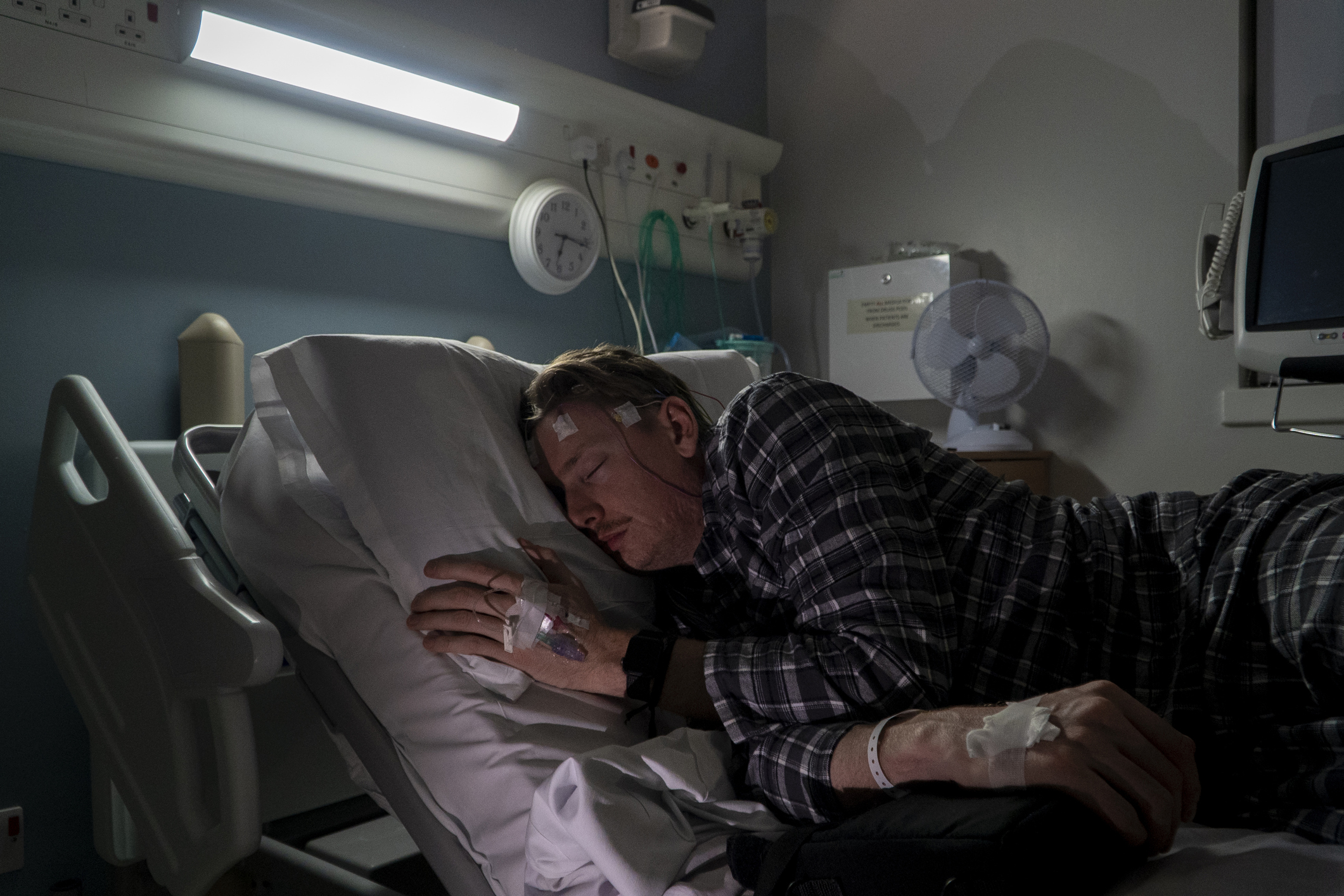
Prior to a migraine, she feels fatigue and a feeling of heaviness behind her eyes. Blurry vision and visual floaters happen next, followed shortly thereafter by a severe one-sided headache in her temple and behind one eye. If she doesn’t medicate quickly enough and retreat to a dark, quiet place, she becomes nauseous and vomits. She typically goes to bed until the next day when she wakes up without the headache, but with fatigue and difficulty concentrating.
She gets migraines most months, and they are more likely to occur when she is stressed or hasn’t been sleeping enough. She also recognizes that alcohol and sugar are triggers.
Margaret appears pale and has dry, brittle hair and nails. She sighs frequently as she talks about her stresses. She says she doesn’t get outwardly angry often, but often feels frustrated and irritated and struggles with depression. She has temporomandibular joint pain because she often grinds her teeth at night, so she wears a mouth guard to bed. She also gets leg cramps and says she feels like the muscles all over her body are simultaneously tight and weak.
While there is still a lot of unknown about migraines, it is considered a neurological disease with numerous possible triggers to a sensitized nervous system. My first goal for my migraine patients is to calm their nervous system with acupuncture, and, if they come in with a headache, to relieve their pain. Acupuncture has been shown to increase the release of calming and pain-relieving neurotransmitters, including serotonin, beta-endorphin, and enkephalin. Most of my patients note feeling very relaxed after acupuncture, and some feel sleepy even as I’m still inserting needles.
I recommended acupuncture as the lead treatment. Since this is a long-standing health issue, I suggested weekly sessions for eight weeks, after which treatment would decrease to once every two to three weeks. Though not every acupuncture point is used at every session, some of the points include LI4, LIV3, LIV8, ST6, ST7, ST36, SP6, SP8, yintang, taiyang, GB8, GB21, REN4, UB15, UB18, UB19, UB20, UB21, and UB23.
For chronic hormonal imbalance issues, I usually recommend at least three months of herbal treatment, and in Margaret’s case, I prescribed a customized herbal formulation of Jia Wei Xiao Yao San and Tao Hong Si Wu Tang with added man jing zi.
During the first three months of treatment, she had one migraine, though with reduced intensity. Eight months later, off the herbs and getting acupuncture once a month, she has had only one migraine.
Case Study: Jim
At 75 years old, Jim is still working nine- to twelve-hour days, five to six days a week. About a year ago, he was speaking to a colleague when he started to notice jagged lines in his vision and his speech started to get muddled. Thinking he was suffering from a stroke, he went to the hospital. After about an hour, everything returned to normal and, after tests showed nothing was wrong, he went home.
A few days later, it happened again. Jim was used to having visual floaters, as he had had those for decades, but this was much more severe and limiting to his vision. He laid down in his office until it passed and then continued with his day. Several events later, he was diagnosed by a neurologist with hemiplegic migraine and put on valproic acid. He also got near weekly acupuncture sessions from me for this and several other health issues, including inguinal hernia, knee pain, back pain, and dental issues.
Jim didn’t want to be on the valproic acid and negotiated a lower dose with his general practitioner because the migraines had diminished significantly, both in frequency and duration. When he saw his neurologist for a follow up, he was told the dose he was taking was below the therapeutic threshold, but he continued to take it anyway.
His TCM diagnosis was Kidney Qi and Jing deficiency with Liver Blood deficiency. Jim’s years of overwork and under-sleep were catching up to him, but he was well practiced at pushing past his limits. When another round of especially busy work came and he was getting even less sleep and rest than usual, the hemiplegic migraines returned daily. He had also skipped a month of acupuncture sessions during this busy time. The weekly acupuncture treatments we resumed included LI4, LIV3, LIV8, KI3, DU4, DU20, yintang, ST36, SP6, SP10, UB18, UB20, UB23, and UB40. I also did local points for his knees and back.
After the first session, he reduced from daily hemiplegic migraines to four that were shorter in duration in that week. After a month of weekly acupuncture treatments, he was back to less than one a week, and now we are working toward getting him back to making them a rare event.
Acupuncture has been shown to be at least as effective as prophylactic migraine medications without the drug side effects and is also a valuable treatment for aborting acute migraines.
References
Linde, K. (2009). Acupuncture for migraine prophylaxis. Cochrane Library. Retrieved from: https://www.ncbi.nlm.nih.gov/pmc/articles/PMC3099267/
Li, Y. (2009). Acupuncture for treating acute attacks of migraine: a randomized controlled trial. Headache. Retrieved from: https://www.ncbi.nlm.nih.gov/pubmed/19438740
Payant, M. (2014). A single case study: treating migraines with acupuncture, Chinese herbs, and diet. Global Advances in Health and Medicine. Retrieved from: https://www.ncbi.nlm.nih.gov/pmc/articles/PMC3921614/
Yang, C. (2011). Acupuncture versus topiramate in chronic migraine prophylaxis: a randomized clinical trial. Cephalalgia. Retrieved from: https://www.ncbi.nlm.nih.gov/pubmed/22019576
About the Author: CJ Weber

Also on Integrative Practitioner

Dental Danger: Signs of Sleep Breathing Disorders in children and Adults, Learn the Visual Clues
Non-Member Price: $30.00 Member Price: $18.00 – 40% Off for Members Only Add to Cart Presented by: Mark Breiner, DDS,...

Integrative and Comprehensive Approach to Inflammatory Bowel Disease
Non-Member Price: $30.00 Member Price: $18.00 – 40% Off for Members Only Add to Cart Presented by: Ronald Hoffman, MD,...

Measuring Biology vs. Symptomatology: The Fully Integrated Functional Wellness Program
Non-Member Price: $30.00 Member Price: $18.00 – 40% Off for Members Only Add to Cart Presented by: Dane Donohue, DC...

Change Your Genes, Change Your Life
Non-Member Price: $30.00 Member Price: $18.00 – 40% Off for Members Only Add to Cart Presented by: Kenneth Pelletier, PhD,...
Guided Imagery – Efficacious, Portable, Scalable, User-Friendly, Self-Administered
Non-Member Price: $30.00 Member Price: $18.00 – 40% Off for Members Only Add to Cart Presented by: Belleruth Naparstek, ACSW...