









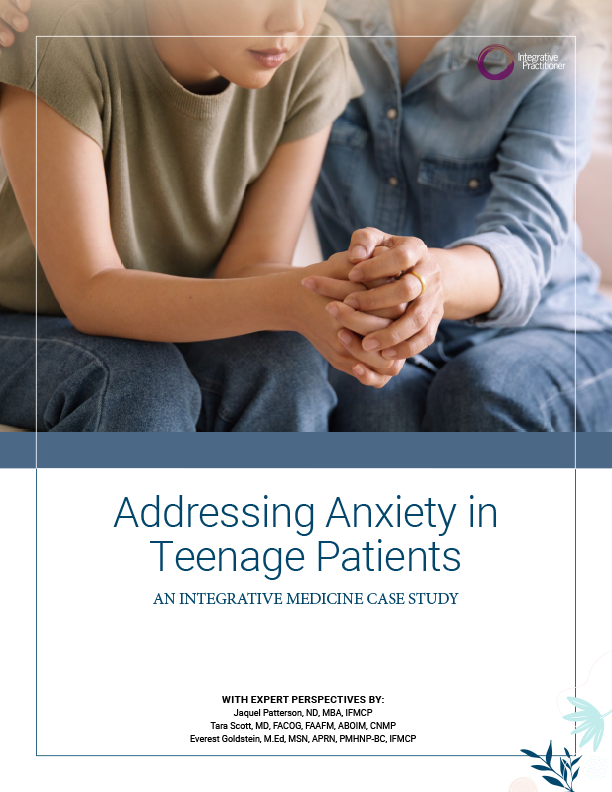

Supporting clients in the LGBTQIA+ community through affirming therapy
Photo Cred: Cecilie Johnson/Unsplash
By Linda Childers
While many adults experience anxiety and depression, the National Alliance on Mental Illness (NAMI) said those who identify as lesbian, gay, bisexual, transgender, queer, intersex, and asexual (LGBTQIA+) are twice as likely as heterosexual adults to experience depression and anxiety disorders.
A relatively new modality, LGBTQ+ affirming therapy, works to help clients accept and embrace who they are. Unlike LGBTQIA+-friendly therapy, where therapists are welcoming of all queer clients, LGBTQIA+ affirmative therapy takes it a step further, validating each client’s identity and experiences, while also acknowledging any barriers they may face.
Lisa Maurel, LMFT, owner of Genderpath, offers affirming therapy at her practice in Costa Mesa, Calif. She is often asked to provide education to integrative practitioners on gender, sexual diversity, and community health.
“My approach incorporates education and support for transgender and gender diverse clients in developing positive self-identity and self-esteem,” Maurel said. “Affirming therapy creates a more inclusive environment for clients where their gender and sexual diversity are affirmed and not erased or pathologized.”
Reducing shame
The Human Rights Campaign Foundation estimates that 20 million adults in the United States identify as part of the LGBTQIA+ community. NAMI attributes depression and anxiety in the queer community to factors including discrimination, prejudice, denial of civil and human rights, harassment, and family rejection, as potential causes that can either cause or exacerbate depression in the LGBTQIA+ community.
A study published this past February in the Journal of the American Medical Association Psychiatry, found that 83 percent of lesbian, gay, bisexual, and queer (LGBQ) individuals reported going through adverse childhood experiences (ACE), such as sexual and emotional abuse and had worse mental health as adults when compared to their heterosexual peers.
According to Maurel, affirming therapists help clients to look at their current life challenges through the lens of their identity development as an LGBTQ+ person. In addition, this type of therapy assists clients in reducing any shame or stigmatizing beliefs associated with their identity and amplifies the gifts and strengths of each queer person, rather than just their problems that bring them to therapy.
Maurel said therapy professionals that haven’t received training in LGBTQIA+ cultural competency, can benefit from affirming therapy training since the practice teaches them to address any blind spots that are common in our heteronormative and cis-centric culture (cisgender is where a person’s gender identity corresponds to their sex assigned at birth).
“When we make assumptions about a client’s gender, based on our perception of their gender identity and appearance, we often erase and harm queer, nonbinary, and transpeople,” Maurel said. “Affirmative providers enlist practices that include, rather than assume, and avoid the use of pronouns until they know their client’s preference.”
She said she might begin a session with a new client by saying something like, ‘I’m Laura and my pronouns are she/her/they,” said Maurel who identifies as a lesbian. “By using language that’s neutral in your conversation and your forms, you’re conveying safety to your client.”
In addition, Maurel also uses mindfulness practices, breathwork, and other somatic practices to help clients heal and live a more authentic life. She also facilitates retreats for soul integration and grounding in nature as part of the healing process.
Healing old wounds
Seth Ambrose, MFT, of Somatic Psychotherapy in San Francisco, Calif. said affirming therapy offers many of his gay clients a chance to heal old wounds and to celebrate their own identity.
‘Many of my clients who grew up in conservative areas deal with a lot of shame and trauma,” Ambrose said. “Some struggle to say, ‘I’m queer’ and to define what that means to them individually.”
While the LGBTQIA+ community has seen progress with marriage equality and employment discrimination, Ambrose said the successes still seem fragile.
“I see clients who are afraid to go home if they live in states that are proposing legislation to limit the rights of the queer community,” Ambrose said. “There’s a fear that despite the progress that’s been made in our community, that it could all be stripped away.”
Such fears often manifest as anxiety and depression for his clients, issues that Ambrose can relate to as a gay man.
“While affirming therapists don’t necessarily have to be a part of the LGBTQIA+ community, many are,” he said. “For therapists who are heterosexual, it’s important to either become educated on the language and issues the queer community is facing, or to feel comfortable referring clients to a therapist who practices affirming therapy.”
Maurel agreed noting that a big part of affirming therapy is being both informed and familiar with issues of sexuality, internalized homophobia, coming out, self-destructive behaviors, and depression. In addition, affirming therapists should feel comfortable talking about dating, sex, and intimacy issues within the queer community.
She recommended the following resources to professionals who want to learn more about affirming therapy or who want to make their practice more LGBTQIA+ inclusive:
- A CE course offered by the APA: How Does Implicit Bias By Physicians Affect Patients’ Health Care?
- Webinars, publications, and resources for healthcare providers offered through the National LGBTQIA+ Health Education Center.
- The American Psychological Association (APA) has developed two helpful resources on this topic: Guidelines for Psychological Practice with Gay, Lesbian, and Bisexual Clients and Guidelines for Psychological Practice for Transgender and Non-Conforming People in Everyday Practice.
- A list of LGBTQIA+ terms used to describe sexual orientation, gender identity, and gender expression from the non-governmental media monitoring organization, GLAAD.
- The APA course, Fundamentals of Gender-Affirming Therapy for Cisgender Clinicians.
“I support each client’s dignity and I believe they know who they are and how they want to live in a world without uncertainty and fear,” Maurel said.
About the Author: CJ Weber

Also on Integrative Practitioner

Dental Danger: Signs of Sleep Breathing Disorders in children and Adults, Learn the Visual Clues
Non-Member Price: $30.00 Member Price: $18.00 – 40% Off for Members Only Add to Cart Presented by: Mark Breiner, DDS,...

Integrative and Comprehensive Approach to Inflammatory Bowel Disease
Non-Member Price: $30.00 Member Price: $18.00 – 40% Off for Members Only Add to Cart Presented by: Ronald Hoffman, MD,...

Measuring Biology vs. Symptomatology: The Fully Integrated Functional Wellness Program
Non-Member Price: $30.00 Member Price: $18.00 – 40% Off for Members Only Add to Cart Presented by: Dane Donohue, DC...

Change Your Genes, Change Your Life
Non-Member Price: $30.00 Member Price: $18.00 – 40% Off for Members Only Add to Cart Presented by: Kenneth Pelletier, PhD,...

Guided Imagery – Efficacious, Portable, Scalable, User-Friendly, Self-Administered
Non-Member Price: $30.00 Member Price: $18.00 – 40% Off for Members Only Add to Cart Presented by: Belleruth Naparstek, ACSW...