




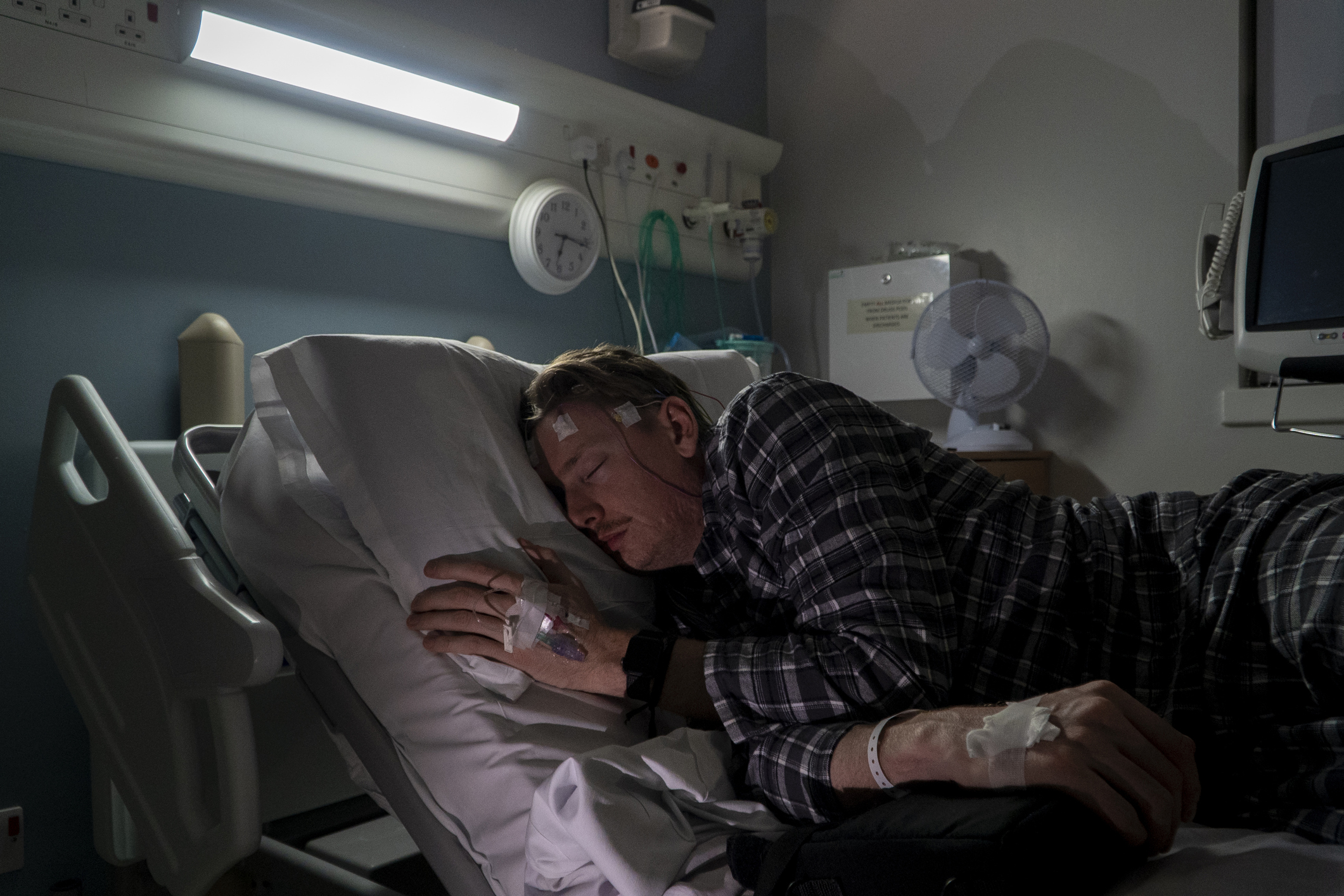





Music Therapy Proves Effective for Post-Treatment Cancer Survivors
By Lauren Kells
October 20, 2026 | Although cognitive behavioral therapy (CBT) has long helped cancer patients manage anxiety and depression, a new music therapy trial offers an alternative solution that may prove just as effective. CBT is an effective treatment option used by both cancer survivors and those currently in active treatment. This form of traditional talk therapy focuses on exploring emotions and recognizing patterns between thoughts and behavior.
CBT has long proven efficacious in improving patient outcomes, but not everyone feels comfortable talking with a therapist or has access to one. Looking at other forms of support could connect a wider range of patients to therapy. A music therapy trial conducted by Memorial Sloan Kettering Cancer Center in partnership with Drexel University introduced and tested an alternative therapeutic choice for cancer survivors. Music therapy is an evidence-based treatment through which cancer survivors engage in novel ways of identifying, examining, and processing their thoughts and feelings through music experiences with a board-certified music therapist.
Drexel College of Nursing and Health Professions professor Joke Bradt, Ph.D., and Memorial Sloan researchers conducted “A Study Comparing Music Therapy and Cognitive Behavioral Therapy for Anxiety in Cancer Survivors,” also called the MELODY trial (Journal of Clinical Oncology, DOI: 10.1200/JCO-25-00726), which set out to examine the success of music therapy compared with cognitive behavioral therapy for anxiety management in cancer survivors.
Benefits of Music Therapy for Self-Expression and Anxiety Management
Three hundred cancer survivors participated in the MELODY trial. Half of the participants engaged in telehealth CBT with a licensed social worker or clinical psychologist, while the other group was assigned to work with board-certified music therapists, writing their own original songs during telehealth music therapy. In the end, the study team found that music therapy was just as effective as CBT in reducing anxiety, depression symptoms, pain, and fatigue. Many participants found music therapy a comfortable outlet to share their feelings in a new way, study authors report. The alternative songwriting method offered survivors a less intimidating environment in which to express even their most difficult feelings.
The MELODY trial produced two additional publications that further elucidated the study’s results. Bradt’s qualitative study, “Cancer Survivors’ Experiences of Telehealth Music Therapy for Anxiety Management” (European Journal of Integrative Medicine, DOI: 10.1016/j.eujim.2026.102725), analyzed how cancer survivors experienced telehealth music therapy as an approach to help them cope with anxiety, while Ph.D. candidate Sarah Biedka’s thematic analysis, “This Is My Voice; This Is My Story”: A Thematic Analysis of Needs and Challenges Expressed in Songs by Adult Cancer Survivors” (Journal of Cancer Survivorship, DOI: 10.1007/s11764-026-02071-9), explored the lyrical and topical themes of 26 songs created by a subsample of participants during the trial.
Song analysis was unique. Unlike most music therapy songwriting research to date, it didn’t focus on the experiences of people with cancer in palliative or hospice care, instead focusing on a different stage of their survivorship journey, says Biedka.
Post-trial interviews offered additional insights into participants’ experiences with music therapy, which was a new treatment approach for some of them. Previous music therapy experience was not a requirement for participation. Bradt and Biedka noted that some participants were hesitant at the beginning of the songwriting task, but with the music therapist’s encouragement, they grew more confident over time and came to enjoy the songwriting experience. An important benefit of music therapy is that it can bring joy while, at the same time, working through difficult emotions, says Bradt.
Whether they were new to writing and playing music or not, individuals took pride in their finished songs, and some said they shared them with their loved ones to facilitate a better understanding of their emotions and experiences.
Biedka’s analysis identified four themes across the subsamples’ songs: the need to use time wisely, personal influences on coping, the need to feel others’ support, and existential needs. These themes touch on major aspects of the participants’ lives post-treatment, such as the search for identity and the necessity of feeling supported, Biedka says.
Each person’s thoughts and feelings related to their illness are unique. However, by analyzing original lyrics from 26 of the participants’ songs, the study highlighted pivotal needs and challenges that impacted the participants’ lives. Biedka says that the results suggest something else important: songwriting with a music therapist helped the participants process and communicate a range of needs and challenges.
Through songwriting, participants were able to put precise words to the feelings and struggles they were experiencing. Biedka cites as an example one participant who used the structure of the verses and lyrics to help validate her anxiety and in the chorus reminded herself that she had support and felt loved regardless of the circumstances. Survivors’ experiences are multifaceted; songwriting allowed them to express emotions and thoughts they may never have articulated before, says Biedka.
Telehealth Makes Music Therapy More Accessible for Cancer Survivors
The MELODY trial was conducted via telehealth, with music therapists using chat and whiteboard features in video conferencing platforms to foster collaboration during the songwriting process. The advantages of in-person therapy notwithstanding, many participants enjoyed the MELODY trial’s telehealth format, as was noted in Bradt’s qualitative study.
Most music therapy participants who were interviewed reported that they felt comfortable disclosing more openly, and that telehealth fit more conveniently into their busy schedule. By eliminating travel time and other barriers that could prevent in-person participation, music therapy becomes more accessible to more people affected by cancer, says Biedka. “Telehealth can be particularly helpful for people who have been diagnosed with cancer because they already spend so much time going to appointments, having tests, going to procedures, and sometimes having to take time off work. Participants who were interviewed spoke about not having to commute, which not only takes time but is uncomfortable when you’re in a lot of pain.” It was also easier for them to open up emotionally from the comfort of their own homes, Biedka adds.
Challenges of Large-Scale Music Therapy Implementation in Cancer Care
Despite the MELODY trial’s success in using music therapy to alleviate cancer survivors’ anxiety, Bradt and Biedka say the work is far from over. Large comparative effectiveness trials like MELODY are designed to illustrate the comparative efficacy of intervention for clinical outcomes. Because CBT has been the gold-standard treatment for many years, introducing music therapy as an alternative approach for anxiety management and having it become a reimbursable service requires additional evidence such as implementation research and economic analyses. With further research, Bradt expects the benefits of music therapy in cancer care to be well validated and become a paid service.
The potential advantages of songwriting in music therapy could reach populations beyond cancer survivors, as illustrated by another study, “Songs Created by Military Service Members in Music Therapy: A Retrospective Analysis” (The Arts in Psychotherapy, DOI: 10.1016/j.aip.2018.11.004). The first-of-its-kind retrospective analysis, led by Bradt, examined the benefits of songwriting for military veterans adjusting to civilian life.
About the Author: Allison Proffitt

Also on Integrative Practitioner

Should Peptide Scientists Ignore the Peptide Craze?
By Judy Myers October 14, 2026 | Unregulated injectable peptides promising better aging, better healing, and better sex are being consumed...

Exercise’s Impact on Cognition, Molecular Aging
By Allison Proffitt October 8, 2026 | Exercise didn’t sharpen thinking in breast cancer survivors, but it may have slowed...

Sugar May Supercharge Antibiotic Gut Damage Hospital Study Suggests
By Allison Proffitt October 6, 2026 | Cutting back on sweets while taking antibiotics could help protect the gut’s bacterial...

Follow the Money: Nasal Microbiome, Women’s Wellness
By Integrative Practitioner Staff September 30, 2026 | Funding news from around the wellness space including investments in microbiome testing,...

Ozone Therapy in Integrative Healthcare
Contributed Commentary by Deanna Joy Gilmore September 17, 2026 | When you hear the word “ozone”, you may think of...