






Taoist tenets applied to modern health promotion
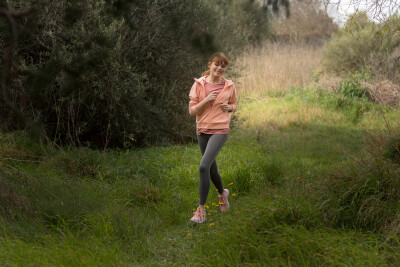
Photo Cred: Eternal Happiness/Pexels
By Bill Reddy, LAc, DiplAc
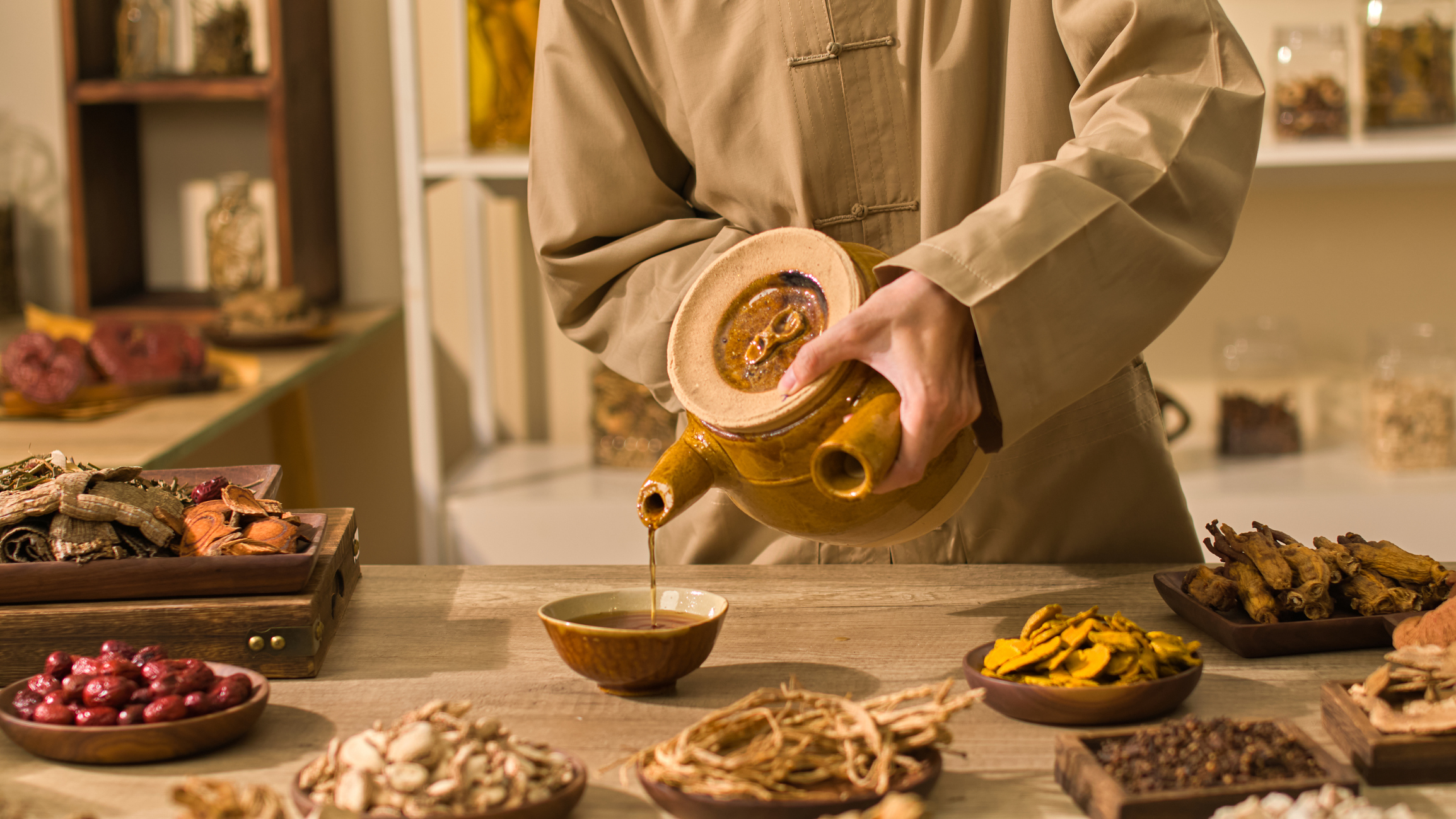
The foundation of Traditional Chinese Medicine (TCM) can be traced to Taoist philosophy. Taoism, also known as Daoism, can be considered both a philosophy and a religion. Ancient wisdom can be applied to modern day health and wellness and several tenets of Taoist philosophy can be explored through a modern lens. Taoists embraced the concepts of psychoneuroimmunology and the biopsychosocial aspects of pain and chronic disease in their literature and oral tradition.
Concepts of Taoist philosophy extend back roughly 80 centuries, although the originator Laozi, also known as Lao Tsu or Lao Tse, wrote the Tao Te Ching in 550 B.C. It consists of 81 chapters or verses, which are a collection of sayings by Taoists and sages who pre-dated Lao Tsu.
The central concept Tao, or way, refers to the natural flow of time and events or the basic vibration or energy of the universe. Taoist’s focus on health, self-cultivation, compassion, living within the rhythm of nature, and longevity have great value and are reflected in the theory and practice of Traditional Chinese Medicine. Nature is a supreme teacher. People need to get enough fresh air, sun, water, food exercise, sleep, and relaxation. Even though Taoists refer to three levels of heaven, earth, and human being, they recognize that all three are contained within the universal Tao, and one can influence the other due to that deep connection.
Humans as an inextricable part of nature
One cosmological concept is that humans are considered a microcosm of the macrocosm, meaning that humans are a very small part of the overall universe. Astrophysicists recognize that when stars go “supernova” or run out of fuel and explode, they produce new elements beyond their original composition of hydrogen and helium. These new elements, especially carbon, are found in human bodies. In the macrocosm of our solar system there is the sun and planets revolving around it. Similarly, in human cells, there are atoms with the nucleus and electrons.
Nutrition
Taoists considered nuts and seeds as containing dense “gu qi” or “nutritive qi” because they grow into large plants and trees. Eating them straight from the tree would be ideal, but if they’ve been stored for a while, Taoist monks would soak them overnight to energize the qi. They also strongly recommended walnuts for brain health because it looks like a brain. In today’s vernacular, this would be considered phytonutrients and omega-3 fatty acids, respectively. Furthermore, they recommend eating fruit and vegetables in season. Tomatoes are considered a cooling food, perfect for summer temperatures. However, year-round access to such foods makes it more challenging to eat in season.
Chronobiology and the earth’s magnetic field
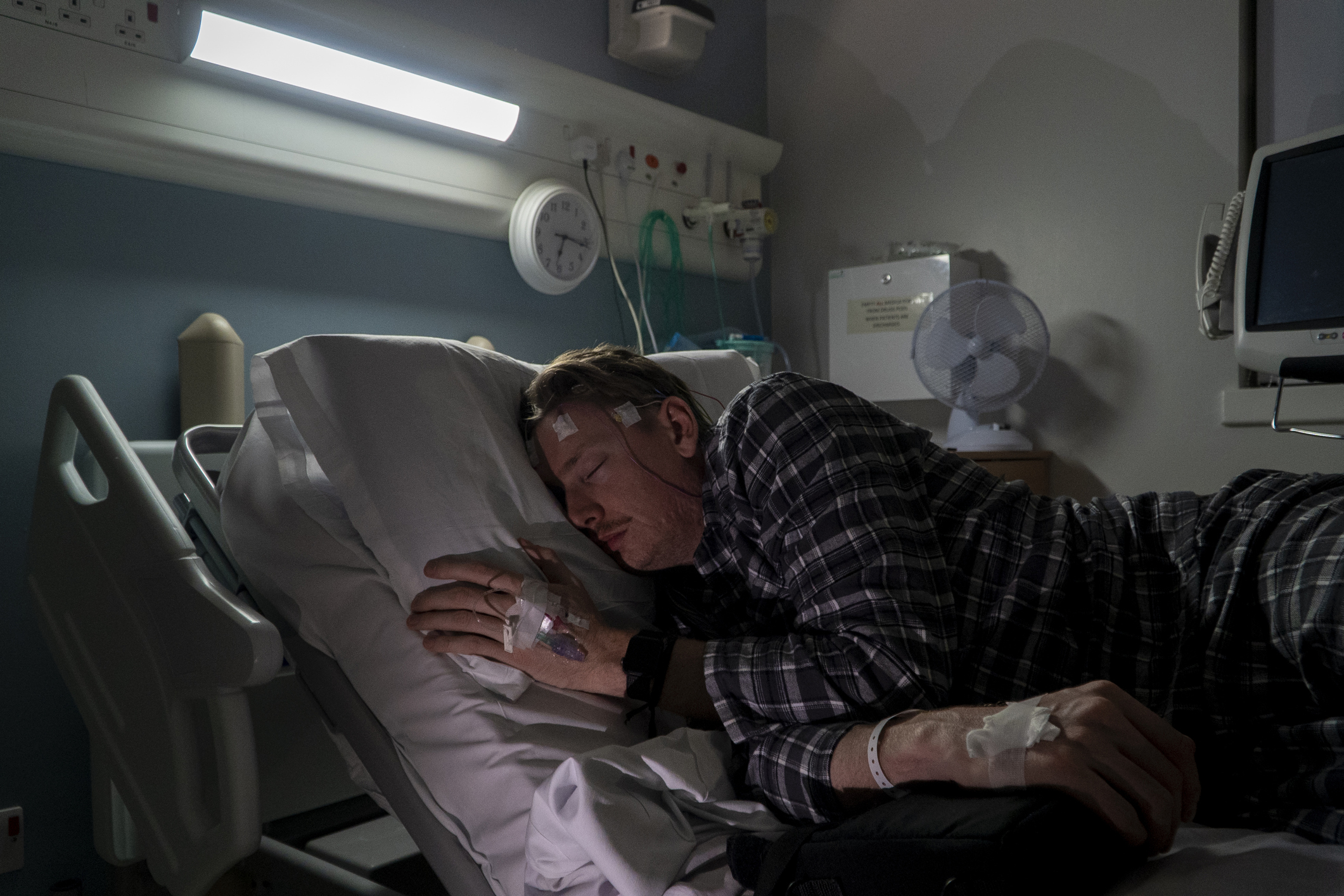
It’s appropriate to go to sleep early in the wintertime because the sun sets earlier, and later in the summertime. With artificial lighting, people can stay up late in the winter, which negatively affects their immune function. Ambient light pollution can also disturb sleep quality. Practitioners should make sure patients who suffer from insomnia limit exposure to light from devices two hours before bedtime, and use blackout curtains to keep their bedroom’s dark.
The lunar cycle affects the ebb and flow of ocean tides, and humans are 70 percent water, so it’s not surprising that people are affected, as microcosms of the macrocosm. Women’s menstrual cycles are referred to as yuejing or the “flow of the moon” in Taoist traditions where women are innately part of celestial divinity made flesh. There are cycles in our lives—infant, child, teenager, adult, and senior—with each requiring various optimal hours of sleep per day.
The science of biorhythms and chronobiology has become popular in health research. The Taoists suggested people in the northern hemisphere sleep with the head of their beds facing north, east, or northeast. The opposite is true in the southern hemisphere, where one would sleep facing south, west, or southwest for optimal alignment of the earth’s magnetic field. Rapid eye movement (REM) sleep is lengthened when sleeping north or south versus east or west.
General health and well-being
Maintaining balance, or homeostasis in modern medicine, is a central tenet of Taoist philosophy There’s an ancient Chinese edict about “variety and moderation,” and is applied to all aspects of life from diet to activity and rest.
“Self-cultivation” is another strong tenet of Taoist philosophy. These activities include qigong, meditation, and exercise and stretching, as well as maintaining a high level of integrity, compassion, and service to others. Encouraging patients to start their day off with yoga or meditation, and ending their day with deep breathing and gratitude, can improve outcomes on every level. Wu wei, which literally translates to non-doing or non-action means the action of non-action or “effortless action.”
Going with the flow, or as neurologists refer to entering the flow state, one can act without thought. As with most Chinese philosophy, the concept of wu wei is multi-dimensional, where people understand their place within and part of the cosmos, and being aware of our deep connection, they can only offer thoughts, words, and actions that do no harm and are virtuous. Therapies such as mindfulness-based stress reduction (MBSR) embraces the overall intention of wu wei.
References
Hekmatmanesh, A., Banaei, M., Haghighi, K.S., and Najafi, A. (2019) Bedroom design orientation and sleep electroencephalography signals. Acta Medica International. Retrieved from: https://www.actamedicainternational.com/article.asp?issn=2349-0578;year=2019;volume=6;issue=1;spage=33;epage=37;aulast=Hekmatmanesh
About the Author: CJ Weber

Also on Integrative Practitioner

Dental Danger: Signs of Sleep Breathing Disorders in children and Adults, Learn the Visual Clues
Non-Member Price: $30.00 Member Price: $18.00 – 40% Off for Members Only Add to Cart Presented by: Mark Breiner, DDS,...

Integrative and Comprehensive Approach to Inflammatory Bowel Disease
Non-Member Price: $30.00 Member Price: $18.00 – 40% Off for Members Only Add to Cart Presented by: Ronald Hoffman, MD,...

Measuring Biology vs. Symptomatology: The Fully Integrated Functional Wellness Program
Non-Member Price: $30.00 Member Price: $18.00 – 40% Off for Members Only Add to Cart Presented by: Dane Donohue, DC...

Change Your Genes, Change Your Life
Non-Member Price: $30.00 Member Price: $18.00 – 40% Off for Members Only Add to Cart Presented by: Kenneth Pelletier, PhD,...
Guided Imagery – Efficacious, Portable, Scalable, User-Friendly, Self-Administered
Non-Member Price: $30.00 Member Price: $18.00 – 40% Off for Members Only Add to Cart Presented by: Belleruth Naparstek, ACSW...