







Connecting Patients, Providers, and Farmers to Improve Chronic Care and Local Economies
By Irene Yeh
May 22, 2026 | Food intervention programs not only benefit patients by improving their lifestyle and health conditions but can enhance local economies, quality performance, and chronic care outcomes.
At this month’s Food as Medicine Summit in Chicago, Terese Hill, manager of food is medicine strategy at Fairview Health Services; Anna Richardson, market access program director at The Good Acre Food Hub; and Jolene Tanner, senior director of community health and social impact programs at UnitedHealth Group, sat on a panel to discuss operationalizing culturally responsive Food Is Medicine (FIM) models, aligning outcomes to value‑based care, and building sustainable prevention‑focused solutions.
Relationships as the Foundation
Hill began the presentation with a clip that showed the years of establishing collaboration and partnerships with providers, local growers, and other organizations to build realistic and equitable programs. Fairview’s programs have focused on improving food insecurity and creating accessibility to disrupt the prevalence and progression of chronic conditions, according to Hill.
“Once people start eating healthier, you start to see the improvement in their blood pressure and diabetes control,” said Hill. She also reported long-term health improvements, such as reduced risk of colon cancer and cardiovascular disease risk.
Hill highlighted that Fairview and the Good Acre’s programs did not initially start with scaling and sustainability or with workflow and operational efficiency. Rather, they began by investing in relationships and partners first. “Much of the success of our FIM initiative is due to having [first] built the operational systems around the relationships and the connections.”
And building that foundation paid off. An example of the partnerships’ success is Fairview’s resource food navigators. Navigators are dedicated to supporting food needs within primary care clinics and bridging healthcare and patient communities. Providers can refer them to patients, thus taking over some of the mental load and tasks involved in connecting food resources for patients. For patients, navigators reduce the stress of finding food and allow them to focus on managing their conditions. Importantly, they build trust through connection and care.
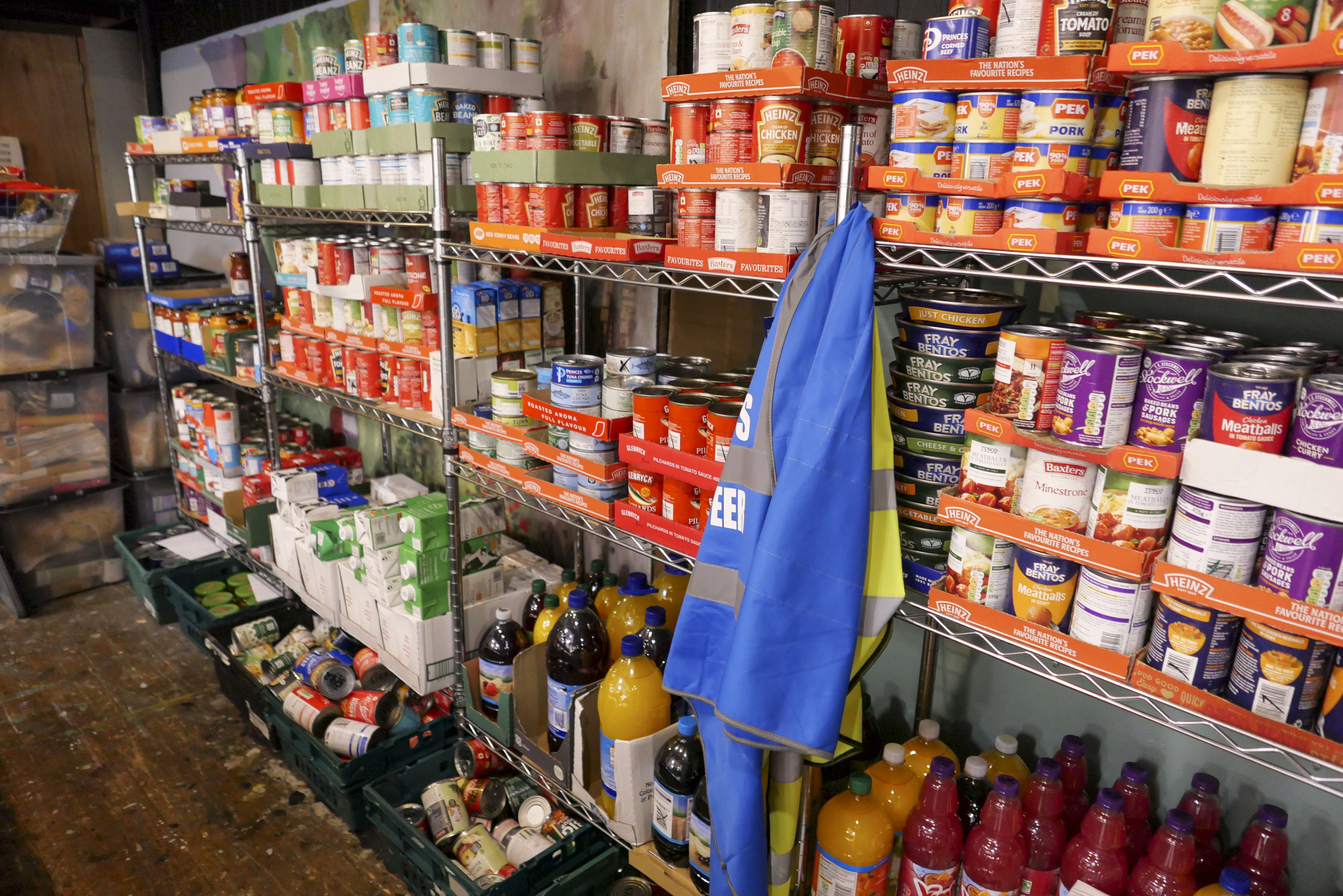
Fairview’s navigators link patients with a fresh food prescription program that offers weekly deliveries of fresh local foods, as well as healthy grocery vouchers. They also connect them to medically tailored prepared meal programs in partnership with Open Arms and immediate emergency options across the system, such as shelf-stable food bags.
Burnout has been a prevalent issue for providers working with food insecure patients. Those at Fairview have shared challenges in helping patients manage their chronic conditions, including their experience of food insecurity or lack of access to healthy foods that would positively influence their health status. Hill stated that healthcare professionals who lack tools to address these social barriers for their patients often experience increased stress, burnout, and moral injury, with one study showing a major impact on the mental health and wellbeing of seven out of 10 providers.
“When there are options and tools in their toolkit to address these barriers, it increases provider morale and prevents burnout, which is incredibly costly to healthcare systems,” said Hill.
Tanner commented that having strong local partnerships also allows community insights and data that help with fully understanding the root causes of health disparities and where to invest money in programs and partnerships. “[Evaluation] is essential to not only understanding and demonstrating the clinical outcomes as we talk about nutrition and food as medicine programs, but also to help measure the impact on things like utilization, cost, and quality.”
Working with Local Farmers to Expand Local Economy
The Good Acre works with farmers who want farming to be their main livelihood but face significant barriers to entering mainstream markets, such as food service at universities and retail groceries. Using these networks and partnerships, the Good Acre relieves operational burden from Fairview’s facilities and staff by sourcing over 100 different farm businesses. These businesses are culturally diverse and reflective of the patient population. Furthermore, the collaboration enables business growth for these farmers and access to a wide variety of fresh produce for patients receiving the food boxes.
Regarding economic development, Richardson feels the Good Acre program is “just scratching the surface.” It isn’t only about the money invested in farm businesses per year and the number of farms participating, nor the cultural and racial diversity of the farms and how they reflect the patient population. To Richardson, the advantages are also about directing FIM money locally and translating that into broader, long-term economic growth.
“The other important element is leveraging … all these different community partners to do what we do best,” Richardson continued. Sharing responsibilities and playing into each other’s specialties and strengths allows the programs to expand more effectively and sustainably.
To further illustrate the impact of Fairview and the Good Acre’s collaborative efforts, Richardson used an analogy of job descriptions that list three to five years of experience for an entry-level position. “When a farm is fairly new and growing, they’re probably selling at a farmer’s market,” she pointed out. But the produce may not meet the retail standards of a grocery store in terms of size and aesthetics.
With Fairview, the market is more flexible. Produce still needs to be of high quality but does not need to be standard in size or appearance. Fairview’s program allows farmers to get the entry-level experience they need while providing their goods to people in need.
Additionally, Richardson cited a report from the Rockefeller Foundation indicating that when FIM funding is spent locally, it can both improve health outcomes and become part of a community’s long-term economic development strategy. In other words, such programs may help strengthen local businesses, support farmers, create jobs, and build more resilient local economies while helping patients eat healthier.
Improving Health Conditions
Tanner reported that aligning navigators and fresh food prescription boxes has produced meaningful results, in terms of both food security and chronic disease management. Though not part of a randomized study, an analysis of routine clinical data showed sustained improvements across participants. Specifically, 71% of diabetic or prediabetic participants reported reduced A1C levels and 68% of participants with hypertension had lowered blood pressure. Both metrics are part of the Healthcare Effectiveness Data and Information Set (HEDIS) maintained by the National Committee for Quality Insurance, said Tanner.
“While FIM is not itself a HEDIS measure, it can help support stronger performance on measures such as diabetes and blood pressure control by addressing some of the barriers, including healthy eating and self-management that fall under those measures,” said Tanner.
Furthermore, Hill reported that participants responded positively to working with food resource navigators. In particular, they felt more confident about having needed food for themselves and their households and eating a well-balanced diet.
Tanner recommended collaborating with a range of cross-sector partners that can align around common goals and focusing on sustainability. Being part of the program design and intentional practices around evaluation allows diversifying financial support, she added, which in turn facilitates working on advancing policy and advocacy to further sustain and scale programs.
About the Author: Irene Yeh

Also on Integrative Practitioner

How to Integrate Food as Medicine into Existing Care Models
By Irene Yeh At this month’s Food as Medicine Summit, there were many conversations surrounding getting payers involved in expanding...
What Happens When You Team Up with Chefs, Dietitians, Local Communities, and Government
By Irene Yeh Food as medicine is increasingly gaining momentum as a preventative treatment for diseases and healthcare. Yet in...

Food as Medicine on a Government Level
By Irene Yeh At the Food as Medicine Summit in Chicago last week, Calley Means, senior advisor to the White House and Health...

Bacteria: Unsung Players in the Tumor Microbiome
By Deborah Borfitz How cancer patients will respond to treatment can be anticipated based on their genetics as well as the tumor microenvironment, although one relevant component is often all...

Machine Learning Sleep EEG Measures Brain Age and Dementia Risk
By Irene Yeh Sleep disturbances are emerging as early indicators for dementia. However, the broader architecture of sleep shows inconsistent...