







Unlocking the Dangers of Disrupted Sleep
By Deborah Borfitz
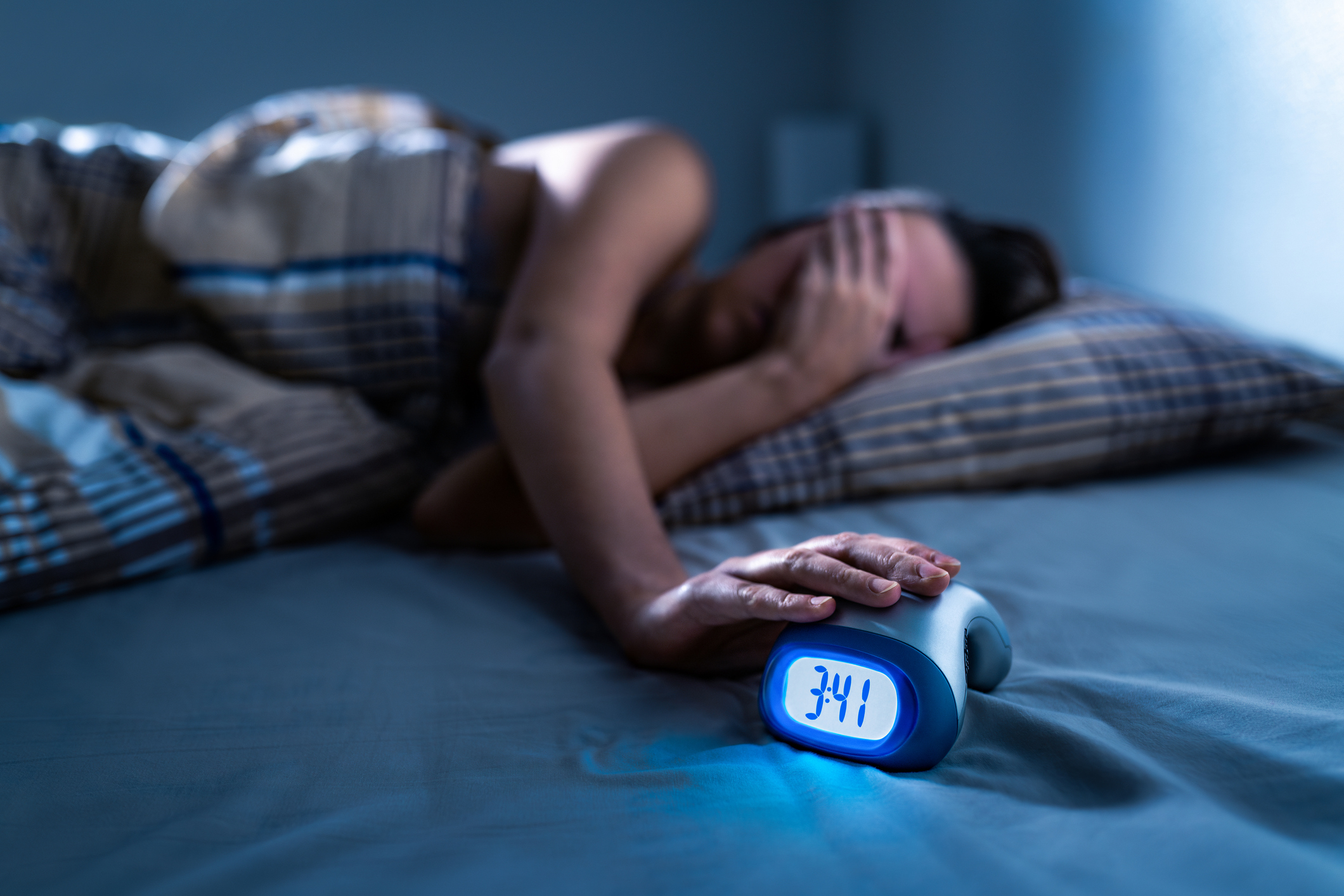
It has been known for some time now that for people with irregular sleep patterns, including shift workers and frequent travelers across time zones, disruptions to the body’s circadian rhythm can be deadly. The dangers have notably included heightened risk of aggressive breast cancer, according to Tapasree Roy Sarkar, Ph.D., assistant professor in the department of biology at Texas A&M University.
The molecular mechanisms behind this phenomenon have remained elusive—until now. Sarkar led a study in mice, which was published recently in Oncogene (DOI: 10.1038/s41388-025-03597-5), finding that internal clock misalignment changes the structure of mammary glands and weakens the immune system.
Evidence linking circadian disruptions and increased breast and prostate cancer risk first emerged in the 2000s and when researchers later began exploring possible reasons, the clues pointed to effects on DNA repair, cell proliferation, and hormones. As with the discovery a decade ago that circadian rhythm is linked to lung cancer (e.g., Cell Metabolism, DOI: 10.1016/j.cmet.2016.07.001), this latest investigation by Sarkar and her colleagues moves the conversation from correlation to causation in breast cancer.
The research team has discovered that the immune-suppressing receptor LILRB4 (leukocyte immunoglobulin-like receptor B4) is a key mediator that goes into overdrive during circadian disruption, thereby promoting tumor growth and lung metastasis. LILRB4 is a critical checkpoint molecule in the tumor microenvironment, connecting altered metabolism to the immunological “escape” of tumor cells.
The study used a genetically engineered mouse model of aggressive breast cancer and found that when the rodents’ sleep was disrupted, they developed cancer at 18 weeks versus the usual 22 weeks and their tumors were far more aggressive, reports Sarkar. The makeup of healthy breast tissue also changed, and anti-tumor immune response was suppressed.
Targeted immunotherapy against LILRB4 counteracted these effects, resulting in less cancer spread. The suggestion is that the same strategy could potentially reverse the damage caused by chronic circadian disruption in humans.
Analysis revealed that tumors induced by circadian rhythm disruptions were being regulated by LILRB4 via the “noncanonical WNT pathway,” Sarkar says, which refers to cell communication routes guiding how cells arrange and move rather than how many cells grow. She and her team are now digging deeper into the underlying molecular mechanism linking a disordered body clock and abnormal mammary gland morphology.
This will include “more translational” trials already underway that could turn circadian biology into practical strategies for improving health and disease outcomes. “This is a timing event, so we are going to focus on the different time points related immune checkpoint.”
Mismatch of Signals
Given the sleep-disrupting nature of modern life, the desire for answers is incalculably large, Sarkar says. A significant proportion of the population is impacted by circadian rhythm disruptions from, most notably, shift work, jetlag, light pollution, and aging.
The importance of circadian rhythms to human health cannot be underestimated, she says. Every cell in the body has its own internal molecular clock, creating a complex network of circadian rhythm governing daily functions like sleep, metabolism, hormone release, and immune response. All those processes are synchronized by a master clock in the brain called the suprachiasmatic nucleus that responds to light.
This internal timing system is coordinating when hormones are released, tissues are repaired, and immune cells fight disease, explains Sarkar. Anything that happens to misalign the timing of the overall circadian rhythm creates a mismatch of signals controlling immune cell resilience and tissue alignment that can facilitate disease spread.
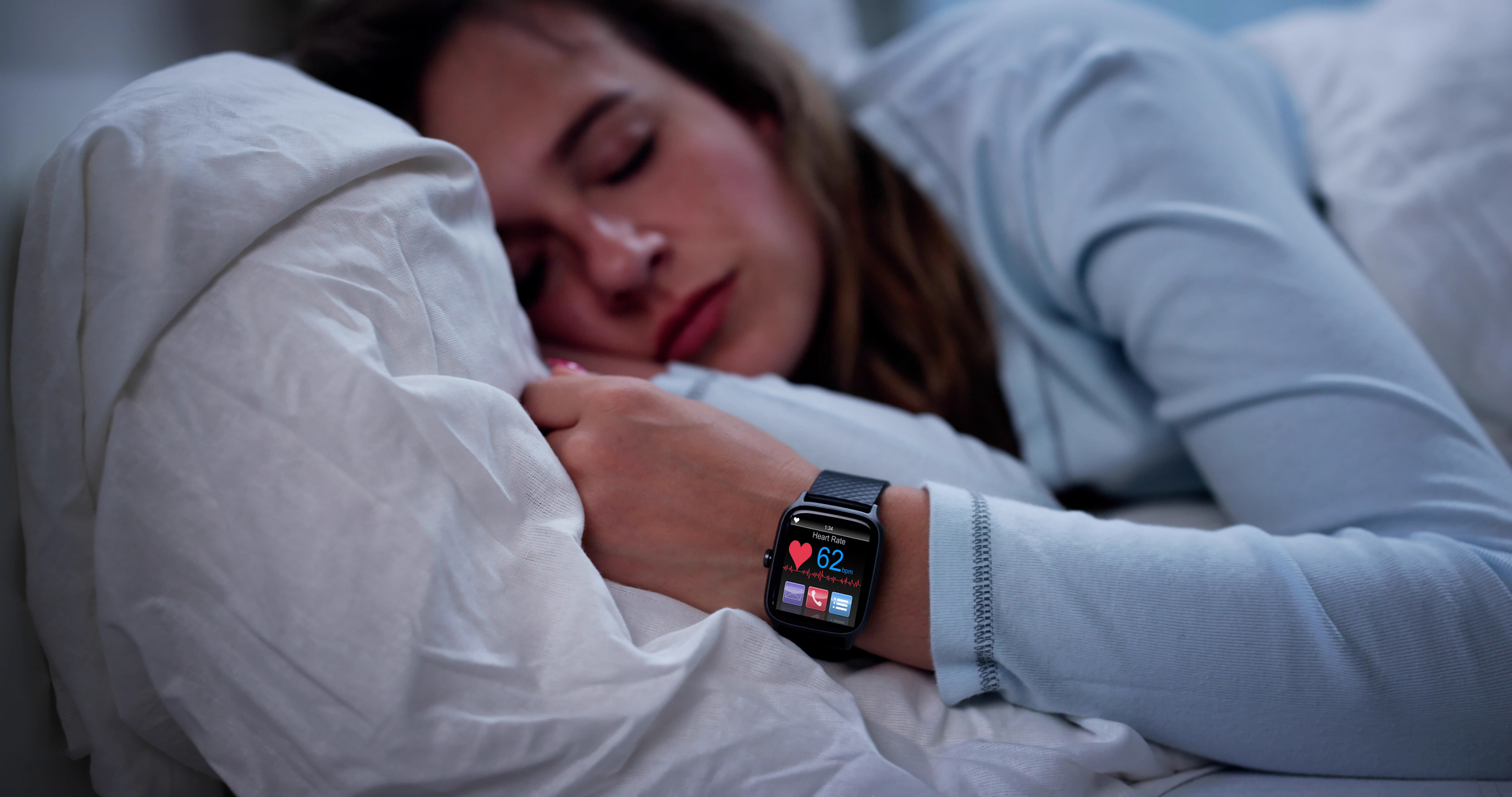
The study highlights the importance of optimizing sleep timing and adopting lifestyle interventions such as a consistent sleep-wake schedule, adjusting natural and indoor light exposure, and adopting good sleep hygiene (e.g., avoiding big meals before bed and watching TV in bed). “We have to understand that sleep … is a fundamental regulator of our health” and keep the disruptions to a minimum—even if recovery strategies are ultimately unearthed, says Sarkar.
She and her team are currently working with two different companies toward that end. Both are focused on reversing the health effects of shift work and jetlag, she says, although LILRB4 is not the therapeutic target.
Expansive Field
Sarkar doesn’t have to look far for collaborators. Texas A&M is home to a huge group of circadian biology researchers and has a Center for Biological Clock Research providing organizational structure to help coordinate their work, she says. The internationally recognized group includes Director Deborah Bell-Pedersen, Ph.D., and Paul Hardin, Ph.D., and Rockefeller University professor Michael Young, Ph.D.—another well-known figure in the circadian field who won the 2017 Nobel Prize in Physiology or Medicine—who serves as a visiting scientist every summer.
The esteemed group of 15 are working in different arenas, including the role of the circadian rhythm in metabolism and protein translation, how the circadian rhythm changes the migration pattern of monarch butterflies, and how sleep disruptions affect behavior using a fly model. Sarkar has been a cancer researcher from the beginning, she says, and learning about circadian biology has been pivotal to her work.
Up to 35% of American are estimated to work irregular schedules, subjecting them to the ill effects of circadian rhythm disruptions, she notes. Interest in the field is skyrocketing, and progress is being made as it relates to multiple body functions.
Research agendas aside, everyone should adopt better sleep habits as it is one of the most important things they can do for their health, Sarkar stresses. It should be a priority, since chronic circadian disruptions can have unpredictable and harmful, possibly far-reaching effects throughout the body.
About the Author: Irene Yeh

Also on Integrative Practitioner
‘Humble’ AI Reveals When It is Uncertain in Diagnoses
By Irene Yeh Artificial intelligence (AI) models have assisted doctors with several clinical tasks, and they hold great promise in...
You Are What You Eat: Nutrition’s Impact on Mental Health
By Irene Yeh It is widely known that nutrition plays a crucial role in brain function, mood regulation, and overall...

AI is Here to Assist, Not Replace
By Irene Yeh As artificial intelligence (AI) continues to enter clinical spaces, there is an understandable concern around AI overtaking...

Are Psychedelics More Effective Than Antidepressants?
By Irene Yeh Psychedelic-assisted therapy (PAT) has gained a reputation as being more effective than traditional antidepressants (TAD) for treating...
No Bones About It: Treating Osteoporosis and Osteopenia
By Irene Yeh Osteoporosis and osteopenia are bone diseases that commonly affect women, especially if they are perimenopausal or postmenopausal....