




Tired or Vital Exhaustion—Curse or Cure for Women?
By Nancy Gahles
The butt of jokes and sitcom episodes for decades has been the caricature of the tired, worn-out woman. She is often portrayed as the exhausted housewife who has no energy left at the end of the day for the proverbial “romp in the hay”. For those of you too young to remember, that aphorism translates into current ICD-10 code for low libido.
Being tired has been taken for granted in women. We, both in society and in medical circles, are accustomed to dismissing a report from a woman that she is tired, even exhausted. There is acceptance that tiredness or exhaustion is a common finding in women, to the point that it sometimes is not considered a reliable symptom to investigate.
The complaint of fatigue is a top contender for women’s issues. The word complaint does carry a charge here because, due to the subtlety of fatigue, and often, the absence of a diagnosable pathology, the complaint is considered just that. A complaint. It is dismissed, uninvestigated, and left to fester. Women are labelled hypochondriacs, hysterical, or malcontents. They are prescribed anti-depressants and painkillers. And they die.
A precursor and reliable risk indicator for the leading cause of death in women has emerged in recent research. It is vital exhaustion. The leading cause of death in women is heart disease. Yet, gender bias remains the biggest obstacle to cure.
The proverbial curse of fatigue bias, as I call it, is the gender-biased obstacle. On March 25, 2017, Harvard Health Publishing released an update on an original publication in September, 2006 titled, Gender Matters: Heart Disease Risk in Women. Banner headline reads, Heart disease is the leading cause of death among women—and one of the most preventable.
The crux of the article is a broad admission of gender bias in cardiovascular disease in women. The opening line clues us, John Q Public, in. “We’ve come a long way since the days when a woman’s worry over heart disease centered on its threat to the men in her life. We now know it’s not just a man’s problem.”
In a survey conducted by the American Heart Association, quoted in the article, it was shown that about half the women interviewed knew that heart disease is the leading cause of death in women, yet only 13 percent said it was their greatest personal health risk.
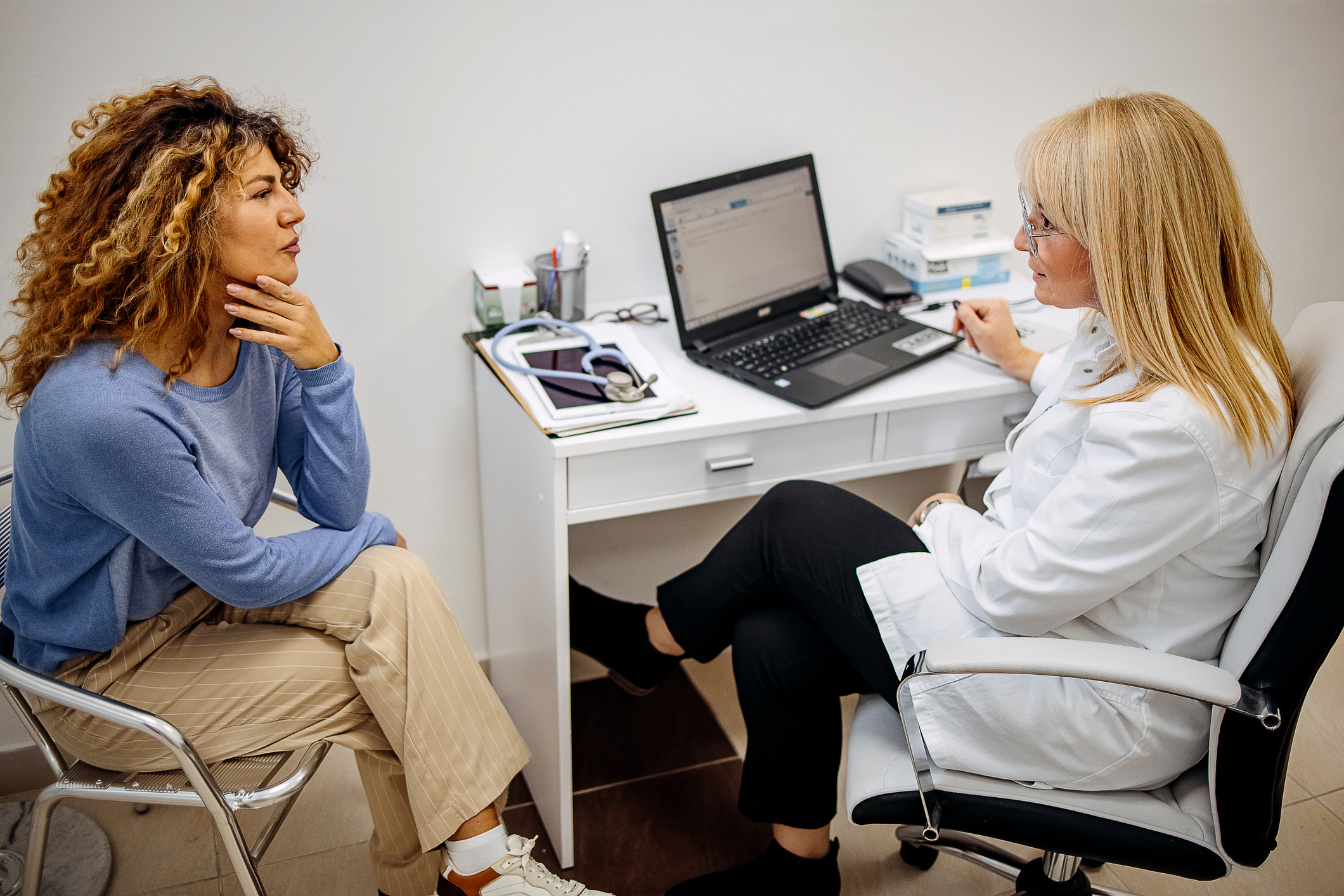
“Why?” you might ask. Because their doctors do not correlate their symptoms to heart disease. According to the survey, “Many women say their physicians never talk to them about coronary risk and sometimes don’t recognize the symptoms mistaking them instead for signs of panic disorder, stress, and even hypochondria.”
As I said before, the curse of women precludes them being taken seriously. But to be fair, docs rely on studies and the preponderance of studies, indeed, the studies that are used to diagnose and treat cardiovascular disease and heart incidents were done on men.
The cure though, for women, is at hand. Research is now being conducted on women. Vital exhaustion is being shown to be a major factor in both risk incident and recovery.
As early as 2003, the Journal Circulation , Vol.108,p.2621, listed the Top Heart Attack Symptoms in Women. The symptoms that present themselves one month before a heart attack are the ones that will bring a woman to her doctor.
They are: Unusual fatigue-71 percent; sleep disturbance-48 percent; shortness of breath-42 percent; indigestion-39 percent; anxiety-36 percent; heart racing-27 percent;arms weak/heavy-25 percent.
It is easy to understand why these symptoms do not immediately signal imminent heart attack to a physician. Women don’t experience the crushing chest pain, the radiating left arm pain that are cardinal signs for a man having an impending heart attack. In the study cited above in Circulation, during a heart attack, only about one in 8 women reported chest pain. The perception of their pain is one of tightness, pressure or aching rather than a strong crushing pain. These symptoms can be easily dismissed as musculoskeletal as opposed to heart related.
The statistic that presents as a cardinal sign for women in prodromal heart attack or progressive cardiomyopathy is vital exhaustion, unusual fatigue. I presented on this feature symptom as part of the syndrome of BurnOut last Feb 2018 at the Integrative Healthcare Symposium. My e-book BurnOut Syndrome & Compassion Fatigue: A Self-Care Guide for Integrative Practitioners, discusses vital exhaustion as a primary component to practitioner burnout. Although noting the pathological sequelae to include inflammation, musculoskeletal and cardiovascular disorders, I did notgo into detail on the relationship of vital exhaustion to incident heart failure. This February, 2019, I will do that.
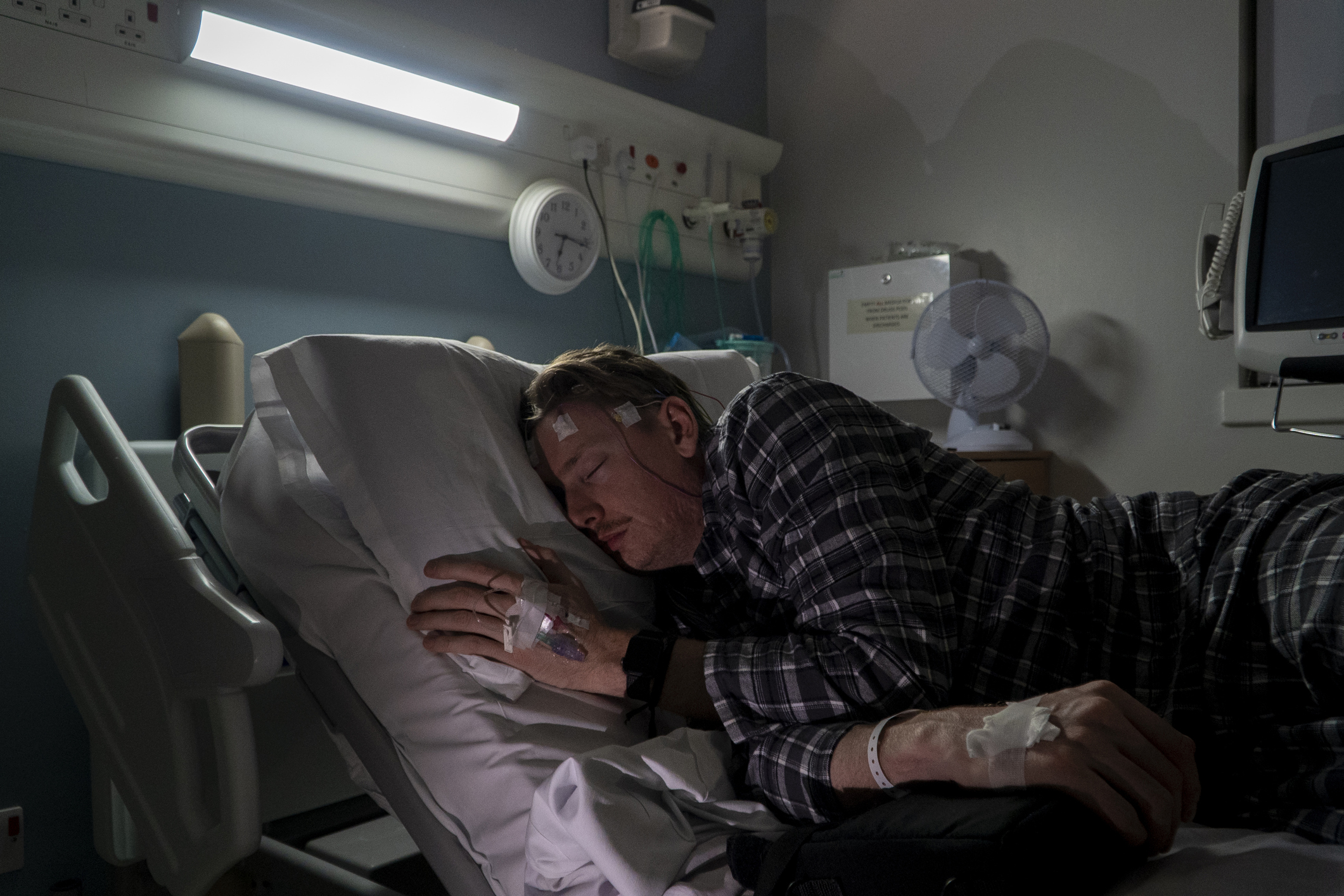
Most often, when you read a self-help book, or find an article on a new discovery that is being investigated, it stems from the author’s own challenge and the way in which they found their “cure”. And so it was for me as I found myself in the emergency room as a result of an abnormal EKG and aching pain in my heart. Unrelenting, “unusual” fatigue had brought me to my doctor’s office. I do have a chronic musculoskeletal condition that causes pain that is exhausting. I had travelled consecutively for 6 weeks and was “tired”.
All things considered, I was tired and my back hurt. Except that I was not recovering from the fatigue. And it was unusual fatigue. And then, there was the pain in my heart. I’ve never had that. But, I told myself, I have radiating intercostal pain from my back. Perhaps the travelling caused this. But no, this pain was different. And this exhaustion. It was, well, vital exhaustion, exactly as I described in my book. I thought, hmm? I could be having a heart attack. I considered the pain radiating from my neck into my jaw..but..I have cervical radiculopathy for years. And, the heartburn.
Well, I was traveling for weeks, eating out, you know, regular indigestion. This is what women do. Rationalize away our symptoms. Fortunately, my doctor mind won out and I knew I had to investigate this further. So, I made an appointment with my primary care doctor. I go once a year for bloodwork, am on no medication. I related my symptoms and he did an EKG. To my surprise, it was abnormal.
The long story I’ll save for my presentation, the short story is that it wasn’t taken seriously because it wasn’t a blocked artery and it didn’t have the signs of an acute MI. It was a slowed conduction. Nothing to worry about. Check in two weeks with a cardiologist was the recommendation. Never once was I asked anything about stress or lifestyle issues that could be contributing factors. Two days later, the aching pain in my heart and the vital exhaustion was too much to ignore. The short story is that I am alive, awake and aware. The long story is..I’m here to tell the story to the community of practitioners and to the women to whom knowledge and self care are vital.
My investigation into vital exhaustion and coronary heart disease in women was eye opening. I will relate here my top favorite study to “wet your whistle” and perhaps to stimulate you to begin thinking differently about the complaints of tired women in your office. The rest I will save for February.
Vital exhaustion is a risk indicator for myocardial infarction in women. A study tested the hypothesis that vital exhaustion (VE), a state characterized by unusual fatigue, increased irritability, and feelings of demoralization, precedes the onset of myocardial infarction (MI) in females. The measurement of vital exhaustion is the Maastricht Questionnaire, which I suggest be a mandatory questionnaire in every cardiologist’s office. The conclusions of this study corroborated the hypothesis that there was a relative risk associated with exhaustion. Here is the most significant finding: Exploratory analyses of the origins of exhaustion in the females showed that of all biographical characteristics, holding a job and simultaneously taking care of the household was most strongly associated with elevated exhaustion scores. That would include practically every woman in child-bearing and career age, a well as those also taking care of elderly parents, disabled/sick partner, and/or children.
Another study from the Copenhagen City Heart Study, Vital exhaustion increases the risk of ischemic stroke in women but not in men. Four hundred nine validated strokes occurred with the vital exhaustion score and the risk of stroke in women reaching a hazard ratio of 2.27 percent. There was no association between vital exhaustion score and stroke in men. Clearly, this is a women’s issue that demands immediate attention and focus.
The stage is set for our hearts and minds to formulate resolutions. I’ve identified and implemented some. I look forward to your sage and considered input at our educational and experiential 2019 Integrative Healthcare Symposium.
About the Author: CJ Weber

Also on Integrative Practitioner

Dental Danger: Signs of Sleep Breathing Disorders in children and Adults, Learn the Visual Clues
Non-Member Price: $30.00 Member Price: $18.00 – 40% Off for Members Only Add to Cart Presented by: Mark Breiner, DDS,...

Integrative and Comprehensive Approach to Inflammatory Bowel Disease
Non-Member Price: $30.00 Member Price: $18.00 – 40% Off for Members Only Add to Cart Presented by: Ronald Hoffman, MD,...

Measuring Biology vs. Symptomatology: The Fully Integrated Functional Wellness Program
Non-Member Price: $30.00 Member Price: $18.00 – 40% Off for Members Only Add to Cart Presented by: Dane Donohue, DC...

Change Your Genes, Change Your Life
Non-Member Price: $30.00 Member Price: $18.00 – 40% Off for Members Only Add to Cart Presented by: Kenneth Pelletier, PhD,...

Guided Imagery – Efficacious, Portable, Scalable, User-Friendly, Self-Administered
Non-Member Price: $30.00 Member Price: $18.00 – 40% Off for Members Only Add to Cart Presented by: Belleruth Naparstek, ACSW...