








Smartwatch-Based Sleep Tracking Takes a Leap Forward with Innovative AI Model
By Integrative Practitioner Staff
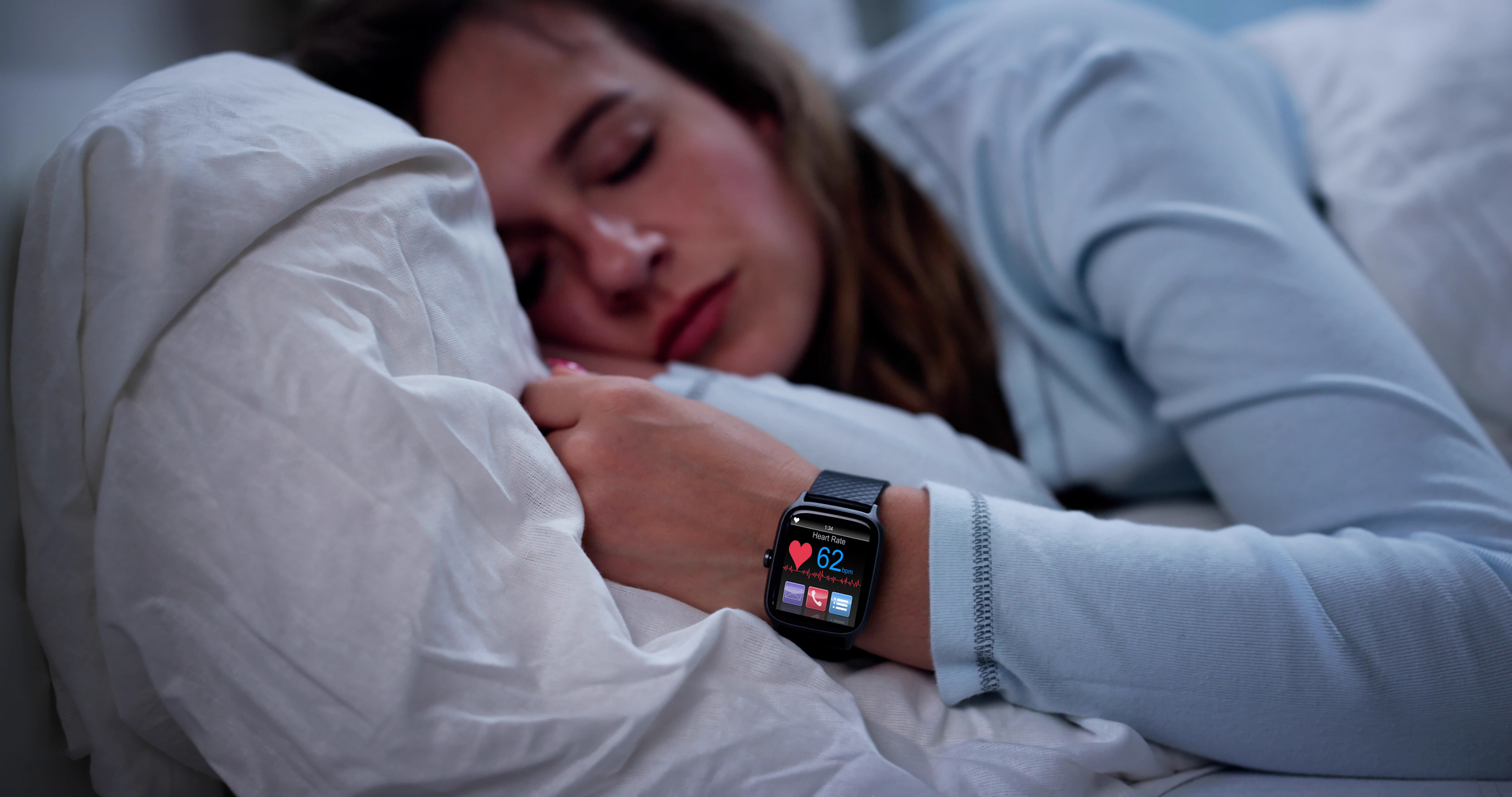
For decades, sleep science has lived at two extremes: simple logs that don’t provide enough information and polysomnography, a cumbersome overnight sleep study. But an artificial intelligence framework called BIDSleep may redefine what daily sleep monitoring can look like, turning an Apple Watch into a tool capable of distinguishing light, deep, and rapid eye movement (REM) sleep.
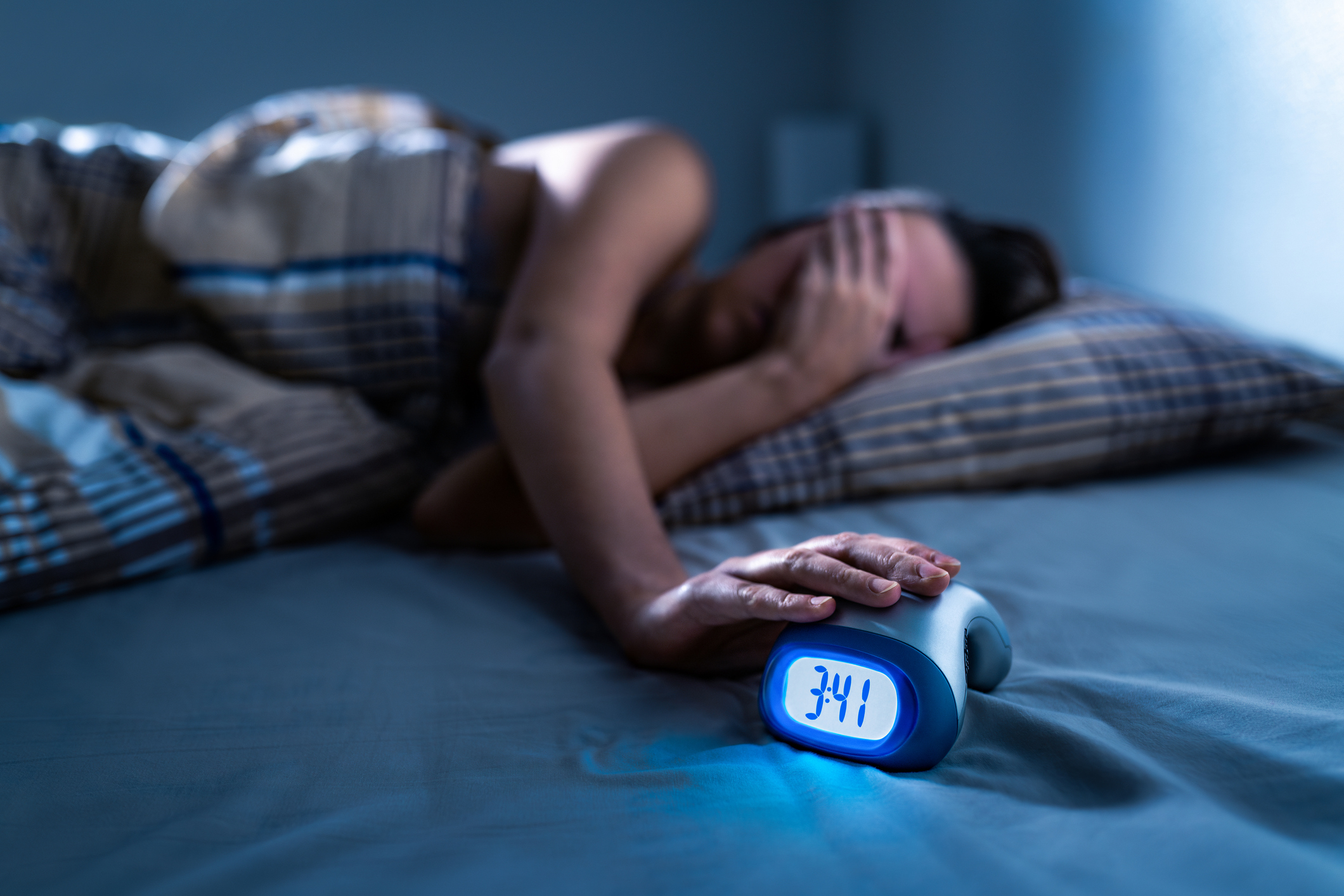
BIDSleep was engineered at the University of Massachusetts Amherst by a team led by Joyita Dutta, Ph.D., professor of biomedical engineering. The framework was created to fill a gap in patient care: an accessible, reliable way to measure how people truly sleep in their own homes. Human health is tied to sleep stages, and cycling through the stages is essential for physical and mental health. Disruptions can increase the risk of chronic disease, cognitive decline, and mood disorders—yet sleep patterns remain one of the least monitored aspects of routine health.
BIDSleep’s foundation is a long short-term memory deep learning model, a type of architecture designed for time-series data. The model analyzes instantaneous heart rate and wrist movement captured by the Apple Watch and then stages sleep 30 seconds at a time. In a study of 47 adults who wore an Apple Watch Series 6 alongside a Dreem 2 Headband for up to seven nights, the system accurately identified the correct sleep stage about 71% of the time—beating several established algorithms used in sleep research (IEEE Transactions on Biomedical Engineering, DOI: 10.1109/TBME.2025.3612158).
That performance matters for clinicians and patients navigating sleep disruption outside traditional clinical pathways. Polysomnography, considered the gold standard for sleep assessment, requires patients to sleep while connected to several sensors. By contrast, wrist-based wearables are unobtrusive and already woven into daily life. Though they may not have as much precision, they have better accessibility and can reach a wider population.
The team is now integrating portable EEG devices with the Apple Watch to build a multimodal view of sleep in real-world settings. They are also preparing follow-up studies that compare BIDSleep’s outputs directly with the Apple Watch’s native sleep features and examine how sleep metrics relate to cognitive changes over time. The app is now available in the Apple Store, the code has been posted publicly, and the dataset is being prepared for release.
To read the full story written by Deborah Borfitz, visit Diagnostics World News.
About the Author: Irene Yeh

Also on Integrative Practitioner

You Are What You Eat: Nutrition’s Impact on Mental Health
By Irene Yeh It is widely known that nutrition plays a crucial role in brain function, mood regulation, and overall...

AI is Here to Assist, Not Replace
By Irene Yeh As artificial intelligence (AI) continues to enter clinical spaces, there is an understandable concern around AI overtaking...

Are Psychedelics More Effective Than Antidepressants?
By Irene Yeh Psychedelic-assisted therapy (PAT) has gained a reputation as being more effective than traditional antidepressants (TAD) for treating...

No Bones About It: Treating Osteoporosis and Osteopenia
By Irene Yeh Osteoporosis and osteopenia are bone diseases that commonly affect women, especially if they are perimenopausal or postmenopausal....

Ancient Mushroom, Modern Medicine: Paul Stamets Says Agarikon Mycelium May Be Key to Fighting Viral Pandemics
By Allison Proffitt Paul Stamets has spent more than four decades in the forests of the Pacific Northwest, carefully prying...