








Top healthcare trends to watch in 2019
By Katherine Shagoury
As the New Year quickly approaches, we’re taking a closer look at the trends in integrative medicine that you’ll want to keep an eye on in 2019.
From the ketogenic diet adopted by top practitioners as the ideal protocol for optimal health, to cannabidiol becoming more readily available for the average consumer, to traditional healing methods taking center stage, it’s never been a more exciting time for integrative practitioners and wellness professionals.
Ketogenic Diet
The ketogenic diet popped up a couple of years ago and has been growing in popularity ever since. What started as an excuse to add butter and coconut oil to a cup of morning coffee has quickly grown to a protocol that top practitioners are recommending to reduce inflammation, prevent disease, and slow cognitive decline.
The idea behind the ketogenic diet is consuming high fat, adequate protein, and low carbohydrate to keep the body into a consistent state of ketosis, where the body burns fat instead of carbohydrates. Following this notion, savvy practitioners are recommending ketone supplements such as medium-chain triglyceride (MCT) oil, which readily form ketones in the human body that burn fat, reduce production of damaging free radicals, regulate inflammation and immune function, and protect the brain against trauma.
Practitioners argue a ketogenic diet low in processed grains and sugar is the key to optimal health, and we will likely see more practitioners recommend such protocols to patients next year. In fact, David Perlmutter, MD, FACN, ABIHM, has already added the ketogenic diet to his newly revised edition of “Grain Brain: The Surprising Truth about Wheat, Carbs, and Sugar—Your Brain’s Silent Killers.” We spoke with him about the ketogenic diet and how it can be beneficial for patients in a recent interview. Click here to read.
Cannabidiol
Cannabidiol (CBD) or CBD oil is no stranger in the integrative healthcare industry. However, with benefits from reducing anxiety to easing chronic pain, it’s safe to say CBD oil is here to stay.
This past June, the U.S. Food and Drug Administration (FDA) approved the first CBD drug to treat rare, severe forms of epilepsy. And with the passing of the 2018 Farm Bill, Congress essentially legalized hemp production with overwhelming support, opening new possibilities and the likelihood that CBD could be legalized or regulated by the FDA for prescription use.
CBD will likely have a big presence on the national political stage, but in patient practice regulation and acceptance are sure to make it easier for practitioners to incorporate in patient protocols.
Environmental Health
From toxins to climate change, the environment we live in plays a big role in our health and vitality. This past year was big for environmental health, with major climate reports and public health analyses revealing the increased risk for both infectious and chronic lifestyle-related diseases.
To that end, practitioners will have a growing role to play in advising patients on how to best prevent lifestyle-related diseases and combat environmental toxicants using known methods to develop as the conversation around public health increases.
Autoimmune Epidemic
Autoimmune diseases in the United States have reached epidemic proportions, and next year we can expect to make strides in both the research and clinical landscapes.
Experts are already attempting to untangle the various hypotheses around why autoimmune diseases exist, and we will start to see integrative practitioners take a more proactive approach with tactics such as predictive screenings and antibody tests, as well as addressing lifestyle factors such as nutrition and the environment.
TCM and Ayurveda
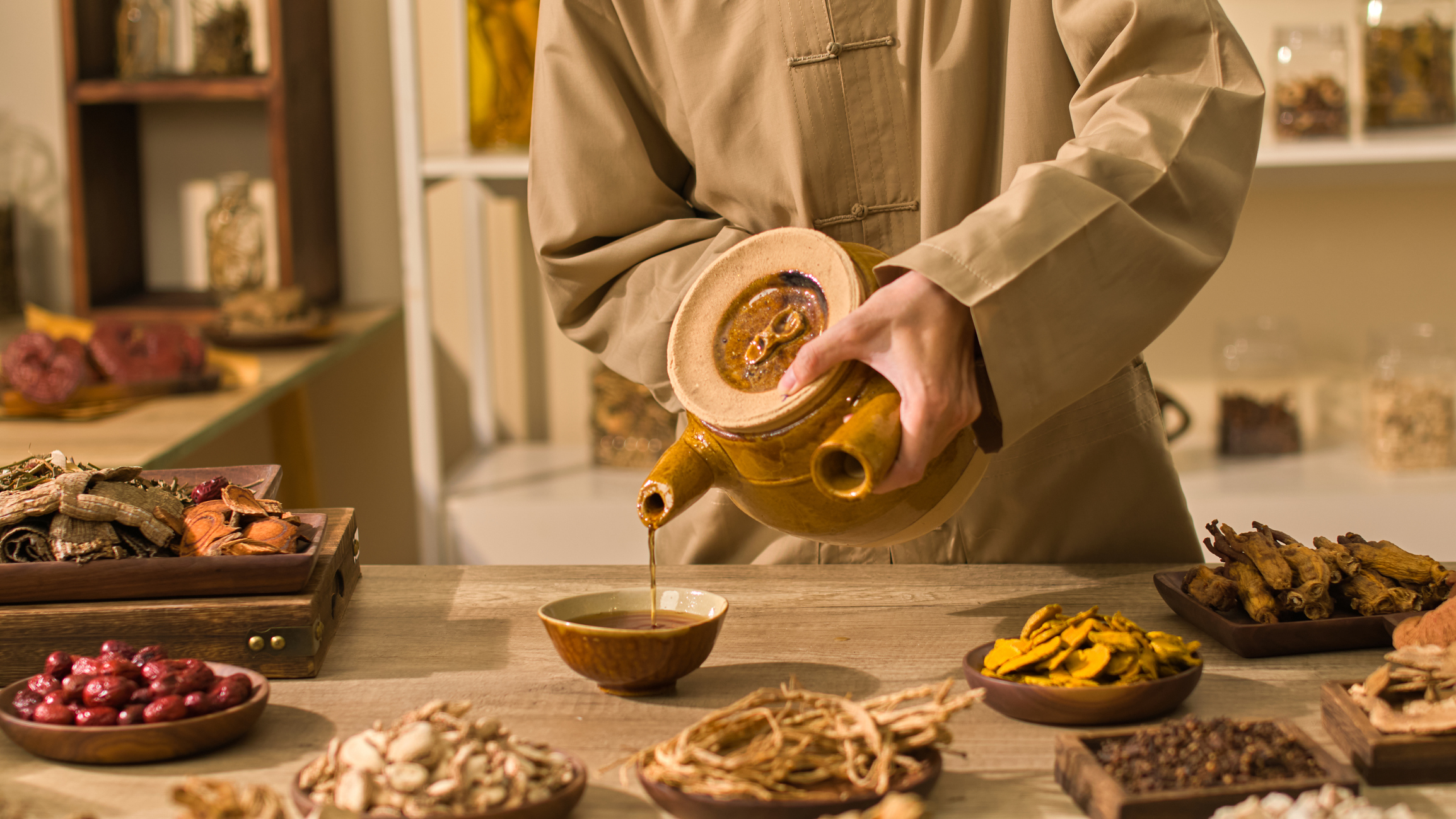
What’s old is new again as ancient healing methods become more prominent in mainstream health and wellness. Integrative practitioners have been expressing interest in Traditional Chinese Medicine (TCM) and Ayurveda, approaches that look at patients as unique individuals and use available resources to determine their needs. Using these methods, TCM and Ayurveda assign specific herbs, therapies, and dietary instructions that relate to their body and environment.
There is a certain art to mastering TCM and Ayurveda, so practitioners should not underestimate the delicate approach that must be taken to avoid over-prescribing or mixing improper elements. However, as traditional healing methods become more in-demand by consumers, practitioners can only benefit from educating themselves on and incorporating approaches from TCM and Ayurveda in to their practices.
Intermittent Fasting
The concept of fasting exploded in the health and wellness industry this year and will continue to grow in 2019. Integrative practitioners tout fasting supreme for losing weight, boosting mental clarity, and even reversing signs of aging, cognitive decline, and other chronic disease symptoms.
The most common fasting method is what some call the 16/8 method or the Leangains protocol—skip breakfast and restrict your daily eating window to 8 hours, such as 1 p.m. to 9 p.m. Other methods include fasting-mimicking diets, restricting calories and eating specific nutrients to achieve the same benefits of fasting.
Experts say fasting is ideal because it’s easy to implement and it’s free, so we can expect to see a lot more of intermittent fasting and fasting-mimicking diets next year.
Gut-Brain Axis
When we spoke with Robert Silverman on the Integrative Practitioner Podcast this year, he deemed the gut-brain axis as “the topic for 2019.”
We’ve heard a lot about the gut-brain axis over the years, the biochemical signaling that takes place between the gastrointestinal tract and the central nervous system. But next year we can expect to hear a lot more on how to repair and heal barriers between the gut and the brain to reduce inflammation, manage traumatic brain injuries, and prevent neurodegeneration.
Burnout and Self-Care
Over the past year, we’ve seen an overwhelming number of practitioners begin to recognize the importance of self-care and preventing burnout, compassion fatigue, and vital exhaustion. This conversation will only continue in 2019 as we learn how to address and manage symptoms of burnout among practitioners, including cases where it has led to development of chronic disease.
Creating of resilience, promotion of wellbeing, and cultivation of joy will be top-of-mind in burnout and self-care discussions this year.
About the Author: CJ Weber

Also on Integrative Practitioner

Dental Danger: Signs of Sleep Breathing Disorders in children and Adults, Learn the Visual Clues
Non-Member Price: $30.00 Member Price: $18.00 – 40% Off for Members Only Add to Cart Presented by: Mark Breiner, DDS,...

Integrative and Comprehensive Approach to Inflammatory Bowel Disease
Non-Member Price: $30.00 Member Price: $18.00 – 40% Off for Members Only Add to Cart Presented by: Ronald Hoffman, MD,...

Measuring Biology vs. Symptomatology: The Fully Integrated Functional Wellness Program
Non-Member Price: $30.00 Member Price: $18.00 – 40% Off for Members Only Add to Cart Presented by: Dane Donohue, DC...

Change Your Genes, Change Your Life
Non-Member Price: $30.00 Member Price: $18.00 – 40% Off for Members Only Add to Cart Presented by: Kenneth Pelletier, PhD,...

Guided Imagery – Efficacious, Portable, Scalable, User-Friendly, Self-Administered
Non-Member Price: $30.00 Member Price: $18.00 – 40% Off for Members Only Add to Cart Presented by: Belleruth Naparstek, ACSW...