










You Are What You Eat: Nutrition’s Impact on Mental Health
By Irene Yeh
It is widely known that nutrition plays a crucial role in brain function, mood regulation, and overall mental health. Certain nutrients can aid in the synthesis of hormones in the brain, and the quality of the food consumed can affect inflammation, which also influences brain health.
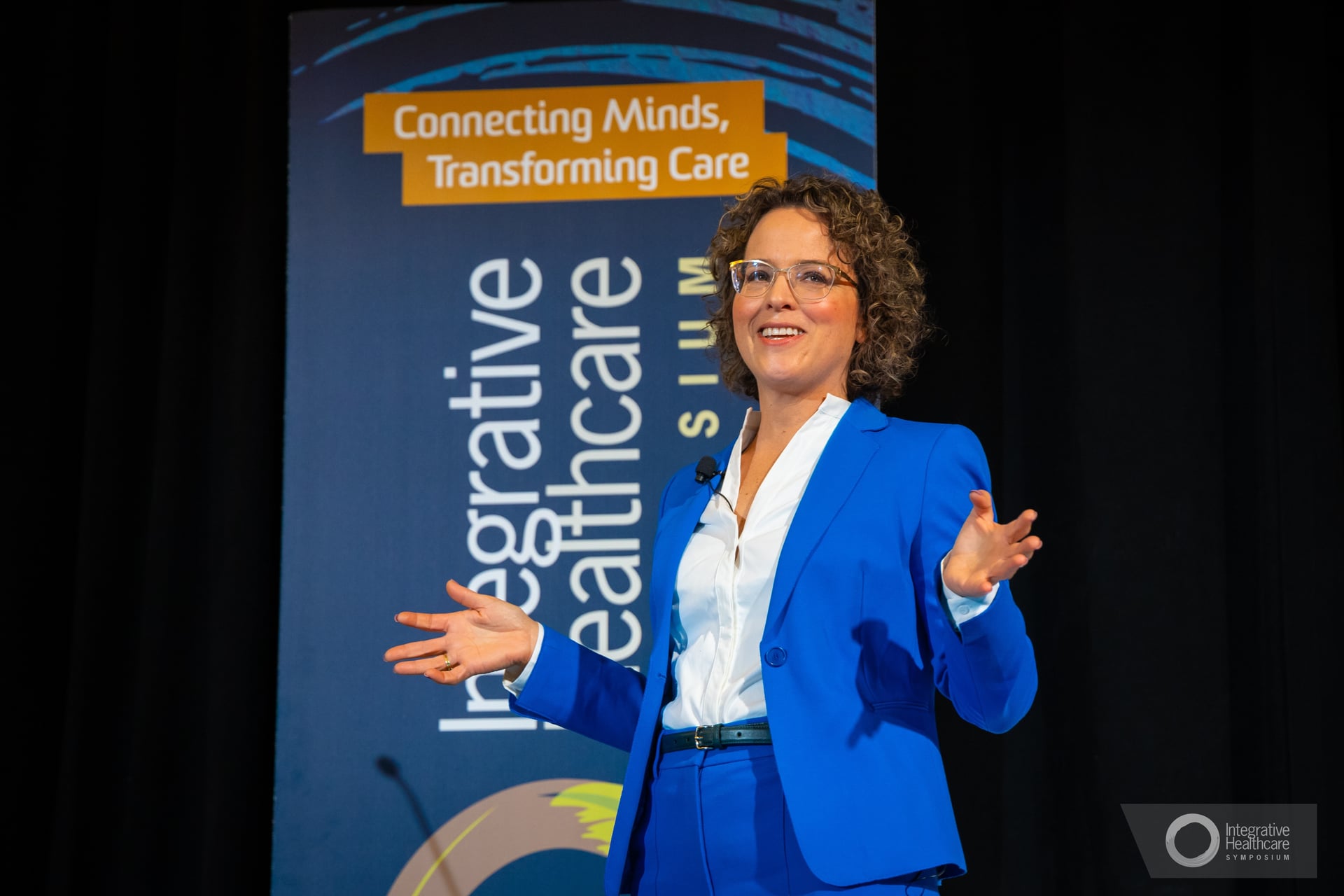
During February’s Integrative Healthcare Symposium, Everest Goldstein, M.Ed, MSN, PMHNP-BC, IFMCP, founder of Everest Functional Psychiatry and Wellness; Evergreen Functional Collective, presented an extensive rundown of foods and supplements to enhance mental health and how to integrate nutritional psychiatry for patient treatment plans. The presentation was designed to educate healthcare professionals, mental health providers, and other practitioners on optimizing brain health through nutrition.
Medications Are Not Enough
“I believe wholeheartedly that every patient is a mental health patient,” said Goldstein. She discussed how conventional psychiatry is “a little behind the curve” because of its rigid adherence to the DSM-5, the reference manual that helps psychiatrists and other mental health professionals with mental health diagnoses. This can limit the scope of treatment for patients. For example, if a patient is diagnosed with depression, they are given first-line treatment, which is usually an antidepressant. That patient may not react well to the antidepressant, so they are given second-line treatment—a different antidepressant. The process repeats itself through various antidepressants.
To Goldstein, this is not addressing the root of the issue. “What else is going on? Why do you have these symptoms of depression? Not just the diagnosis of depression, but why do you have the symptoms of lower mood, irritability, and insomnia?”
She also pointed out that the Sequenced Treatment Alternatives to Relieve Depression (STAR-D) Trial, a major large-scale National Institute of Mental Health-funded study designed to determine the best next-step treatments for patients with major depressive disorder that did not respond to initial medication, found that 50% of responders who responded positively to antidepressants experienced relapse within a year. Around 25% of those who took antidepressants experienced a long-term rate of remission, with full recovery being even lower.
“Antidepressants can be a great tool,” Goldstein stated. “But if all we’re doing is using antidepressants, we’re failing all those people who are not being helped. We need to use different methods in addition to [antidepressants] to really help support the body and help these medications work better.”
This is where functional psychiatry can go further. Functional psychiatry addresses the root causes of mental illness, such as diet, lifestyle, and hormone and gut health, rather than using only drugs as treatment.
The Role of Nutrition and Diet
Nutrition and diet play a bigger role than one may think when it comes to improving mental health. Goldstein listed nutritional supplements and dietary changes that can help patients with depression and anxiety and explained how they influence the brain and mental wellbeing of patients.
- Vitamin D
Low Vitamin D levels can cause fatigue and frequent illnesses, and though the standard optimal range is 30 to 60 ng/mL, Goldstein suggests vitamin D levels at 60 to 100 ng/mL for patients to really feel better. She also stressed that vitamin D is a fat-soluble vitamin, meaning that it needs to be consumed with some sort of fat to be absorbed properly.She also noted that low vitamin D levels correlate with higher risk of depression and suicidality. If a patient is experiencing these thoughts, she recommended checking their vitamin D levels.
- Vitamin B and MTHFR Gene Variations
Low levels of vitamin B12 lead to a 70% increased rate of risk of depression. Vitamin B12 is critical for the body’s production of ATP, the cellular energy produced in the mitochondria. Goldstein also mentioned a variation in a gene called MTHFR, a methylation gene. If a patient struggles with mental health, it could mean that they have trouble methylating, or converting, B vitamins into their usable forms.“When supplementing B vitamins, I usually use a methylated B complex,” said Goldstein. “And if they have that genetic variation, especially if they have depression or anxiety, I’ll add some extra L-methylfolate.”
There is also a small, rare group of people who have a variation of MTHFR and a slowed variation of the COMT gene that can cause anxiety when taking in vitamin B. Those who have these variations are recommended to take B vitamins in the first half of the day.
- Zinc and Copper
Zinc plays a crucial role in anxiety management, as it modulates the glutamine-GABA pathway. Zinc also increases brain-derived neurotrophic factor, which acts as a “fertilizer” for the brain, helping with neuroplasticity and reducing depression and anxiety. Low zinc levels correlate with more depression, anxiety, and irritability. Too much zinc can deplete copper levels, however, which can lead to cognitive and memory issues, so it is recommended to test zinc red blood cell levels.
- Omega-3 Fatty Acids
A high-quality supplement of omega-3 fatty acids can greatly benefit patients with depression and anxiety, as well as ADHD, autism, and traumatic brain injury. Fatty fish, such as salmon, mackerel, anchovies, sardines, and herring, are recommended for their high levels of omega-3 fatty acids. Additionally, two grams of EPA and DHA daily taken with food (to prevent oxidization) is particularly important for depression.
- Magnesium
The majority of the U.S. population is deficient in magnesium, yet it is needed for over 300 functions in the body. This mineral is a “game changer” for headaches, mood, anxiety, ADHD, pain, and neuromuscular issues. It also helps with vitamin D synthesis and ATP. Goldstein particularly recommended magnesium glycinate, as it helps with sleep and anxiety, as well as cognition and ADHD. Magnesium L-threonate is another good option as it can cross the blood brain barrier. One way to take magnesium is also through Epsom salt baths, as soaking it through the skin is an efficient way of absorbing magnesium. There are many types of magnesium, and Goldstein emphasized being “very intentional” when telling patients which one to take. - Amino Acids and Neurotransmitter Production
Amino acids are the building blocks for neurotransmitters, such as serotonin and dopamine, which help with depression, anxiety, and ADHD. Amino acids are found in complete proteins, and while incomplete proteins still have their benefits, they do not allow the body to use all the essential amino acids.“People who are vegan or vegetarian [do not] get a lot of complete proteins in their diet,” Goldstein stated. This is not meant to discourage vegan and vegetarian diets. However, it is a deficiency that can occur and must be addressed accordingly. Collagen is often used as supplement for those that are on these diets, but it is still not a complete protein. It is also deficient in L-tryptophan, the precursor to serotonin. When the body does not produce enough serotonin, depression and anxiety increase.
- Lithium
Lithium, a mineral found in water, can be prescribed as lithium carbonate to treat bipolar disorder and suicidality. Lithium carbonate comes in much higher doses of lithium that can be very effective for many people, but Goldstein does not recommend it as a medication for patients who are “a little sad” and just want to “optimize” their mental health. Instead, she recommends lithium in small doses as a supplement in the form of lithium orotate for patients struggling with irritability, ADHD, and depression. In fact, she showed a map of lithium levels in water illustrating that areas with lower lithium have higher rates of mental health conditions. - Diet
Goldstein recommended the Mediterranean diet as a broad and whole foods-based diet that can greatly benefit patients with depression and anxiety. It offers a variety of fruits and vegetables, of which the fiber can feed the bacteria in a healthy gut microbiome, and leaner proteins, which are considered anti-inflammatory. It also has fish, which has omega-3 fatty acids, as well as healthy fats in olive oil, nuts, and seeds. The diet is also great for stabilizing blood sugar and insulin levels.“This is a great, well-rounded diet, and it’s broad enough where people can modify it to their needs,” Goldstein explained.
She also recommended the ketogenic diet, a 4:1 fat to nonfat ratio-based diet. The point is to get the body to a state of ketosis, where the body produces ketones for fuel instead of using glucose. The keto diet can provide cognitive clarity and improved focus for some people, and that is because ketones can cross the blood-brain barrier. Ketones also happen to be the brain’s preferred version of energy.
“I do want to emphasize that it’s not just, ‘Let’s eat whatever fat we want and call it a day,’” Goldstein warned. Consuming unhealthy fats, such as fried foods cooked in unhealthy oils, can cause inflammation. If following the keto diet, Goldstein recommended consuming healthy fats, such as olive oil, coconut oil, fatty fish, nuts, seeds, and avocados.
Additionally, the keto diet has shown improvements for patients with psychotic type features, such as bipolar disorder and schizophrenia. The keto diet can be physically strenuous and difficult for some people to stick to. As such, exogenous ketones can be used. The body will use up the exogenous ketone first before glucose. It is recommended that these exogenous ketone supplements be taken on an empty stomach or with protein or fats.
- Psychobiotics
Psychobiotics are probiotic strains that can impact mental health by influencing the body’s ability to make neurotransmitters, reducing inflammation, and affecting cortisol levels and HPA axis function. Bifidobacterium longum 1714 is particularly a key psychobiotic strain for mental health applications. Goldstein anticipates more information to emerge from this field in the next few years. Probiotic selection should also be personalized based on stool testing results instead of universal recommendations.
Other Things to Look Out For
Goldstein encouraged the audience to look into a patient’s past lab tests and results to gain a better understanding of the kinds of nutritional supplements they may need. She also stated that the normal reference ranges are not always optimal and may be skewed. “Everybody has different lab patterns from their personal self,” she added.
Sugar and refined carbohydrates are known to cause inflammation in the brain, thus leading to depression and cognitive issues, including dementia. Particularly, processed sugar can decrease neuroplasticity in the brain and increase cortisol levels. It can also cause brain fog and insomnia, as well as decrease the availability of B vitamins. Incidentally, as inflammation can influence depression and anxiety, anti-inflammatory herbs, such as turmeric, and fish oil can help decrease inflammation.
It is also important to stabilize blood sugar levels in order for the brain to function better. Small spurts of exercise, such as a 10-minute walk or doing a few chores around the house after a meal can shunt glucose into the muscle cells and out of the blood stream. Goldstein also recommended consuming food in a particular order to help slow digestion and absorption. For instance, eating high-fiber foods such as vegetables first, followed by proteins, and then carbs can prevent blood sugar spikes compared to if carbs were consumed first.
The gut-brain axis also plays a role in mental health. The gut and brain maintain constant bidirectional communication through various pathways. Patients with depression show increased intestinal permeability, or leaky gut, which leads to more food sensitivities. They also experience dysbiosis, an imbalanced microbiome, elevated inflammatory markers, and higher rates of irritable bowel syndrome.
“I want to put a quick note that antidepressants are also impacting our gut health,” Goldstein said. She explained that about 95% of serotonin receptors are in the gut, and when a patient takes an SSRI, for example, the medication is going to most, if not all of the body’s serotonin receptors. In addition, one of the most common side effects of antidepressants is GI distress.
“Again, not to say that antidepressants are bad … but I like to say, if somebody is on antidepressants, we want to also be thinking about gut health,” added Goldstein.
The five R gut health protocol is also something to consider.
- It begins with the removal of pathogens, stressors, irritants, and problematic foods such as gluten (for celiac patients).
- The next step is replacing missing nutrients with supplementation or diet and supporting natural digestion with enzymes or mindful eating practices.
- Re-inoculate is the third step, which is adding beneficial bacteria via prebiotics and probiotics.
- The fourth step is the repair phase that focuses on healing gut lining with targeted interventions.
- The final step is rebalance, which highlights lifestyle factors, including stress management, sleep, and sustainable movement.
The right nutrition and diet can improve a patient’s mental health significantly. By making the effort to dig deeper into lab work, nutritional history, and lifestyle, practitioners can create a more personalized approach when developing treatment plans for their patients instead of just relying on antidepressants to address the problem.
“We need to be addressing mental health from that holistic, nutrient, inflammatory gut health perspective to really make an impact on our clients, whether they are mental health patients or patients with different physical health conditions,” Goldstein said.
About the Author: Irene Yeh

Also on Integrative Practitioner

AI is Here to Assist, Not Replace
By Irene Yeh As artificial intelligence (AI) continues to enter clinical spaces, there is an understandable concern around AI overtaking...

Are Psychedelics More Effective Than Antidepressants?
By Irene Yeh Psychedelic-assisted therapy (PAT) has gained a reputation as being more effective than traditional antidepressants (TAD) for treating...

No Bones About It: Treating Osteoporosis and Osteopenia
By Irene Yeh Osteoporosis and osteopenia are bone diseases that commonly affect women, especially if they are perimenopausal or postmenopausal....

Ancient Mushroom, Modern Medicine: Paul Stamets Says Agarikon Mycelium May Be Key to Fighting Viral Pandemics
By Allison Proffitt Paul Stamets has spent more than four decades in the forests of the Pacific Northwest, carefully prying...
The GLP-1 Era: It’s More Than Just Weight
By Irene Yeh The healthcare industry has a weight problem—a weight bias problem, according to Ashley Koff, RD, founder of...