








Geography Matters for Infant Gut Microbiome
By Integrative Practitioner Staff
When it comes to the human microbiome, modern life may be out of sync with ancient biology. “Our bodies are beautifully designed for a world that no longer exists,” says Trevor Lawley, Ph.D., senior group leader of the Host-Microbiota Interactions Lab at the Wellcome Sanger Institute. The trillions of microbes that colonize the gut evolved alongside high-fiber, plant-based diets, which are now dramatically altered by processed foods, antibiotics, formula feeding, and rising Caesarean-section rates.
Now, a sweeping global atlas of infant gut bacteria published in Cell (DOI: 10.1016/j.cell.2026.01.007) is challenging long-standing assumptions in the probiotic industry. The study maps the global diversity of two keystone infant microbes—Bifidobacterium longum and the rapidly disappearing Bifidobacterium infantis—and lays the groundwork for geographically tailored probiotics designed to better reflect local diets and evolutionary history.
At the center of the findings is B. infantis. Once common worldwide, the bacterium is now largely absent in infants in Western Europe and North America but remains prevalent in parts of Africa and South Asia. Commercial infant probiotics, Lawley notes, are strikingly uniform: most derive from a strain isolated from a single German infant in 1940. Despite being marketed under different names, they are essentially clonal.
The new atlas reveals that this one-size-fits-all approach misses enormous genetic diversity. Researchers identified 36 clades of B. infantis grouped broadly by region—Europe, North America, West Africa, East Africa, and Asia—each reflecting adaptation to local diets and breast milk composition. “We can look at the genomes of these bugs from each region and predict what the local diet is,” Lawley says.
Functionally, B. infantis is uniquely equipped to metabolize components of breast milk that other microbes cannot. Among its conserved gene clusters are those that break down urea, potentially recycling nitrogen into amino acids to support infant muscle growth. It also establishes B vitamins, which are critical for infant neural development, and participates in c processing—essential for neuronal membranes.
The disappearance of this microbe in Western infants may have long-term consequences. Babies delivered by C-section—now more than 25% of births in the U.S. and U.K., and about 60% in Colombia—are more likely to acquire hospital-associated microbes such as Enterococcus faecalis rather than beneficial bifidobacteria. A 2024 study in Nature Microbiology (DOI: 10.1038/s41564-024-01804-9) found that early microbial “priority effects” help determine which ecosystem takes hold in the infant’s gut, shaping immune and metabolic development.
The atlas also underscores geopolitical challenges. More than 100 countries have ratified the Nagoya Protocol governing fair access and benefit-sharing of genetic resources, which has set up “hidden invisible barriers” to synchronization. The overarching message is both scientific and societal: geography, diet, and early-life microbial exposures matter. If modern lifestyles have disrupted an ancient partnership between mothers, babies, and microbes, rebuilding it may require a fundamental reorganization of probiotics.
To read the full story written by Deborah Borfitz, visit Bio-IT World.
About the Author: Irene Yeh

Also on Integrative Practitioner

AI is Here to Assist, Not Replace
By Irene Yeh As artificial intelligence (AI) continues to enter clinical spaces, there is an understandable concern around AI overtaking...

Are Psychedelics More Effective Than Antidepressants?
By Irene Yeh Psychedelic-assisted therapy (PAT) has gained a reputation as being more effective than traditional antidepressants (TAD) for treating...
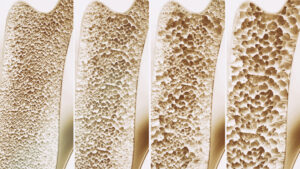
No Bones About It: Treating Osteoporosis and Osteopenia
By Irene Yeh Osteoporosis and osteopenia are bone diseases that commonly affect women, especially if they are perimenopausal or postmenopausal....

Ancient Mushroom, Modern Medicine: Paul Stamets Says Agarikon Mycelium May Be Key to Fighting Viral Pandemics
By Allison Proffitt Paul Stamets has spent more than four decades in the forests of the Pacific Northwest, carefully prying...
The GLP-1 Era: It’s More Than Just Weight
By Irene Yeh The healthcare industry has a weight problem—a weight bias problem, according to Ashley Koff, RD, founder of...