





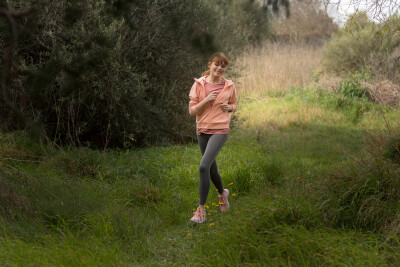


A whole-person approach to self-care
By Wendy Pecoraro, MSN, APRN
The word “integrative” is derived from the Latin root integrare, meaning to make whole. While I didn’t realize during my 20 years in the emergency department and intensive care unit, the wholeness of my patients and myself were never the focus.
I worked long, strenuous hours, often experiencing untreated vicarious trauma, that I, along with those around me, saw as a badge of honor. We coped by using dark humor and potluck buffets of high-carbohydrate, high-fat, high-salt food. My days off were spent making up for 12-hour days away from home and catching up on sleep. Looking back, I was in a perpetual state of exhaustion, flirting with burnout.
I knew this lifestyle wasn’t sustainable. Then, in March 2013, I had the opportunity to attend a lifestyle medicine conference. To say those two days changed my life is an understatement. Edward Phillips, MD, presented data on the current and projected states of health in America that were startling, not just because of the sheer numbers but because of the relatively simple interventions that could mitigate an otherwise somber collective future.
It quickly became apparent that our hospital lacked the proper program to support the wellbeing of our staff, and the patients I cared for could benefit from lifestyle intervention long before they came in to see me. Through 2015, I implemented two successful pilot programs of a whole person approach to mindful eating, gentle but consistent exercise, and stress reduction and mindfulness, which inspired me to follow my dream of joining an integrative healthcare practice.
I had patients in the wellness program, and still have some today, who come back to me reluctant. They’re worried that I’m going to judge them for their lack of follow-through. I’ve tried multiple shame-based programs in my life. I know they don’t work. The data shows they don’t work. Support, mindful eating, play, creativity, enjoyable movement, acceptance and knowledge about food, and cooking do work. Love, of self and others, works. I’ve found the keys to my self-love practice and I know for sure that my life flows so much better when I honor them.
Morning Rituals
Before looking at a phone or computer:
- Wake up earlier. I’m not a morning person. Not even close. I’ve found, though, that if I wake up by 6 a.m., I can enjoy the sunrise in unrushed silence.
- Sun Salutation. This yoga practice takes less than 10 minutes. I move through the sequence to welcome the day.
- Set in an intention for the day. What’s my focus? What do I want to accomplish? Am I doing what I want to do today?
- Gratitude Practice. I’ve done this for years: write down three unique words of gratitude daily kept on folded papers in a big jar to read aloud on Thanksgiving.
- Journaling. Sometimes this looks like morning pages or brainstorming, and sometimes it’s a list. Clearing my head is a great way to start the day with a clean slate.
- Meditation. I use the Insight App. I do better with guided meditation, five minutes or up to one hour, depending on how I feel that day and the time I have available. Making time for a short meditation at lunch, as well, can increase my focus for the remainder of the day.
Work Movement Into Your Schedule
After a hip injury derailed my running, I’ve had difficulty getting a regular exercise program going. To motivate my patients and me, I developed a group walk on Saturday mornings at 8 a.m. on a public trail by our clinic called “Walk for the Health of It,” followed by our regular 9:15 a.m. yoga class. I need more movement, but for now, I use a standing desk and walk the halls of the clinic a couple of times a day.
Connect with Friends and Family
Connection is why we’re here and often it was the last priority for me in my effort to fit everything into my schedule. Now, I spend Sundays with my six-year-old granddaughter, followed by family dinner for the whole crew. My friends and I have committed to an outing once a month and a quarterly themed dinner we cook together at one of our homes. If we don’t schedule time, we all lose track of one another.
Eat Food that Doesn’t Hurt
This was my New Year’s intention this year. It seems obvious but it’s surprisingly rare in our processed, fast food culture. Eating food that doesn’t hurt makes movement easier, digestion more comfortable, sleep more restful, and my thinking more focused.
Whatever self-love you choose to practice, make it enjoyable and naturally incorporate it into the flow of your days. Take gentle care of yourselves and you will be able to take better care of your patients.
Editor’s note: This article is part of a series celebrating Self-Care Awareness Month. Click here to view the complete collection.
About the Author
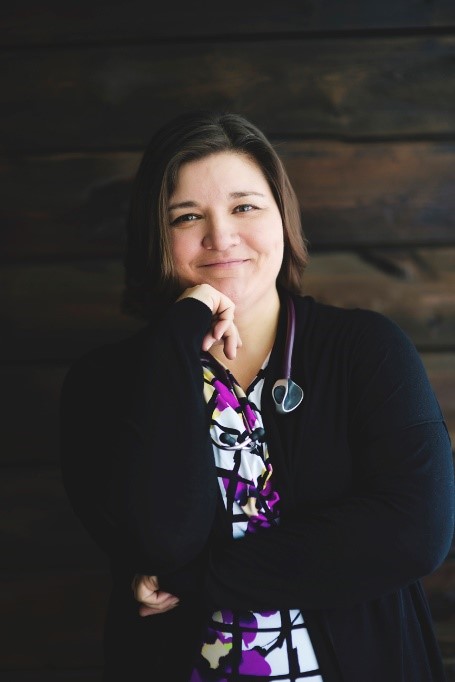 Wendy Pecoraro has been a family nurse practitioner for over 20 years. She has worked in an urban emergency department for most of that time. Her practice in integrative care started to emerge in 2010, after attending multiple conferences through Harvard’s Institute of Lifestyle Medicine. It soon became apparent that most of her emergency department patients could have used some degree of lifestyle modification long before she saw them. In her last couple of years with the hospital, Wendy proposed and piloted a comprehensive wellness program for the employees, while attending Methodist College for a post master’s certificate in Wellness and Health Promotion.
This experience and education, along with a passion to care for the whole person, evolved into a natural partnership with Omaha Integrative Care. Pecoraro’s practice is based on the integrative care model, an approach that addresses the full range of physical, emotional, mental, social, spiritual, and environmental influences that affect a person’s health. Treatments that are natural and less invasive are used whenever possible. Health promotion and prevention of illness are at the forefront of this patient, family, and community-centered practice.
Pecoraro carries a commitment to the trauma-informed care model with her from her days in the emergency department and has an affinity for that population. She has additional training in centering healthcare and provides group visits for those patients living with chronic disease states. She is working toward certification in Lifestyle Medicine through the American College of Lifestyle Medicine. She is a Subject Matter Expert for the Integrative Practitioner. She enjoys grand mothering, gardening, and the great outdoors.
About the Author: CJ Weber

Also on Integrative Practitioner

Measuring Biology vs. Symptomatology: The Fully Integrated Functional Wellness Program
Non-Member Price: $30.00 Member Price: $18.00 – 40% Off for Members Only Add to Cart Presented by: Dane Donohue, DC...

Integrative and Comprehensive Approach to Inflammatory Bowel Disease
Non-Member Price: $30.00 Member Price: $18.00 – 40% Off for Members Only Add to Cart Presented by: Ronald Hoffman, MD,...

Dental Danger: Signs of Sleep Breathing Disorders in children and Adults, Learn the Visual Clues
Non-Member Price: $30.00 Member Price: $18.00 – 40% Off for Members Only Add to Cart Presented by: Mark Breiner, DDS,...

Dietary Needs of the Cognitively Impaired
Non-Member Price: $30.00 Member Price: $18.00 – 40% Off for Members Only Add to Cart Presented by: Laura Rokosz, PhD...
Lifestyle Choices Chart Your Brains Destiny
Non-Member Price: $30.00 Member Price: $18.00 – 40% Off for Members Only Add to Cart Presented by: David Perlmutter, MD,...