





Matcha tea may reduce anxiety, study says
By Katherine Shagoury
Drinking Matcha tea powder and extract have the potential to reduce anxiety, according to a new study published in the Journal of Functional Foods.
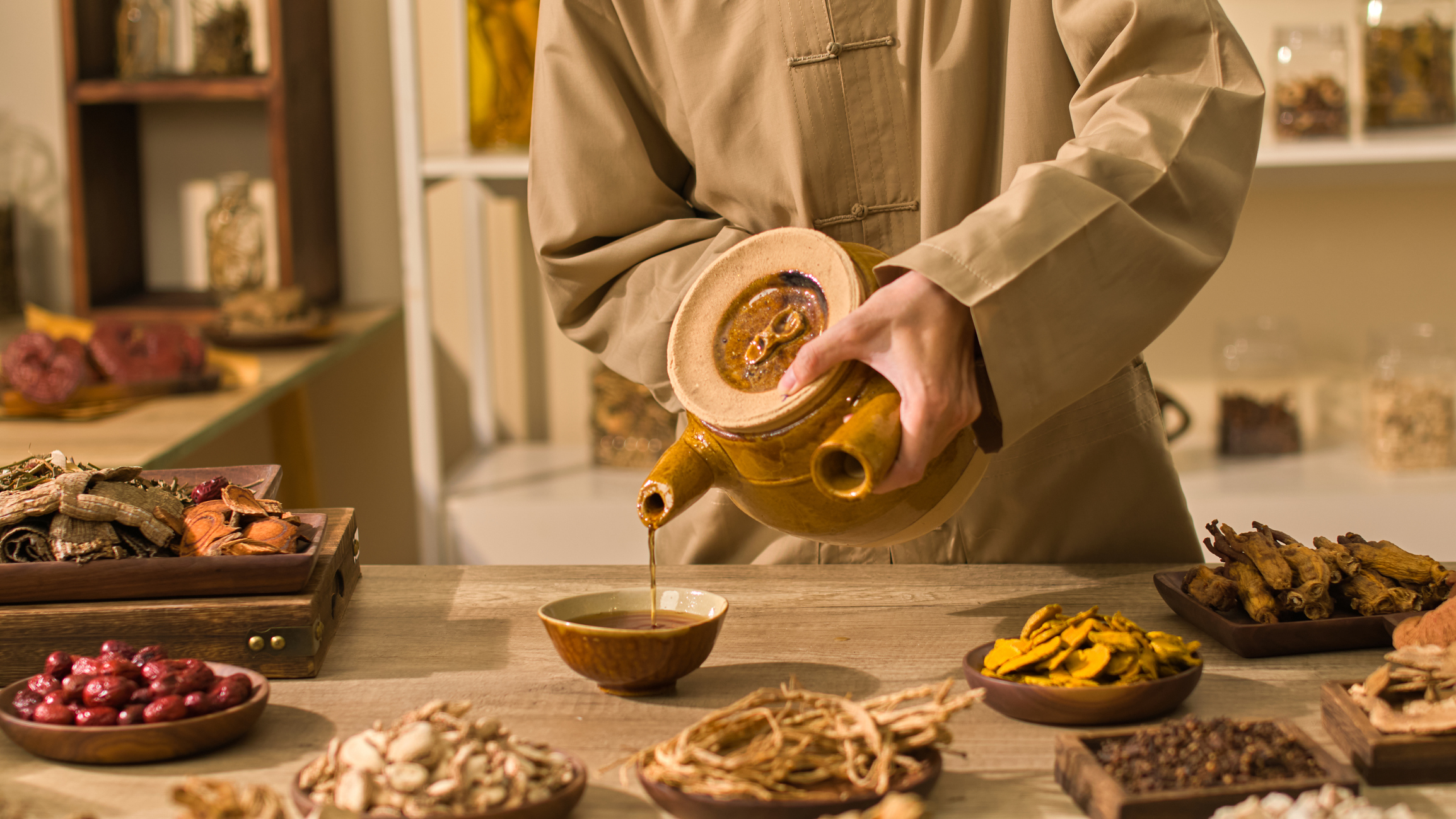
Matcha is the finely ground powder of new leaves from shade-grown Camellia sinensis green tea bushes. In Japan, historical medicinal uses for Matcha included helping people relax, preventing obesity, and treatment of skin conditions.
In the study, led by Yuki Kurauchi, PhD, researchers from Kumamoto University used the “elevated plus maze” test, an elevated, plus-shaped, narrow platform with two walled arms that provide safety for the test subject, typically a mouse. It is used as an anxiety test for rodents with the idea that animals experiencing higher anxiety will spend more time in the safer walled-off areas.
Using this test, researchers found that mouse anxiety was reduced after consuming Matcha powder or Matcha extract. Its calming effects appear to be due to mechanisms that activate dopamine D1 receptors and serotonin 5-HT1A receptors, both of which are closely related to anxious behavior, researchers said in the study abstract.
In addition, when the anxiolytic activity of different Matcha extracts were evaluated, a stronger effect was found with the extract derived using 80 percent ethanol in comparison to the extract derived from only hot water. A poorly water-soluble Matcha component has stronger anxiolytic effects than a component that is easily soluble in water, researchers said. A behavioral pharmacological analysis further revealed that Matcha and Matcha extracts reduce anxiety by activating dopamine D1 and serotonin 5-HT1Areceptors.
“Although further epidemiological research is necessary, the results of our study show that Matcha, which has been used as medicinal agent for many years, may be quite beneficial to the human body,” said Kurauchi. “We hope that our research into Matcha can lead to health benefits worldwide.”
About the Author: CJ Weber

Also on Integrative Practitioner

Dental Danger: Signs of Sleep Breathing Disorders in children and Adults, Learn the Visual Clues
Non-Member Price: $30.00 Member Price: $18.00 – 40% Off for Members Only Add to Cart Presented by: Mark Breiner, DDS,...

Integrative and Comprehensive Approach to Inflammatory Bowel Disease
Non-Member Price: $30.00 Member Price: $18.00 – 40% Off for Members Only Add to Cart Presented by: Ronald Hoffman, MD,...

Measuring Biology vs. Symptomatology: The Fully Integrated Functional Wellness Program
Non-Member Price: $30.00 Member Price: $18.00 – 40% Off for Members Only Add to Cart Presented by: Dane Donohue, DC...

Change Your Genes, Change Your Life
Non-Member Price: $30.00 Member Price: $18.00 – 40% Off for Members Only Add to Cart Presented by: Kenneth Pelletier, PhD,...
Guided Imagery – Efficacious, Portable, Scalable, User-Friendly, Self-Administered
Non-Member Price: $30.00 Member Price: $18.00 – 40% Off for Members Only Add to Cart Presented by: Belleruth Naparstek, ACSW...