









Six herbs for mental resilience
By Lisa Akers
The busy holiday season can leave even the most health-conscious person feeling burned out. With the addition of parties, events, decorating, and gift buying, an already full schedule can tip into overload.
Not only is the busyness physically challenging, it is emotionally draining. Rest is important, but often in short supply during this hectic season. Support mental resilience with a soothing cup of tea or a delicious holiday dish. These six herbs offer brain-boosting properties and the respite of a few moments to savor the beauty of holiday decorations, family and friends, and cozy fireplaces.
Betony (Stachys officinalis)
Betony is plant in the mint family. Like all mint family plants, betony is a calming nerve tonic. This special mint has an affinity for all things related to the head. It calms an overactive mind, eases anxiety and tension, and relieves headaches. Betony also has the notable characteristic of strengthening the gut-brain connection, encouraging intuition, “gut-feelings,” and grounding the airy, floaty feeling sometimes associated with mental fatigue.
Betony has been studied as effective for managing seizure activity in people with epilepsy and reducing the frequency of migraine headaches. Enjoy betony tea by steeping 1-2 teaspoons of the dried herb in a cup of hot water for 10-15 minutes. Sweeten with honey if desired. Betony tea is also delicious iced.
Rosemary (Rosmarinus officinalis)
Rosemary is another mint family plant. It’s best known for its antioxidant capability and is often used to protect brain and blood vessels. By keeping these vessels clear, rosemary increases the flow of blood to the brain, bringing essential glucose and removing metabolic waste to support clear thinking and mental resilience.
Rosemary can also calm digestion and ease a nervous stomach, making it a great herb to keep on-hand during the food-filled holiday season. It’s been shown to rebalance the gut bacteria that support mood and emotional resilience, so use it often.
Rosemary can be easily added as a culinary spice to many different meals. It is also available in capsules or tincture at natural foods stores.
Gotu Kola (Centella asiatica)
Gotu Kola is an Ayurvedic herb used to improve memory and balance adrenal function. It is commonly used as a restorative, balancing herb, and is effective in restoring fatigue of the mind and body.
Related to the carrot, Gotu Kola acts as a peripheral vasodilator, improving circulation in the extremities and in the brain. For this reason, it’s contraindicated for anyone taking blood thinners or who suffers from vertigo. Gotu Kola is widely used in Eastern cultures, even being called the “miracle elixir of life” in China. Available in many forms, Gotu Kola can be taken as a capsule or blended as a tea with other herbs.
Bacopa (Bacopa monnieri)
Bacopa is another Ayurvedic herb that has been shown to improve memory acquisition and retention. An extensive double blind trial in Australia showed that Bacopa increases speed of memory acquisition and retention as well as reducing anxiety.
Bacopa is an evergreen plant native to India. It makes an interesting tea by itself but is tastier with some added flavors.
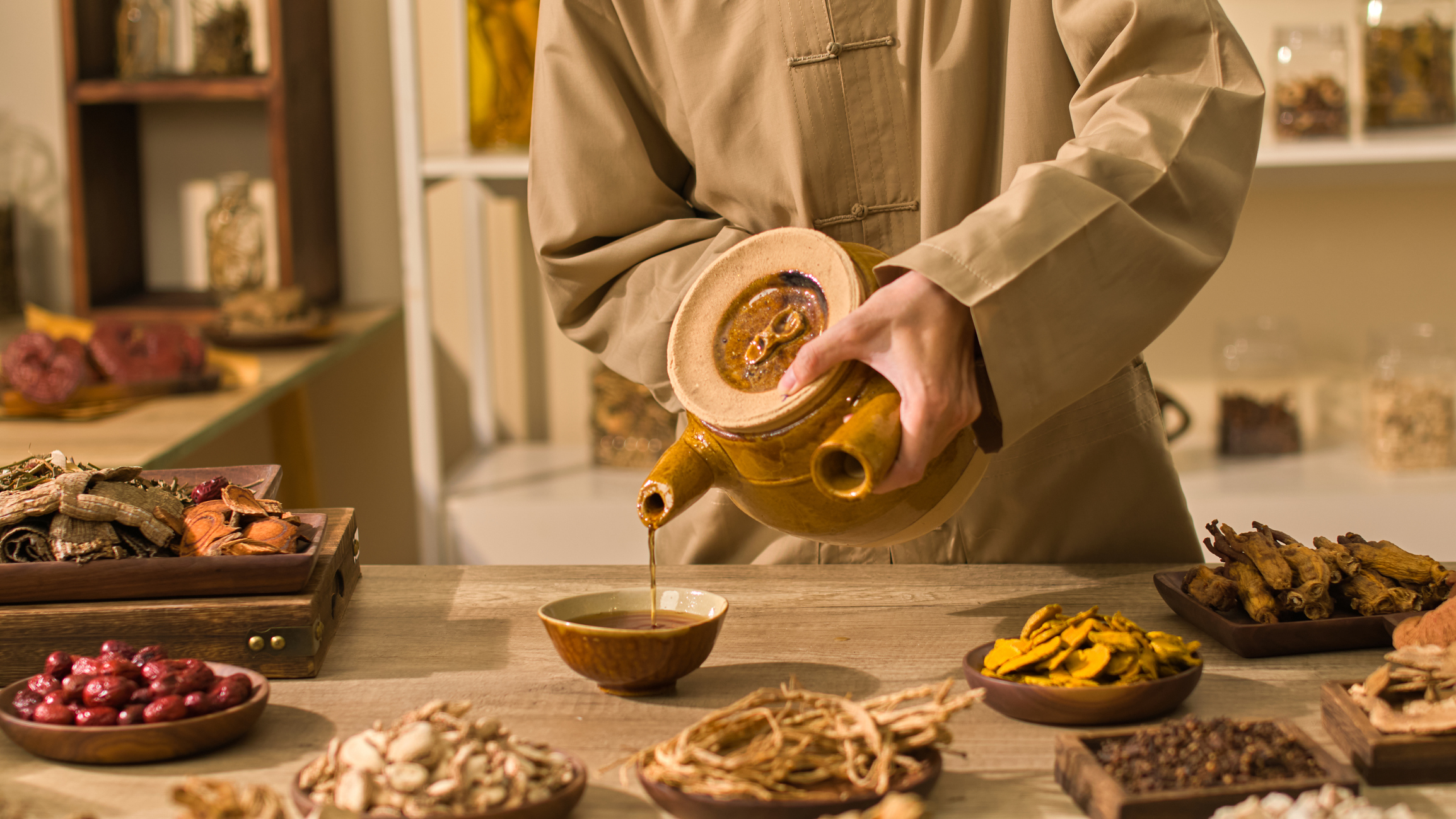
This delicious tea recipe is a great way to get both Gotu Kola and Bacopa in combination with other mental resilience boosting herbs. A cup of tea in the morning sets up a productive day of clear thinking and quick learning. Be cautious of the energy boosting effects of green tea and ginseng, and plan to consume early enough to not affect sleep. Poor sleep is the number one reason for mental fatigue. Protect those precious sleeping hours.
Ginkgo (Ginkgo biloba)
Ginkgo is one of the most recognized brain health herbs. It’s commonly used to improve memory and enhance brain function, slow aging, and protect nerve function throughout the body. Ginkgo stimulates blood flow to the brain, which brings needed nutrients and glucose while also acting as an antioxidant to protect the brain from damage.
In addition to improving blood flow to the brain, it also increases peripheral circulation and oxygen supply to all tissues. Ginkgo can be used as a long-term brain health tonic herb. In Europe, it is widely recommended as a daily supplement to aging adults to maintain brain function.
Standardized extracts in capsules are the best source of this brain-booster. The raw leaf contains ginkgolic acid, which is highly allergenic. Try for 120 milligrams of a standardized ginkgo supplement daily.
Marshmallow (Althaea officinalis)
Marshmallow is a soothing, balancing, and restorative herb. A member of the rose family, this herb is moistening and cooling. When tensions get hot and burnout is looming, a glass of marshmallow tea can be just what the herbalist ordered.
Marshmallow leaf makes a delicious, light tea. Heat damages the tender phytochemicals in marshmallow, so it is best brewed and served cold. Put 1-2 tablespoons in a tea bag and place the bag in a reusable water bottle for the day. Refill throughout the day. Alternatively, make a quart or half-gallon and sip on it from the refrigerator all day long. Marshmallow leaf is covered in tiny hairs, so always use a tea bag when steeping to avoid throat irritation from the escaped hairs.
A cup of tea, even a simple black tea from the hotel coffee kit, is relaxing and restorative by itself. Making tea takes time, and that time is well-spent by not rushing through the process. Savor the aromas, colors, and flavors as they develop in the cup. Then, sip slowly, allowing the warmth to spread through the body and reveling in a few moments of rest. Tea on the go will do in a pinch, but if restoration and building resilience is the goal, taking a short teatime magnifies the results of these brain-boosting herbs.
About the Author: CJ Weber

Also on Integrative Practitioner

Dental Danger: Signs of Sleep Breathing Disorders in children and Adults, Learn the Visual Clues
Non-Member Price: $30.00 Member Price: $18.00 – 40% Off for Members Only Add to Cart Presented by: Mark Breiner, DDS,...

Integrative and Comprehensive Approach to Inflammatory Bowel Disease
Non-Member Price: $30.00 Member Price: $18.00 – 40% Off for Members Only Add to Cart Presented by: Ronald Hoffman, MD,...
Measuring Biology vs. Symptomatology: The Fully Integrated Functional Wellness Program
Non-Member Price: $30.00 Member Price: $18.00 – 40% Off for Members Only Add to Cart Presented by: Dane Donohue, DC...

Change Your Genes, Change Your Life
Non-Member Price: $30.00 Member Price: $18.00 – 40% Off for Members Only Add to Cart Presented by: Kenneth Pelletier, PhD,...
Guided Imagery – Efficacious, Portable, Scalable, User-Friendly, Self-Administered
Non-Member Price: $30.00 Member Price: $18.00 – 40% Off for Members Only Add to Cart Presented by: Belleruth Naparstek, ACSW...