







Seven Key Insights from the Integrative Practitioner Digital Summit on Aging and Longevity
By Avery St. Onge
The latest edition of the Integrative Practitioner Digital Summit took place on Tuesday April 18, 2023 and featured education surrounding the complex and growing trend of addressing aging and bolstering longevity in integrative medicine. The day-long program featured live sessions and engaging activities, which we hope you took advantage of to make the most of your experience. But in case you couldn’t tune in to the entire program, we’ve rounded up our top takeaways from the day’s discussions.
1. High Sugar Intake Can Lead to Neurodegenerative Disorders
Excessive sugar is a precursor for an inflammatory process that is the root of all modern degenerative conditions, according to Christopher Bump, DC, MS, IFMCP, CNS, DABCN, who presented a session, “Fructose, Glucose, Sugar, and Your Brain Is a Very Sticky Matter: How Advanced Glycation End-products Lead to Alzheimer’s, Cognitive Decline and Neuroinflammation”.
A high-sugar diet can result in metabolic syndrome, defined by several parameters and conditions such as central obesity, hypertension, elevated lipids, and elevated glucose, said Bump, a functional medicine chiropractor and clinical nutritionist in Vernon, N.J. These conditions, he said, are predeterminants or antecedents for the development of chronic degenerative conditions.
One of the fundamental causes of these neurodegenerative diseases associated with metabolic syndromes, explained Bump, is advanced glycation end-products (AGES). A consequence of excessive sugar consumption, AGES are compounds formed when sucrose is bound to proteins, lipids, or nucleic acids without the help of enzymes.
“I would say that it is the AGES that lead to the primary degenerative conditions associated with diabetes, whether it’s Alzheimer’s or arthritis, [or] neurological irritations,” said Bump.
According to Bump, when AGEs accumulate in high levels, they increase vascular tissue and tissue stiffening by the cross-linking of elastin and collagen, proteins used to make connective tissue. In addition, AGEs are known to stimulate inflammation and oxidative stress through the receptor for advanced glycation end-products (RAGE). With more AGES, Bump said, comes a higher risk of several conditions.
“These deleterious physiological changes from oxidative stress to post protein crosslinking, to increased inflammation, and beta amyloid formation, result in conditions such as connective tissue disease, heart disease, arteriosclerosis, and diabetes,” said Bump. “All these conditions also precede the interruption of function of the central nervous system and hence cognitive decline seen in Alzheimer’s and other neurodegenerative conditions.”
To test for AGES, Bump suggested testing patients for fasting glucose, fasting insulin, hemoglobin A1C, fructosamine, triglycerides, and cholesterol.
2. Reducing Advanced Glycation End-Products Goes Beyond Dietary Interventions
To prevent, reduce, or reverse AGES, common sense would say to reduce the sugar load on the body, Bump said. However, there’s a lot more we can do to assist patients, he said.
There are both exogenous and endogenous sources of AGES, according to Bump. Exogenous AGES, which come from external sources like diet, food preparation, and tobacco, tend to get more airtime in clinical nutrition circles. However, the sources of endogenous AGES are just as readily dangerous, damaging, and prevalent as those that come from dietary sources, Bump said.
Endogenous sources or AGES include hyperglycemia and high oxidative stress. To treat these AGES, Bump uses several botanicals. He suggested using black seed oil to improve fasting glucose, hemoglobin A1C, and insulin resistance, for example.
One of Bump’s top supplements for AGES is berberine, as it’s been shown to lower glucose, prevent glycation, reduce cardiovascular disease, and decrease inflammation.
“Berberine is one of my most favorite of all remedies,” said Bump. “If I could only prescribe four treatments for patients, they would be magnesium, essential fats, omega-3s, and berberine.”
To reduce and prevent AGES, Bump also advises patients to exercise, eat more fruits and vegetables, follow a ketogenic diet, and increase dietary fiber to help balance the gut microbiome.
3. Sleep Changes with Age
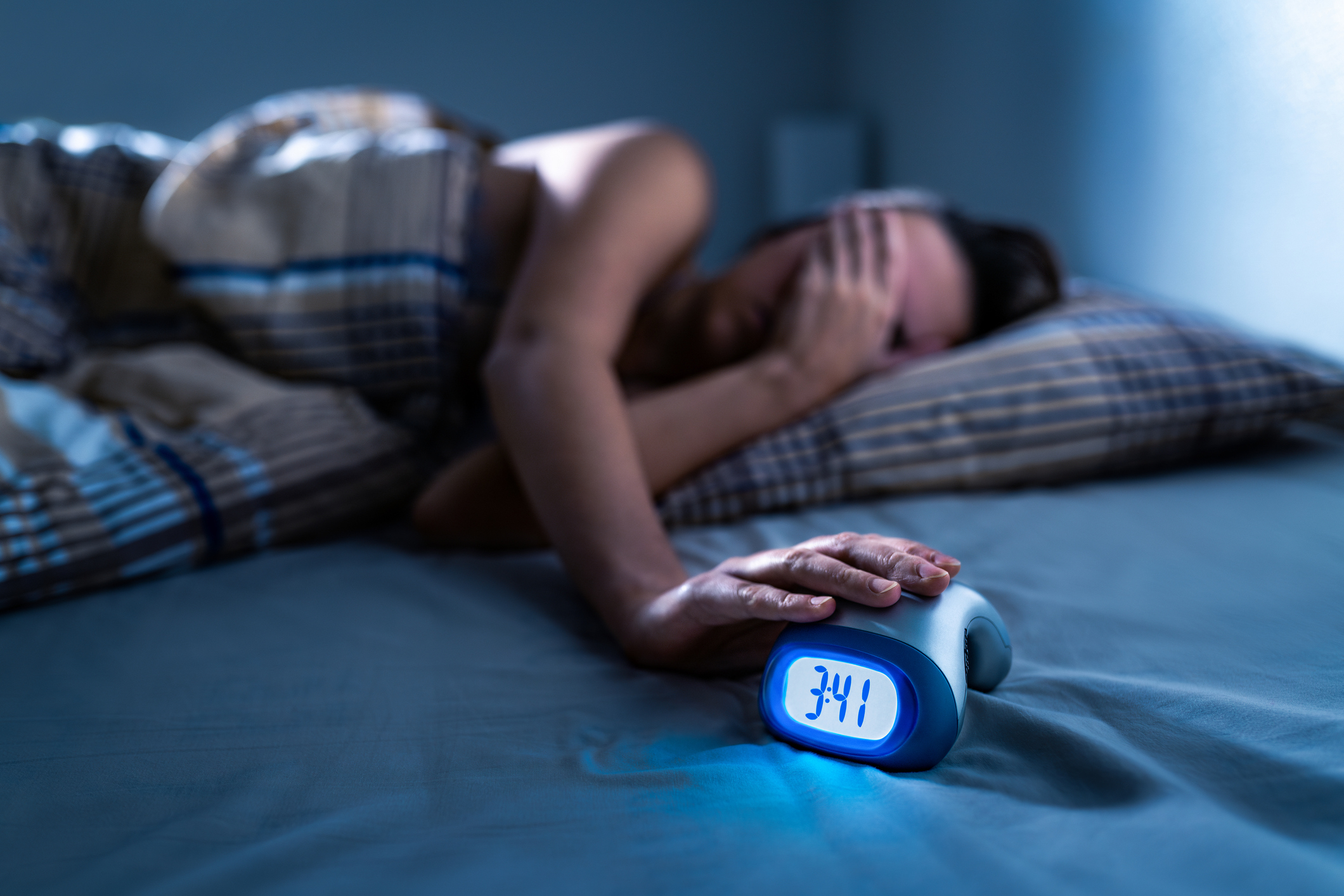
Older adults don’t have a reduced sleep need, rather they have an impaired ability to generate the sleep they do need, according to Catherine Darley, ND, a naturopathic sleep doctor in Seattle, W.A., who presented a session, “Sleep – Essential Anti-Aging Medicine”.
“As you’re talking with your older patients and they’re describing getting less sleep, you may want to, as part of your therapeutic goals, work on getting them the sleep that they previously got,” said Darley.
Sleep fragmentation with age can be seen at both a micro and macro level, Darley said. Macro changes include advanced sleep timing, decreased sleep duration, and longer time taken to fall asleep.
As people age, the prevalence of brief sleep awakenings increases due to conditions like sleep apnea or restless leg syndrome, said Darley. In addition, older patients are more likely to be woken up by external stimuli like neighborhood noises or their sleep environment being too warm or too cold. This, Darley said, is because slow wave sleep, also known as deep sleep, reduces with age.
“Less slow wave sleep, shorter and fewer sleep cycles, and increased time awake at night all result in a sensation of less restorative sleep for elders,” said Darley.
At a micro level, there are several changes concerning electroencephalogram (EEG), or electrical activity in the brain which can help better understand the elderly’s sleep experience, Darley explained. In elders, EEG patterns have shown that, relative to young people, slow wave sleep is reduced by 75 to 80 percent in the prefrontal cortex and in the first non-rapid eye movement (NREM) cycle.
“We think that part of the change in the slow wave EEG patterns is that aging diminishes the synchronized neuronal en masse firing that gives rise to sleep oscillations,” said Darley.
Other EEG changes include a decrease towards the end of the night in sleep spindles, which are a characteristic of stage 2 sleep and associated with learning and memory. Also, sleep drive, which builds throughout the day and motivates sleep, was shown to decrease in older people.
To screen patients for sleep regulatory changes, Darley noted several risk factors to discuss with patients, among them, presence of sleep disorders, medication use, obesity, nocturnal urinary frequency, and chronic pain.
4. Sleep is an Effective Anti-Aging Medicine
Not only does sleep quality reduce with age, but insufficient sleep can also further accelerate the aging process, said Darley.
Sleep is essential for staying biologically young via many mechanisms, according to Darley. Among the most consequential impacts of insufficient sleep on biological age is degradation of telomeres, which protect DNA from fraying.
“A shorter telomere is a sign of aging,” Darley said. “We want our telomeres to be nice and long, so our DNA is protected and able to replicate accurately.”
According to Darley, sleep disturbance can also accelerate epigenetic aging, determined by evaluating distinct methylation changes to DNA. In addition, she said it can increase markers for cellular senescence and chronic, low-grade inflammation associated with aging, known as inflamm-aging.
Growth hormones, which are primarily secreted during slow wave sleep, are also decreased as people age, and get less sleep, said Darley. Essential to stay vital, growth hormones act to regulate metabolism, reduce stored fats in fat cells, promote protein synthesis and muscle mass, aid in skin health, and regulate blood sugar.
While a lack of sleep can increase biological age, lifestyle interventions that promote quality sleep can slow or even help reverse biological aging. According to Darley, simple changes like getting up at the same time each day, getting bright light in the morning, and dimming the light three hours before bed can have major impacts on sleep quality.
Darley said she acknowledges that for most patients, sleep is not a priority, but she said it’s up to healthcare providers to educate and stress the importance of sleep.
“Ask your patients, ‘do you want long days where you’re depriving yourself of sleep, or do you want to have a long healthy life,’” Darley said. “I think that’s a choice people are making that they may not be aware of.”
5. Melatonin Plays a Critical Role in Longevity
In addition to its obvious function of facilitating sleep, melatonin has several actions relevant to aging, according to Darley.
“Melatonin helps with bone growth, inflammation, hormone regulation, neuro protection, and oxidative stress in addition to the sleep and circadian rhythm roles that it has,” Darley said. “So, we definitely want people’s melatonin to stay on board across the lifespan to aid healthy aging.”
A powerful antioxidant and anti-inflammatory, melatonin increases apoptosis of abnormal cells and blocks pro-inflammatory processes on COX-2 enzymes. In addition, Darley said, melatonin inhibits pro-oxidative enzymes including xanthine and oxidase, while potentiating antioxidant enzymes like superoxide dismutase, glutathione peroxidase, and catalase.
Through its various actions, melatonin helps protect mitochondria, which are closely associated with aging, according to Darley. In addition, the hormone is believed to help prevent dementia through improvement of sleep, neurotransmission, and reduced sundowning.
Melatonin can be regulated by creating an optimal light-dark environment, however, Darley said that is difficult to accomplish when most patients are exposed to light on their phone screens before bed.
“We’re getting inadequate light during the day and then in the night we’re not getting sufficient darkness,” said Darley. “That’s going to negatively impact melatonin.”
For a more realistic strategy to increase melatonin, Darley is an advocate of melatonin supplements. In particular, she said she suggests phyto metatonin which is derived from plants and has approximately 400 times greater free radical scavenging than synthetic melatonin, according to Darley.
6. Hormonal Changes Can Impact the Aging Process
Hormones communicate vitality, but with increased age, hormones decrease and pause their communication, according to Deanna Minich, PhD, CNS, IFMCP, a nutrition scientist from Seattle and chief science officer at Symphony Natural Health, who presented a session on “Healthy Aging through the Spectrum of Phytonutrients: Using Plant Medicine for Perimenopause and Beyond”.
Minich said there is a need for updating medical terminology to reflect for the pauses of aging, like perimenopause, where there is a cessation or decrease of certain hormones. “There are other kinds of ‘pauses’ as well that we need to think about because some of them coincide together,” she said.
In addition to perimenopause, with age come adrenopause, which involves: dehydroepiandrosterone (DHEA) and DHEA sulfate; andropause, which impacts testosterone; somatopause, which pauses growth hormone; and a decrease in melatonin, which Minich refers to as “melatonipause.”
“As we make our way through the lifespan, endogenously produced melatonin levels in the body begin to decrease, so that by the time we’re in our later middle age, we start to bottom out on our endogenous melatonin,” said Minich. “And this parallels several other hormonal fluxes in the body.”
For melatonin supplementation, Minich also prefers phyto melatonin, which in addition to free radical scavenging, she said has outperformed synthetic melatonin in anti-inflammatory activity and promoting cellular health.
These hormone fluctuations, particularly perimenopause, incite physical, emotional, mental, and spiritual changes, explained Minich.
“There can be a whole spectrum of different things that can happen physically in the body,” Minich said, referring to perimenopause. “It’s almost as though it’s more like a syndrome, where we see one’s entire being that is involved, rather than just a symptom.”
According to Minich, it’s crucial that this hormone interface in the body is properly functioning as it is the primer for vitality and vigor.
7. Phytonutrients Can Help Regulate Hormones
Certain foods connect to each of the endocrine systems and can help promote healthy aging and balance hormones, said Minich.
According to Minich, many phytonutrients have functional signatures that align with endocrine systems. For instance, several red plant foods correlate with the adrenal gland, which helps regulate stress response, Minich said.
“Everything from appetite, gut health, and heart health, can be due to changes in adrenal issues along with response to stress, and sensitivity to cold, so we definitely want to bring in a connection to food here,” said Minich.
Foods such as blood oranges, cherries, cranberries, and red beets are anti-inflammatory, antioxidant, and immune modulating, helping regulate cortisol, said Minich. “When people are stressed, what I often say is try to focus on red colored foods that are found in nature, so that you’re getting a lot of those antioxidants and that you’re getting more support,” she said.
For adrenal health, Minich said she also focuses on macronutrients by increasing dietary fiber and decreasing sugar, micronutrients, suggesting supplements like B-complex, vitamin C, and zinc, adaptogenic herbs like maca, and ample hydration.
To target hormones in the pancreas, Minich said she recommends yellow foods. Asian pears, lemons, bananas, and corn, Minich said, all function as anti-inflammatories, catalysts for digestive health, and binders. Phytonutrients within these yellow plant foods like bioflavonoids, bromelain, and probiotic fibers, can help the digestive catalytic hormones, insulin, and glucagon, better regulate glucose levels, according to Minich.
In addition to diet, Minich said melatonin supplements and intermittent fasting are important for hormone regulation and longevity. Perimenopause is a difficult part of aging, Minich said, but having actionable information on how to better the process is extremely valuable.
“For some women who are aging and experiencing perimenopause,” Minich said, “there are so many different changes that are happening and to have some type of scientific aspect of looking at food as well as an art, artistic or artful aspect is important for the mind body connection.”
Editor’s note: The Integrative Practitioner Digital Summit offers full days of virtual education aimed at keeping practitioners informed and up to date on trending topics in integrative medicine. To learn more about our upcoming program and how to access previous Digital Summit recordings, click here.
About the Author: CJ Weber

Also on Integrative Practitioner

Dental Danger: Signs of Sleep Breathing Disorders in children and Adults, Learn the Visual Clues
Non-Member Price: $30.00 Member Price: $18.00 – 40% Off for Members Only Add to Cart Presented by: Mark Breiner, DDS,...

Integrative and Comprehensive Approach to Inflammatory Bowel Disease
Non-Member Price: $30.00 Member Price: $18.00 – 40% Off for Members Only Add to Cart Presented by: Ronald Hoffman, MD,...

Measuring Biology vs. Symptomatology: The Fully Integrated Functional Wellness Program
Non-Member Price: $30.00 Member Price: $18.00 – 40% Off for Members Only Add to Cart Presented by: Dane Donohue, DC...

Change Your Genes, Change Your Life
Non-Member Price: $30.00 Member Price: $18.00 – 40% Off for Members Only Add to Cart Presented by: Kenneth Pelletier, PhD,...

Guided Imagery – Efficacious, Portable, Scalable, User-Friendly, Self-Administered
Non-Member Price: $30.00 Member Price: $18.00 – 40% Off for Members Only Add to Cart Presented by: Belleruth Naparstek, ACSW...