








No Bones About It: Treating Osteoporosis and Osteopenia
By Irene Yeh
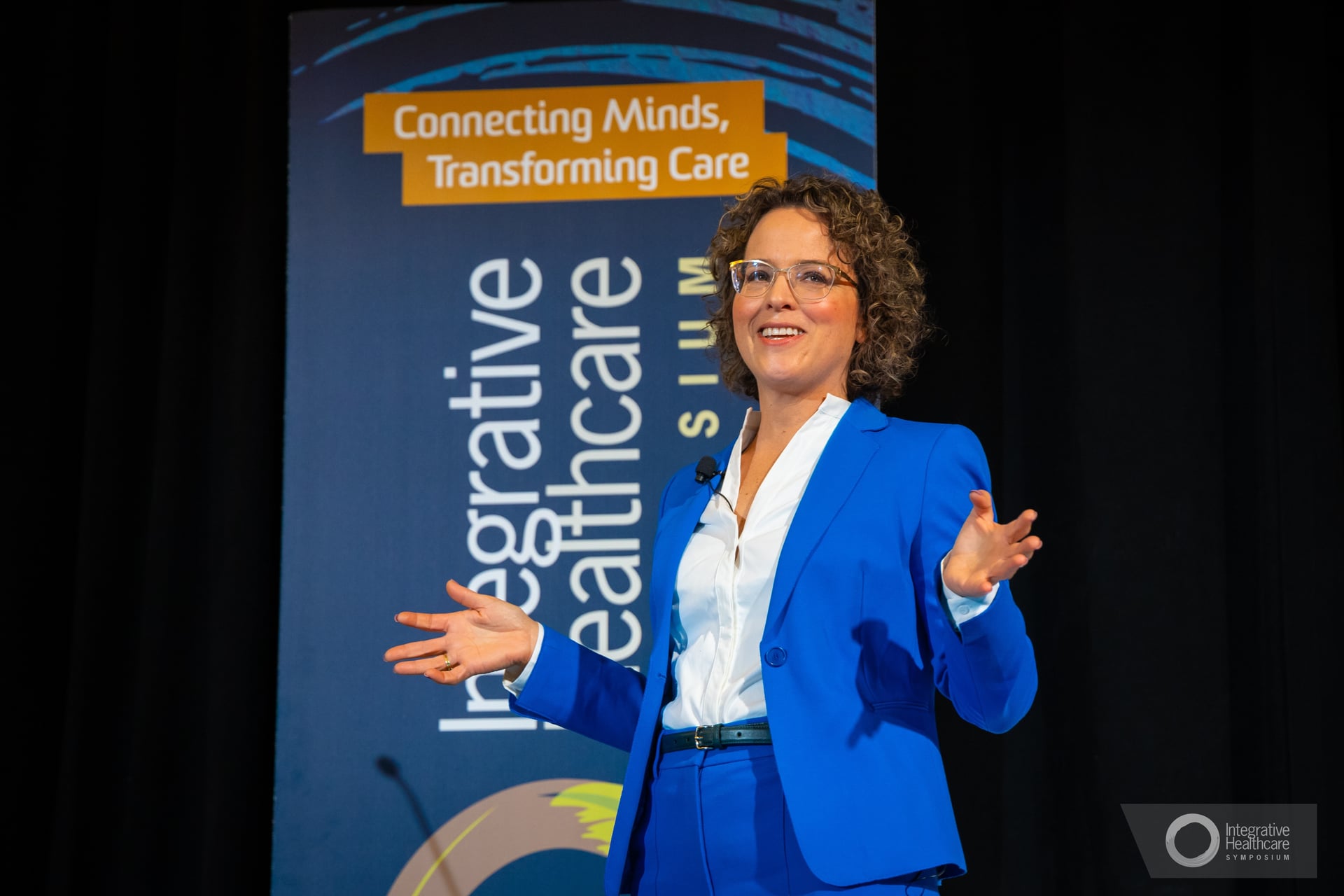
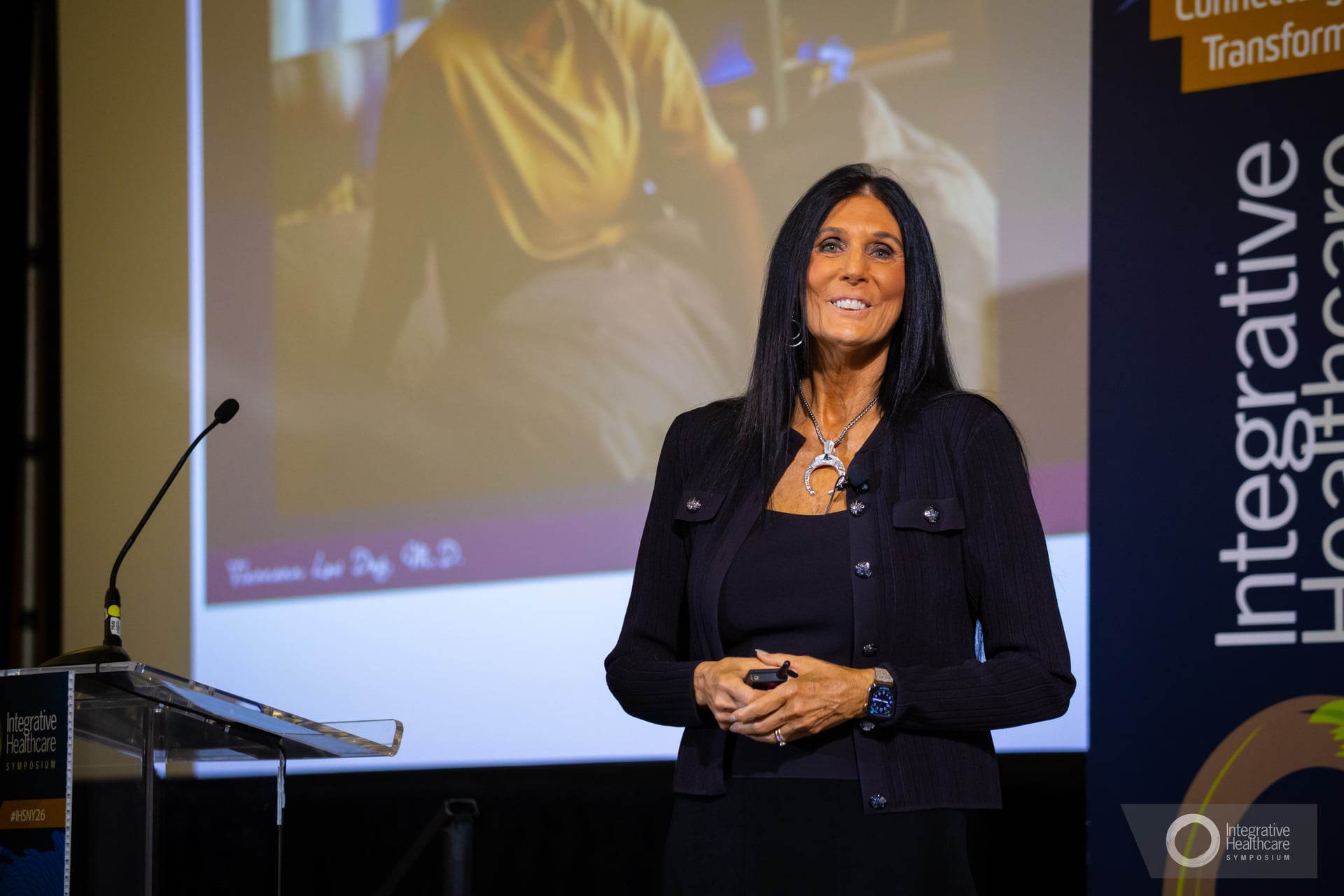
Osteoporosis and osteopenia are bone diseases that commonly affect women, especially if they are perimenopausal or postmenopausal. Decreased estrogen levels are a major culprit behind bone loss, but Lara Pizzorno, LMT, M.A., M.S., senior medical editor of Integrative Medicine Advisors, and Joseph Pizzorno, ND, president of Bastyr University, believe there is more to it than just lacking a certain hormone. At last month’s Integrative Healthcare Symposium, the husband and wife team presented other reasons behind bone diseases and loss—and why medications should not be the only treatment option.
Drugs Aren’t the Solution
In June 2024, the United States Preventative Services Task Force reported that bisphosphonates provide minute benefits for bone health. The absolute risk reduction is quite small, with only 2.4% for all clinical fractures, 1.8% for non-vertebral fractures, and 1.8% for clinical vertebral fractures over the course of three years. And for absolute risk reduction of hip fractures, it is only 0.6%. Treatment benefits for medications other than bisphosphonates are less certain.
“You cannot correct the problem by simply prescribing one of the bone drugs,” Lara asserted. “The drugs do not restore bone health.”
She urged a shift of focus toward chronic low-grade inflammation, which plays a central role in bone loss. Inflammatory processes increase the activity of osteoclasts, the cells responsible for bone breakdown, while suppressing bone-building osteoblasts.
It’s Way More Than That…
There are several factors that contribute to inflammation, but there are “way too many potential causes of bone loss to think about without some way to narrow it down,” according to Lara. She provided a list of basic lab tests to identify the most relevant issues.
- Vitamin D plays one of the most important roles in bone health. Optimal levels are between 60-80 ng/mL, not 30 ng/mL, for immune regulation. Not only is Vitamin D important to calcium metabolism, but it also regulates immune function by shifting T cell activity toward anti-inflammatory pathways, thus reducing bone loss. Magnesium is also required for the enzymatic activation of Vitamin D, and deficient levels are a common barrier to effective supplementation.
- Cardiovascular disease has a strong correlation with osteoporosis, with both conditions sharing the same mechanisms and risk factors, explained Lara. High LDL cholesterol often leads to high blood pressure, which reduces nutrient delivery and waste removal, reduces calcium absorption in the intestine, and increases elimination in urine. High cholesterol and unhealthy lipid profiles may also promote calcium deposits in blood vessels instead of bones. Statin drugs also complicate the picture, as higher doses (above 10 mg per day) have been associated with increased risk of bone loss and may interfere with Vitamin K2 production, which directs calcium into bones and prevents calcification of blood vessels.
- Balanced mineral intake, particularly the ratio between calcium and magnesium, is critical. Ideally, the ratio should be 2:1 with about 1,200-1,500 mg of calcium and 600-750 mg of magnesium daily from diet and supplements combined. In the U.S., magnesium intake is usually insufficient, but calcium intake has increased, creating an imbalance to bone problems. Furthermore, chronic stress can deplete magnesium.
- Dehydration is a “huge under-recognized problem that significantly interferes with normal bone renewal,” according to Lara. She noted that dehydration can impair osteoblast production and shift bone marrow stem cells toward fat cell formation instead of bone-forming cells.
- Homocysteine is the molecular equivalent of an acid spray gun, Lara explained. High levels of homocysteine increase inflammation and weaken bone by interfering with collagen formation. Homocysteine elevation often indicates problems with methylation pathways, which depend on adequate levels of Vitamins B6, B12, and folate.
- Hyperparathyroidism is when there are elevated levels of parathyroid hormone (PTH) and can indicate Vitamin D deficiency. Persistent elevated PTH also stimulates bone resorption and drives progressive bone loss.
- Reduced kidney function impairs Vitamin D activation and calcium balance, leading to increased secretion of PTH.
- Cadmium is an environmental toxin that is strongly linked to osteoporosis and kidney damage. It also interferes with Vitamin D activation. Smoking and contaminated foods are major sources.
- Liver function participates in Vitamin D metabolism, thyroid hormone conversion, and detoxification. Elevated levels of aspartate aminotransferase and alanine aminotransferase (sensitive markers of liver damage) are associated with systemic inflammation, oxidative stress, and sarcopenia, which all affect bone density. Liver dysfunction (especially metabolic dysfunction-associated steatotic liver disease, or fatty liver disease) promotes insulin resistance—another inflammation factor.
- Iron is a “Goldilocks nutrient.” Lara emphasized that iron must be carefully regulated. Iron deficiency and iron overload can contribute to bone loss. Low ferritin levels increase osteoporosis risk by impairing collagen synthesis and Vitamin D metabolism. Excess iron promotes oxidative stress, insulin resistance, and increased osteoclast activity.
A Personal Case Report
Joseph discussed Lara’s own case report. Several women from Lara’s family passed away from complications of osteoporosis. Though Lara lived a healthy lifestyle and took precautions to ensure bone health, she was eventually diagnosed with osteopenia.
After running several tests, including the very first genetic test, they found out that Lara had a Vitamin D receptor site deficit issue. Her body was not processing or absorbing Vitamin D efficiently. Joseph stated that her Vitamin D intake was significantly increased to 14,000 IU per day for a period of approximately two years to overcome the reduced receptor activity and achieve adequate physiological effects. Eventually, Lara’s bone density stabilized and began to improve.
This case report is an example of how personalized medicine can make a difference for a patient. If the underlying genetic and metabolic conditions were not identified, then Lara’s osteopenia could have progressed into osteoporosis, as had been the case for other members of her family.
“We live very healthfully. We only eat eco-grown foods. We avoid environmental toxins as much as possible,” said Joseph. “But the reality is that by following these protocols, [the protocols] work.”
About the Author: Irene Yeh

Also on Integrative Practitioner

Ancient Mushroom, Modern Medicine: Paul Stamets Says Agarikon Mycelium May Be Key to Fighting Viral Pandemics
By Allison Proffitt Paul Stamets has spent more than four decades in the forests of the Pacific Northwest, carefully prying...

The GLP-1 Era: It’s More Than Just Weight
By Irene Yeh The healthcare industry has a weight problem—a weight bias problem, according to Ashley Koff, RD, founder of...

Geography Matters for Infant Gut Microbiome
By Integrative Practitioner Staff When it comes to the human microbiome, modern life may be out of sync with ancient biology. “Our...

Weight Loss: The Least Interesting Thing About GLP-1s
By Irene Yeh At last month’s Integrative Healthcare Symposium, GLP-1s were one of the main topics, especially regarding their impact on weight loss and obesity treatment....

Lee Hood’s Persistent Plan to Reinvent Medicine From the Ground Up
By Allison Proffitt February 26, 2026 | When Leroy Hood stepped up to the podium at last week’s Integrative Healthcare Symposium to accept the Visionary Award, he told...