



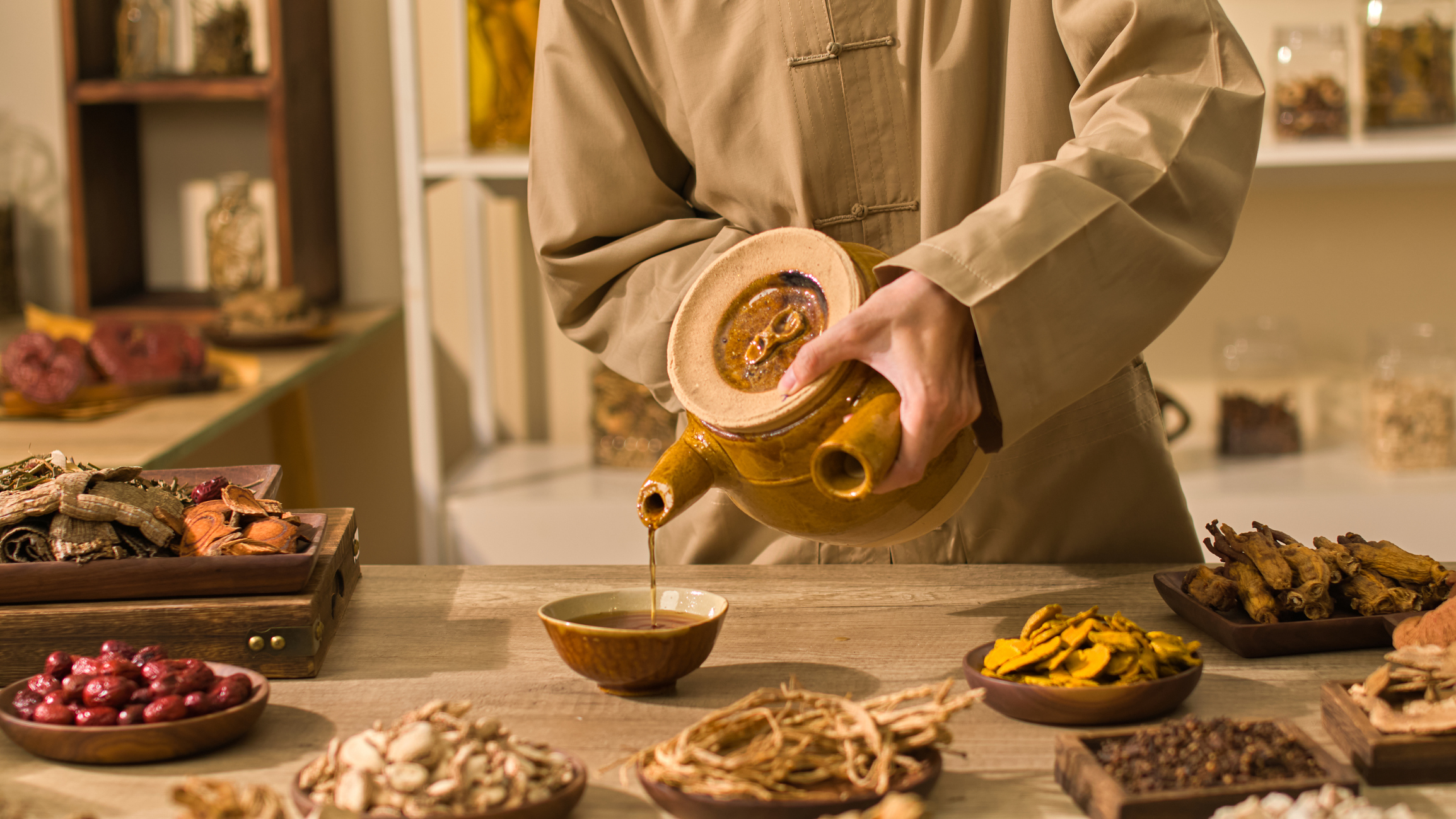


Integrative health for underserved communities relies on innovative teamwork, funding
Photo Cred: Emiliano Vittoriosi
By Judy Packer-Tursman
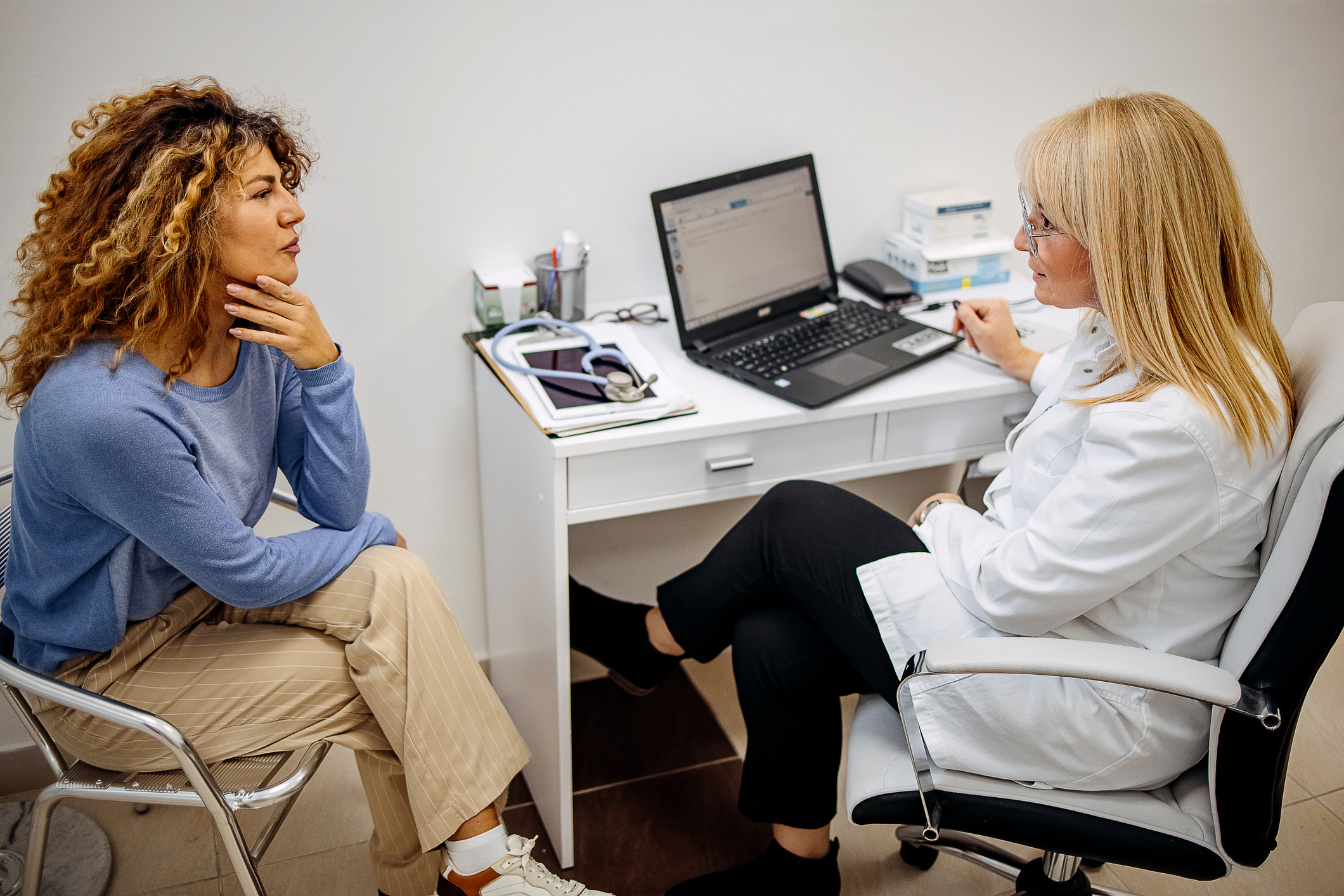
When family medicine physician Lisa Moore, MD, restarts integrative medicine consults for patients at Venice Family Clinic in the Los Angeles area in April, following a pandemic lull, she will join various practitioners, community clinics, and academic health institutions across the United States striving to facilitate free or low-cost acupuncture, yoga therapy, chiropractic, massage, mind-body therapies, and more to underserved communities.
Such initiatives for low-income, uninsured, or homeless people run the gamut, often being provided at federally qualified health centers (FQHCs) such as Venice Family Clinic and Waianae Coast Comprehensive Health Center on the Hawaiian island of Oahu, whose Native Hawaiian Traditional Healing Center offers Lomilomi (Hawaiian massage therapy), Laau Lapaau (herbal medicine), and Laau Kahea (spiritual healing). Programs are also offered by acupuncture and chiropractic universities and conventional medical schools, plus private not-for-profit ventures such as Freedom Community Clinic in Oakland, Calif.
Efforts are piecemeal and creative, typically relying on a mixed team of community practitioners and supervised student interns to deliver services, using community fundraising and partnerships, foundation grants, and Medicaid coverage, if applicable, to keep the doors open. As one FQHC physician puts it: “There are a lot of different ways to provide integrative care to people who need it the most.” Supporters describe integrative health clinics as popular and well received by patients and say they would offer more sessions if more resources were available.
Moore works in Venice Family Clinic’s Culver City location, a heterogeneous neighborhood with “a housing project that’s a large part of the population we serve” across the street. Numerous patients are homeless, and many are uninsured immigrant families from Mexico and Central America.
“My big passion is bringing integrative medicine to these populations and helping people see integrative medicine is not just about concierge practices,” said Moore, who previously worked at a community health center in Santa Fe, N.M.
Venice Family Clinic’s program, which includes yoga therapy, acupuncture, chiropractic, and osteopathic medicine, began in 2006 with funding from the Simms/Mann Family Foundation. The latest data shows 30,000-odd patient visits, said clinic spokesperson Michelle Stuffmann, describing it as the first program of its kind in the U.S. at a community health center and a “very natural fit” for its holistic care approach.
“People in these more underserved populations are looking to home remedies, hands-on massage therapies ─ so it’s something that comes very naturally,” Moore said. “Most of them want to try something more natural before we jump to pharmaceuticals.” She describes patients as “very eager” and her colleagues as “anxious to help patients get access to this set of tools.”
FQHCs make money based on a clinician’s daily patient volume, “and I’ll see fewer patients during IM consults, which speaks to the clinic seeing the value of this,” Moore added.
In its strategic plan for fiscal years 2021 to 2025, the National Center for Complementary and Integrative Health (NCCIH) is prioritizing “implementation and dissemination research” to help speed evidence-based interventions to people who would benefit.
Clinicians caring for impoverished communities assert it’s more important to provide integrative treatments to people with much higher needs than the more socio-economically advantaged. They cite the prevalence of poorly controlled chronic conditions including diabetes, hypertension and heart disease, and anxiety and depression among patients facing food and housing insecurity.
The Integrative Clinic of Minnesota (ICM) has provided free integrative health services such as acupuncture, massage, and chiropractic, to low-income residents and the homeless in the Phillips neighborhood of south Minneapolis for a dozen years.
Community practitioners and supervised student interns work at the clinic, a partnership between Northwestern Health Sciences University (NHSU) in Minneapolis and University of Minnesota. Another NHSU clinic embedded in a Salvation Army location has free chiropractic and acupuncture services. NHSU also has a relationship with Minnesota Community Care and began chiropractic on a sliding scale at the FQHC in 2015. Acupuncture will begin this spring.
In 2021, all three clinics for the underserved saw slightly over 6,000 patient visits combined, said Mike Tennison, NHSU’s vice president of clinic and retail administration. “Obviously, COVID had a big impact on the numbers. Pre-COVID, in 2019, we had about 8,500 patient visits.”
“We felt touch was incredibly important in healing, important in…communities with higher rates of poverty,” added Michele Renee, DC, MAc, NHSU’s director of integrative care. “If we had the capacity, [ICM] would be open seven days a week…We had to change from walk-in to appointments because we’d have 50 people waiting at 3 o’clock and we didn’t open until six.”
NHSU had to decide whether to treat as many patients as possible one time or treat patients over time, “and we decided over time because these are not ‘one and done’ services,” Renee said. “Although demand is great, we’ve decided we want continuous care.”
In California, Medi-Cal reimburses for acupuncture visits, which are done in a group setting (after individual assessments) for more patient volume and reimbursement, said family medicine physician Alex Kipp, MD, MALS, FAAFP, Dipl ABOIM. He directs integrative health services at UCI Family Health Center, an FQHC affiliated with the University of California at Irvine’s medical and nursing schools and UCI Health, Orange County’s only academic health system.
“Unfortunately, the way that we pay for healthcare is very volume based, so we have to work around the system to be able to provide the services we know our patients want and benefit from,” said Kipp, who also runs the UCI family medicine residency track for integrative medicine at the FQHC’s clinic in Santa Ana, Calif. While a fair portion of its predominantly Latinx patients are on Medi-Cal, many are undocumented and uninsured, he said.
Kipp said the UCI Susan Samueli Integrative Health Institute provides much of the funding and staffing for integrative services at the Santa Ana clinic, including his integrative medicine consults with patients half-a-day per week that focus on mind-body therapy, healing with whole foods, and herbs and supplements. “Ideally, we would like to provide more services within the walls of the family health center,” he said, but a “robust referral system” refers patients out for chiropractic and massage therapy on a sliding scale.
The Oregon College of Oriental Medicine (OCOM) has used a Kaiser Permanente grant for several years to support access to acupuncture and Chinese herbal medicine for low-income patients in the city of Portland. “The program is ongoing,” said OCOM President Sherri Green, PhD, noting OCOM also does annual fundraising for its program, which is similar to other acupuncture schools’ outreach to low-income communities.
“We offer huge discounts to folks of marginal income,” Green said. “It’s helped our students in terms of robust internships, and it helps our community.”
About the Author: CJ Weber

Also on Integrative Practitioner
Dental Danger: Signs of Sleep Breathing Disorders in children and Adults, Learn the Visual Clues
Non-Member Price: $30.00 Member Price: $18.00 – 40% Off for Members Only Add to Cart Presented by: Mark Breiner, DDS,...

Integrative and Comprehensive Approach to Inflammatory Bowel Disease
Non-Member Price: $30.00 Member Price: $18.00 – 40% Off for Members Only Add to Cart Presented by: Ronald Hoffman, MD,...

Measuring Biology vs. Symptomatology: The Fully Integrated Functional Wellness Program
Non-Member Price: $30.00 Member Price: $18.00 – 40% Off for Members Only Add to Cart Presented by: Dane Donohue, DC...

Change Your Genes, Change Your Life
Non-Member Price: $30.00 Member Price: $18.00 – 40% Off for Members Only Add to Cart Presented by: Kenneth Pelletier, PhD,...
Guided Imagery – Efficacious, Portable, Scalable, User-Friendly, Self-Administered
Non-Member Price: $30.00 Member Price: $18.00 – 40% Off for Members Only Add to Cart Presented by: Belleruth Naparstek, ACSW...