







Study finds more microplastic in the feces of people with IBD
Photo Cred: Ketut Subiyanto/Pexels
By Avery St. Onge
Researchers found increased levels of microplastics in the feces of patients with inflammatory bowel disease compared to the feces of healthy individuals, in a new study published in the journal in Environmental Science & Technology
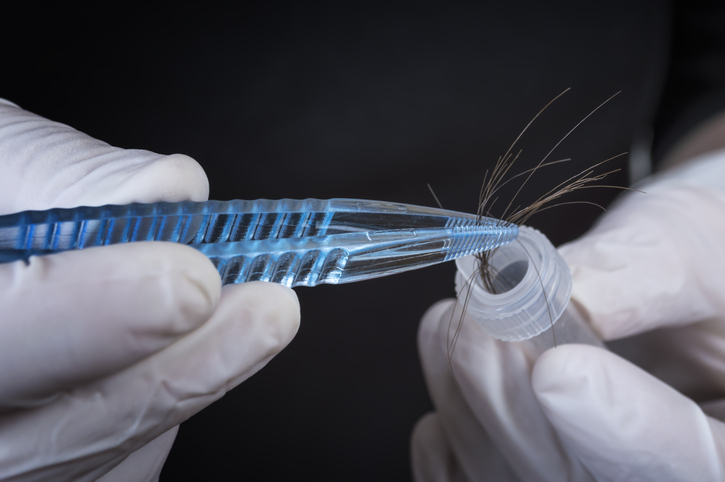
Led by Faming Zhang, MD, PhD, and Yan Zhang, PhD, researchers studied inflammatory bowel disease (IBD) and microplastics, which are known to cause disturbances within the gut. They analyzed 102 fecal samples from people living in various regions of China. Fifty-two of the samples were from those with IBD and 50 were from those without the disease. Participants also filled out a survey detailing how often they drank from bottled water, ate takeout food, and were exposed to dust.
Results showed the feces from those with IBD had around 1.5 times more microplastic particles per gram than feces from those without the disease. Microplastic particles in both groups were mostly shaped like sheets and fibers. Polyethylene terephthalate (PET), which is found in plastic bottles and containers, and polyamide (PA), used in packaging and textiles, were the two most common microplastic found in the feces of both groups. IBD patient feces had increased levels of small particles compared to health individuals.
Researchers also observed IBS patients with higher levels of microplastics in their feces, often reported more intense symptoms. In addition, more microplastics were found in the people who drank from bottled water, ate from food containers, and were exposed to large amounts of dust.
These findings indicate a correlation between IBD and microplastic levels in feces. However, scientists were not able to conclude whether microplastics cause IBD or if those with IBD are prone to increased microplastic particle accumulation in their feces.
About the Author: CJ Weber

Also on Integrative Practitioner

Dental Danger: Signs of Sleep Breathing Disorders in children and Adults, Learn the Visual Clues
Non-Member Price: $30.00 Member Price: $18.00 – 40% Off for Members Only Add to Cart Presented by: Mark Breiner, DDS,...

Integrative and Comprehensive Approach to Inflammatory Bowel Disease
Non-Member Price: $30.00 Member Price: $18.00 – 40% Off for Members Only Add to Cart Presented by: Ronald Hoffman, MD,...

Measuring Biology vs. Symptomatology: The Fully Integrated Functional Wellness Program
Non-Member Price: $30.00 Member Price: $18.00 – 40% Off for Members Only Add to Cart Presented by: Dane Donohue, DC...

Change Your Genes, Change Your Life
Non-Member Price: $30.00 Member Price: $18.00 – 40% Off for Members Only Add to Cart Presented by: Kenneth Pelletier, PhD,...

Guided Imagery – Efficacious, Portable, Scalable, User-Friendly, Self-Administered
Non-Member Price: $30.00 Member Price: $18.00 – 40% Off for Members Only Add to Cart Presented by: Belleruth Naparstek, ACSW...