



Capsule May Give New Insights into Roles of Gut Microbiome and Metabolome
Photo Cred: fizkes/Shutterstock
By Avery St. Onge, Avery St. Onge
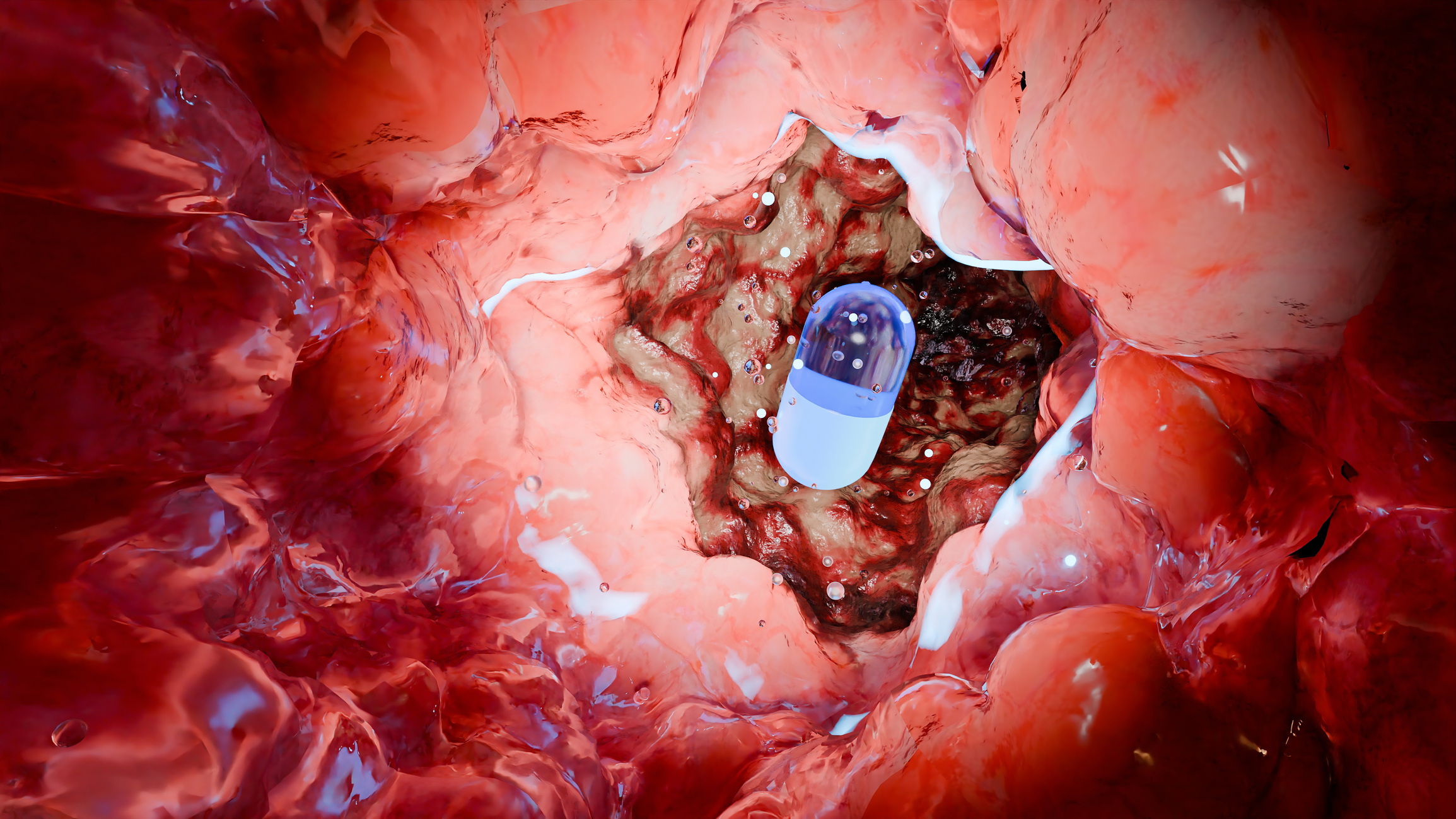
A new ingestible device can collect samples from multiple regions of the human intestinal tract during normal digestion, according to a new study. Researchers say the capsule could help scientists better understand the interactions between the gut microbiome and metabolome and their effect on human physiology and disease.
The study was published in Nature, was conducted by researchers from the University of California, Davis, and Stanford University who aimed to better understand human digestion, the gut microbiome and metabolome. Evidence indicates that the gut microbiome and metabolome are related to human physiology and disease. However, according to the study, previous investigations have been unable to identify the specifics of the relationship because they were based mostly on stool samples, which do not fully represent a patient’s gut metabolites.
“Measuring gut metabolites in stool is like studying an elephant by examining its tail,” said Dari Shalon, PhD, the study’s senior author. “Most metabolites are made, transformed, and utilized higher up in the intestines and don’t even make it into the stool.”
To improve gut testing, Shalon, founder of the start-up, Envivo, invented an ingestible capsule to collect diverse metabolite samples from a patient’s gut, including the small intestine. According to the study, the small intestine is where most of the digestion process takes place, and for testing, it can usually only be accessed through fasting and then sedation.
For the investigation, researchers used the capsule to test the upper intestinal contents of 15 healthy people during their normal daily digestion. Samples collected consisted of bacteria, viruses, host proteins, and metabolites from food. Investigators analyzed the data using a multi-omics approach. Nearly 2,000 metabolites were identified in samples collected with the capsule. When researchers compared the samples from the capsule with stool samples, they found significant differences.
In two participants who had recently taken antibiotics, within their capsule samples investigators found large variations in the levels of bioactive fatty acid esters of hydroxy fatty acids and sulfonolipids, metabolites that researchers said have been associated with inflammation and diabetes. Analysis of the capsule samples also showed associations between diet and metabolites.
According to researchers, the study had several limitations. For instance, they were not able to pinpoint the exact location of the capsule’s sample collections. However, to Oliver Fiehn, director of the West Coast Metabolomics Center at UC Davis and the study’s first author, the capsule is a promising technology that may help scientists better understand the contents of the human gut and how it relates to physiology.
“Overall, this device can help elucidate the roles of the gut microbiome and metabolome in human physiology and disease,” said Fiehn.
About the Author: CJ Weber

Also on Integrative Practitioner

Dental Danger: Signs of Sleep Breathing Disorders in children and Adults, Learn the Visual Clues
Non-Member Price: $30.00 Member Price: $18.00 – 40% Off for Members Only Add to Cart Presented by: Mark Breiner, DDS,...

Integrative and Comprehensive Approach to Inflammatory Bowel Disease
Non-Member Price: $30.00 Member Price: $18.00 – 40% Off for Members Only Add to Cart Presented by: Ronald Hoffman, MD,...

Measuring Biology vs. Symptomatology: The Fully Integrated Functional Wellness Program
Non-Member Price: $30.00 Member Price: $18.00 – 40% Off for Members Only Add to Cart Presented by: Dane Donohue, DC...

Change Your Genes, Change Your Life
Non-Member Price: $30.00 Member Price: $18.00 – 40% Off for Members Only Add to Cart Presented by: Kenneth Pelletier, PhD,...
Guided Imagery – Efficacious, Portable, Scalable, User-Friendly, Self-Administered
Non-Member Price: $30.00 Member Price: $18.00 – 40% Off for Members Only Add to Cart Presented by: Belleruth Naparstek, ACSW...