








Sleep protective against effects of aging
Photo Cred: Matheus Vinicius/Unsplash
By Catherine Darley, ND
Patients want to live as long and as healthy a life as possible, and rightly so. To help meet that goal, practitioners should work with patients to improve their health from the cellular level.
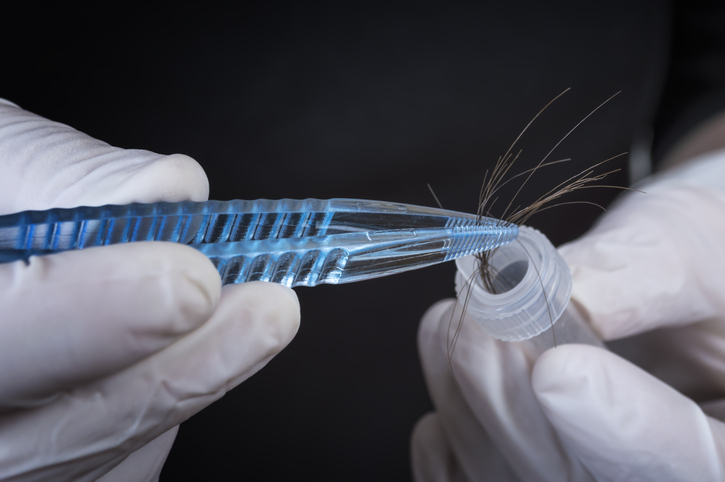
One of the most basic aspects of aging is deterioration of the telomeres, which protect our essential DNA from breakdown. Telomere length is an important biomarker of cellular aging. There are several therapeutic strategies to preserve telomeres, and new evidence adds optimal sleep hygiene to that list.
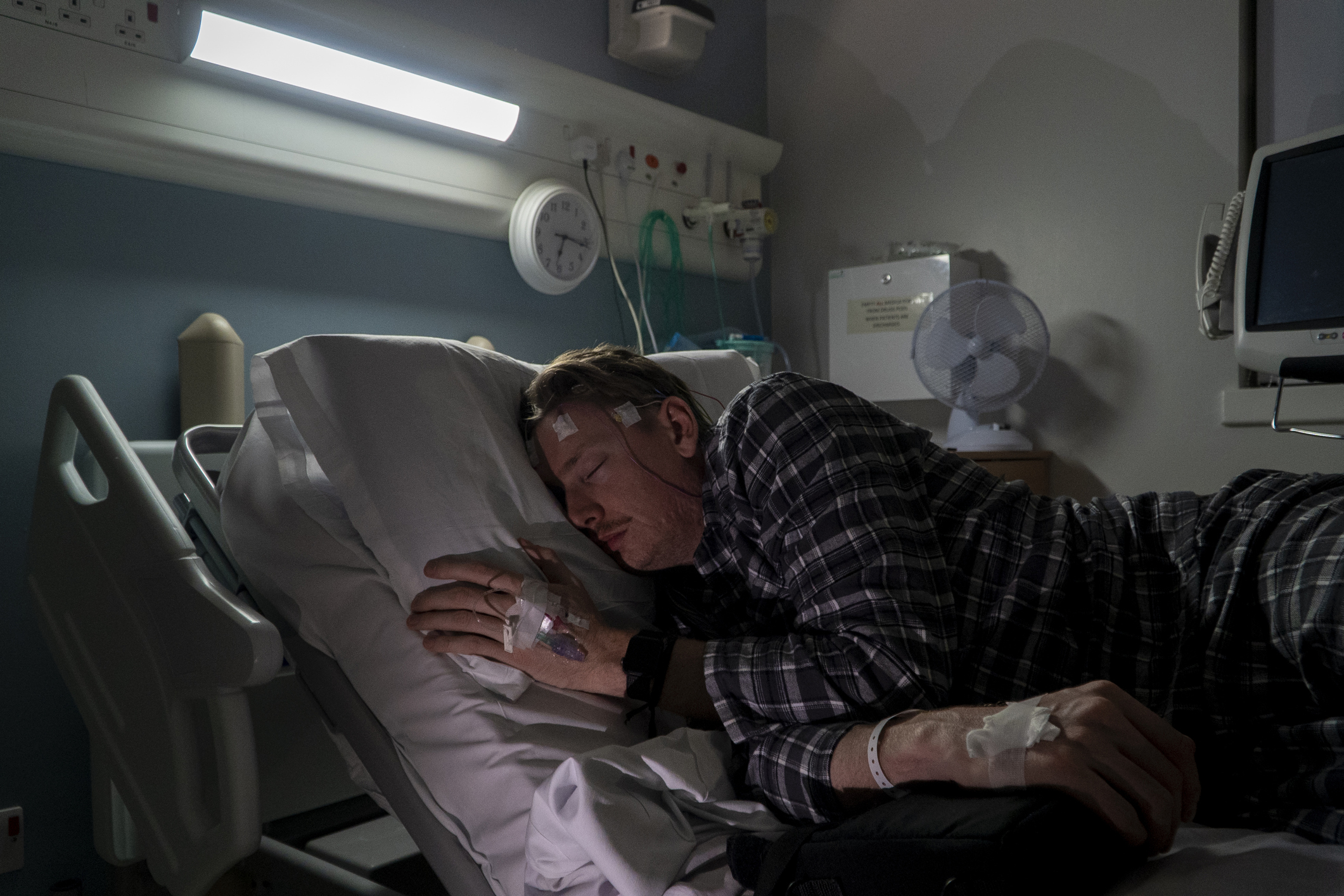
Over the last several years, an emerging body of research points to a connection between various sleep problems and short leukocyte telomere length. This connection is found from infants to elders, and in a wide range of sleep disorders from insomnia and short sleep, to delayed sleep onset and obstructive sleep apnea. Knowing these connections can help practitioners optimize patients’ health now and into the future.
This sleep-telomere connection seems to begin while in utero. In 2015, a study published in the journal Sleep found an association between maternal symptoms of sleep disordered breathing and infant telomere length. In analysis of 67 women admitted for labor and delivery, 31.3 percent were at high risk of sleep disordered breathing (SDB), based on the Berlin Questionnaire, a well-validated questionnaire to assess risk of SDB. Compared to those infants of mothers at low risk of SDB, infants of mothers in the high risk group had significantly shorter telomeres at birth as measured from cord blood.
This study also evaluated the association between sleepiness, as measured on the Epworth Sleepiness Scale, and telomere length. There was a trend towards significance, with abnormal sleepiness associated with decreased telomere length. The study evaluated associations between maternal sleep disorders and infant telomere length and suggested that poor sleep in mothers does advance aging in infants.
The relationship between short sleep duration and telomere length in children shows the same trend. A large study of 1,567 children at 9 years old found that sleeping one hour less than peers per mother’s report, was associated with telomere shortening by 0.015 log-kilobases per chromosome. These authors conducted multiple analysis in different models, consistently finding statistically significant short telomere length with short sleep duration. Further data analysis showed the same results in both white and black racial groups, and both sexes. There was not a U-shaped curve of short telomeres with both long and short sleep duration.
Research also shows elderly individuals ages 70-88 years old with insomnia have shorter telomeres than those without insomnia. This is not the case in younger groups, ages 60-69 years old, and in fact these changes are not seen until individuals reach 70 years old.
Other work identifies those who never feel rested in the morning on waking have a shorter telomere length than those who do.
People with insomnia and total sleep time less than six hours nightly have a significantly greater risk of short telomere length. As practitioners likely see in their offices, patients are very interested in the data provided by their wearable technology. One study showed that insufficient sleep on the wearable device was associated with shorter telomeres.
Long sleep duration of greater than eight hours nightly also appears to increase the risk of short telomeres. In other areas of sleep medicine there’s a U-shaped curve of increased morbidity and mortality for both long and short sleepers.
Obstructive sleep apnea (OSA) is also found to be associated with short telomere length. The pathology of OSA that may contribute includes intermittent hypoxia, which increases reactive oxygen species, which is known to cause telomere shortening.
People with delayed sleep onset, “night owls” for example, are the chronotype with the shortest telomere length, while those earliest morning types have less telomere shortening. This could be another health risk associated with late chronotype. Women under 50 years old with the most years of rotating night shift work have the shortest telomeres. This was not true in women over 50, and the research did not include men.
Many investigators point out the preliminary nature of these results, and that these findings are associations, that causation cannot yet be determined. It could be that sleep problems are causing shorter telomeres, or there is a third as yet unknown factor that is both disrupting sleep and shortening telomeres. As more research is done on the intersection of sleep problems and telomere deterioration, these relationships will become clearer.
When menopausal women suffered from more major stressors over just one year, their telomeres shortened. However, adding in health behaviors, including quality sleep, had a protective effect on telomeres. This is limited data, but gives some initial insight. Hopefully, over time, these connections will be refined, and we’ll be able to give more specific and extensive guidance on how to use sleep to promote healthy aging.
There appears to be a cumulative effect sleep health could have on telomere length and thereby cellular aging across the lifespan. If one had short sleep during childhood or delayed sleep phase, some insomnia in midlife, and developed OSA as they aged, it could greatly increase their risk of short telomeres, and the accompanying aging. As integrative practitioners strive to improve health across the lifespan, sleep can be a powerful component.
References
Carroll, J.E., Esquivel, S., Goldberg, A., Seeman, T.E., Effros, R.B., Dock, J., Olmstead, R., Breen, E.C., Irwin, M.R. Insomnia and telomere length in older adults. (2016) SLEEP. Retrieved from: https://pubmed.ncbi.nlm.nih.gov/26715231/
James, S., McLanahan, S., Brooks-Gunn, J., Mitchell, C., Schneper, L., Wagner, B., Notterman, D. Sleep duration and telomere length in children. (2017) J Pediatr. Retrieved from: https://www.ncbi.nlm.nih.gov/pmc/articles/PMC5662004/
Liang, G., Schernhammer, E., Qi, L., Gao, X., De Vivo, I., Han, J. Associations between rotating night shifts, sleep duration, and telomere length in women. (2011) PLoS ONE. Retrieved from: https://pubmed.ncbi.nlm.nih.gov/21853136/
Puterman, E., Lin, J., Krauss, J., Blackburn, E.H., Epel, E.S. Determinants of telomere attrition ove one year in healthy older women: stress and health behaviors matter. (2015) Mol Psychiatry. Retrieved from: https://www.ncbi.nlm.nih.gov/pmc/articles/PMC4310821/
Salihu, H.M., King, L., Patel, P, Paothong, A. Pradha, A, Louis, J., Naik, E., Marty, P.J., Whiteman, V.. Association between maternal symptoms of sleep disordered breathing and fetal telomere length. (2015) SLEEP. Retrieved from: https://www.ncbi.nlm.nih.gov/pmc/articles/PMC4355895/
Tempaku, P.F., Mazzotti, D.R., Hirotsu, C., Andersen, M.L., Xavier, G., Maurya, P.K., Rizzo, L.B., Brietzke, E., Belangero, S.I., Bittencourt, L., Tufik, S. The effect of the severity of obstructive sleep apnea syndrome on telomere length. Onctarget. (2016). Retrieved from: https://pubmed.ncbi.nlm.nih.gov/27690344/
About the Author: CJ Weber

Also on Integrative Practitioner

Dental Danger: Signs of Sleep Breathing Disorders in children and Adults, Learn the Visual Clues
Non-Member Price: $30.00 Member Price: $18.00 – 40% Off for Members Only Add to Cart Presented by: Mark Breiner, DDS,...

Integrative and Comprehensive Approach to Inflammatory Bowel Disease
Non-Member Price: $30.00 Member Price: $18.00 – 40% Off for Members Only Add to Cart Presented by: Ronald Hoffman, MD,...

Measuring Biology vs. Symptomatology: The Fully Integrated Functional Wellness Program
Non-Member Price: $30.00 Member Price: $18.00 – 40% Off for Members Only Add to Cart Presented by: Dane Donohue, DC...

Change Your Genes, Change Your Life
Non-Member Price: $30.00 Member Price: $18.00 – 40% Off for Members Only Add to Cart Presented by: Kenneth Pelletier, PhD,...

Guided Imagery – Efficacious, Portable, Scalable, User-Friendly, Self-Administered
Non-Member Price: $30.00 Member Price: $18.00 – 40% Off for Members Only Add to Cart Presented by: Belleruth Naparstek, ACSW...