







Love as caring in the healthcare relationship
By Lorraine Gahles-Kildow, PhD
When we encourage love and connection in our patients, it feeds the soul, spirit, and their physical and mental health. Some positive psychologists see love as a “super nutrient.”
The co-experience of this positive emotion, termed positivity resonance by Barbara Fredrickson, PhD, a positive psychology researcher, can help us grow and develop shared upward spirals of well-being and resilience. Wellbeing and resilience are considered vantage resources that aid in physical and mental health, including longevity, immune function, and protecting against heart disease.
There are two essential features of a love bond, investment in the wellbeing of another person for their own sake and mutually perceived responsiveness. Loving another and having a focus on someone besides ourselves can serve as building blocks to psychological resilience in the face of hardship and to broadening our awareness and social bonding with others.
An adult female client who struggles with anxiety and depression came to my office recently. She had long-standing social anxiety and a past history of being bullied, so she shied away from old friends and possible new friends. Her depression compounded this issue because she tended to withdraw socially from people, feeling alone and isolated because no one “cared” enough about her.
She did not feel supported by her husband or her children in most emotional situations. Her only source of joy was in her pet dog. She felt that her family did not care and did not “get her” and, as a result, she felt alone. She then found out that her dog had a terminal illness. She was devastated, hopeless, and felt like she had to deal with this anticipated loss in isolation. She felt angry and frustrated with the people in her life. The only thing she could love was her dog. She vowed to spend her days showing and receiving love from her dog.
As her psychologist, I gently encouraged her to not give up hope for the people in her life. But, as in any therapy, I realized that she didn’t need this advice at that moment. She needed me to be there for her and be present in sharing her emotional pain and sense of being alone. She needed to feel seen and heard.
Psychotherapy provides some of the features of a love bond, but is more accurately a caring bond. The therapist is invested in the wellbeing of the other, for the other’s sake, and tries to understand the other person’s experience and perspective. This bond supports growth and healing for the client.
Regardless of your theoretical orientation, whether it is Cognitive Behavior Therapy or psychodynamic therapy, the underpinning of all good successful therapy is the caring bond.
This patient shared with me her own treatment plan. Its’ basis was love. Each day, her intent was to find the good in her interactions with her dog, in loving and in being loved. She also began a gratitude journal to have a record of what she was grateful for in her dog’s last days. As she cultivated these daily expressions of love and gratitude, something interesting happened. She posted her experience and feelings on social media and some long-lost friends reached out to her. She opened herself up to accept their support, and even reached out herself with a phone call and conversation. She did this with several of her friends.
As she reflected on the love she received, and the love she was giving to her dog daily, she spontaneously decided to cultivate more of a consistent connection with her mother. She also became more willing to see her children and her husband’s good intent even if they were not giving her what she needed. Positive emotions expand and broaden awareness and perception. She was more willing to keep an open mind and perceive their support in little things that they did. Her love for her pet became a building block to love and receive love from others, created a form of psychological resilience for her during this time of adversity, and created a spark of life in this otherwise darkened time.
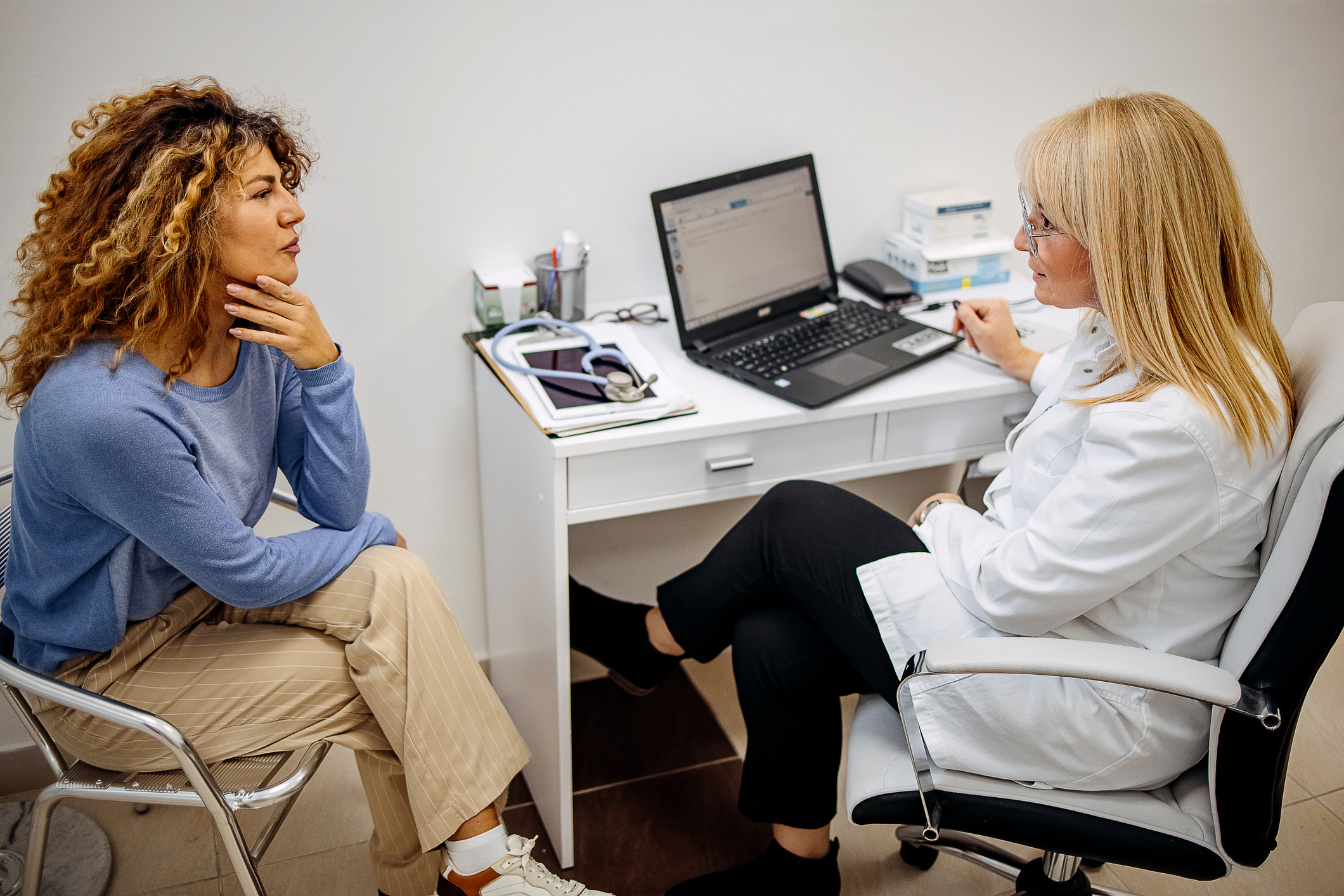
From the clinicians’ perspective, sometimes the first step is to be present with the client, to allow them to feel seen, heard and understood. But, the caring bond is also an essential ingredient in the practice of all healthcare providers. The patient wants to tell you their unique story with their unique symptoms so that you can find the right intervention of healing for them.
The patient responds to our tone of voice, to our interest in them, to eye contact and to the warm or cold feeling we exude. Patients want to feel that they are not just a list of symptoms quickly given and a number on a chart, they want to be seen and listened to. Practitioners want to be able to listen and understand the unique patient in front of them, and, I think both want to feel a positive connection even in the midst of the problem presented.
The caring bond allowed my client to feel connection and by activating positive emotions daily, her connection to others grew. The caring bond for other healthcare practitioners creates a mutual partnership toward healing because it broadens understanding, awareness and expands thinking to see more possibilities for treatment. The positivity resonance that practitioners feel from this interaction is also good for them. Love, or caring, in this instance, turns the “I” into “we” and social bonds are good for our health and provide an impetus for both patient and practitioner to grow and thrive.
Editor’s note: Lorraine Gahles-Kildow, PhD, is a Licensed Psychologist in the State of New Jersey. She received her MPhil and PhD from the City University of New York and her M.A. from Long Island University. Her area of expertise is in cognitive behavior therapy. She has been in private practice for 18 years dealing with adults, teenagers and
About the Author: CJ Weber

Also on Integrative Practitioner

Dental Danger: Signs of Sleep Breathing Disorders in children and Adults, Learn the Visual Clues
Non-Member Price: $30.00 Member Price: $18.00 – 40% Off for Members Only Add to Cart Presented by: Mark Breiner, DDS,...

Integrative and Comprehensive Approach to Inflammatory Bowel Disease
Non-Member Price: $30.00 Member Price: $18.00 – 40% Off for Members Only Add to Cart Presented by: Ronald Hoffman, MD,...

Measuring Biology vs. Symptomatology: The Fully Integrated Functional Wellness Program
Non-Member Price: $30.00 Member Price: $18.00 – 40% Off for Members Only Add to Cart Presented by: Dane Donohue, DC...

Change Your Genes, Change Your Life
Non-Member Price: $30.00 Member Price: $18.00 – 40% Off for Members Only Add to Cart Presented by: Kenneth Pelletier, PhD,...

Guided Imagery – Efficacious, Portable, Scalable, User-Friendly, Self-Administered
Non-Member Price: $30.00 Member Price: $18.00 – 40% Off for Members Only Add to Cart Presented by: Belleruth Naparstek, ACSW...