




Diagnostic clues in Traditional Chinese Medicine
By Melissa Carr, BSc, DrTCM
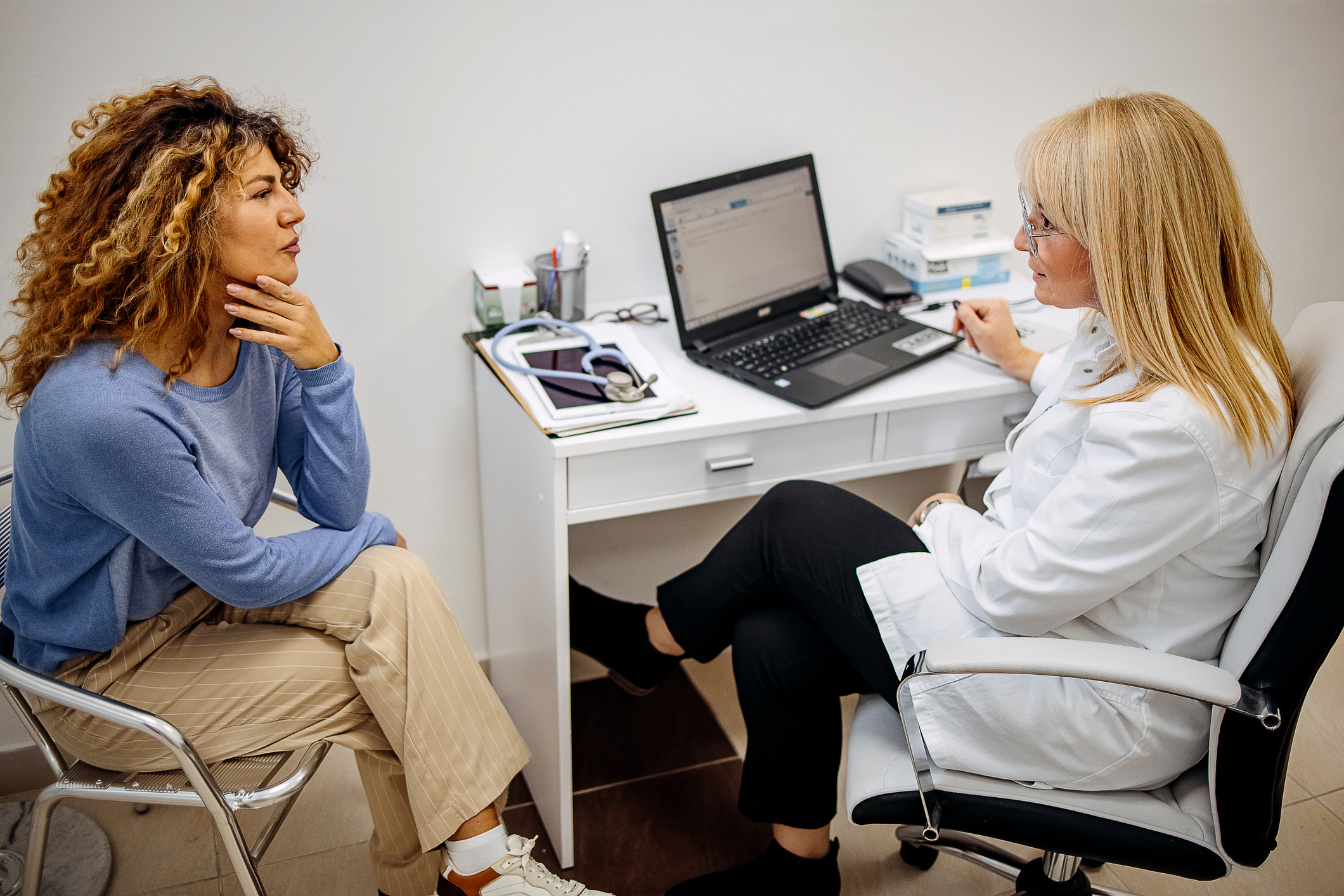
I had a patient, let’s call him Chris, who always comes in with a wool hat pulled over his ears. Yes, I know that these beanie hats are popular, but as I started to delve deeper into making a Traditional Chinese Medicine (TCM) diagnosis for him, the hat seemed like more than a fashion statement.
“Does wearing a hat that covers your ears make you feel safer?” I asked him. Looking surprised, he answered yes and asked me how I knew that.
I don’t normally use people’s clothing choices to make a diagnosis, but a person brings with them many clues about what is going on, so using a wide range of observations can help solidify an assessment.
The Visible
The usual stuff to note includes whether the person has any anomaly in their way of moving around (e.g. a limp or inability to rotate their head fully), clarity of complexion and eyes, color and texture of nails, body shape and tone, bruises or swelling, skin condition and markings, and comportment and demeanor.
In TCM, we can observe a person’s face to help us determine areas of constitutional strength or weakness, which can help us focus our diagnostic questions and make suggestions for customized wellness care. While dark circles or puffiness under the eyes may be a temporary sign of not enough sleep, it can also indicate a TCM Kidney weakness. Do they also have low back pain, joint or bone weakness or pain, a tendency toward urinary tract infections, frequent or difficult urination, enlarged prostate, infertility, tinnitus or problems with hearing, and a tendency toward anxiety and fear?
In the case of my patient with the beanie hat, he didn’t have the dark eye circles, but he did have many of those other symptoms listed here. I didn’t need the additional clue, but I had a feeling that the hat meant something for him, and my asking about it strengthened his confidence that I had a handle on my assessment of him.
Another visible clue is looking at the tongue. TCM practitioners check out the tongue color, shape, and coating. Healthy tongues are pink, appropriately sized to the mouth, and have a thin white coating. Whole books have been written on this topic, so I won’t go into details here, but if you want to add another diagnostic tool, the tongue is an easy thing to ask a patient to show.
Western medicine also recognizes the value of assessing the tongue. Oral candidiasis causes a lumpy, cottage-cheese-like, white coating on the tongue. Vitamin B-12 deficiency can result in a swollen red tongue with no coating. Anemia can cause a pale and thin tongue. Note, as well, that some medications can affect the appearance of the tongue. I’ve seen a black tongue coating with patients who are taking antibiotics, Pepto-Bismol, or antipsychotic medications (or who’ve just eaten licorice!).
The Audible
“Do you have a cold?” I asked my patient.
She thought about it for a moment before answering, “maybe.”
She was feeling tired that day but had been so busy throughout the day that she really hadn’t paid attention to how she was feeling. We can often hear a bit of raspiness and weakness in a voice that is fighting a cold, allowing us to boost the immune system early to prevent a cold from taking hold.
A weak voice may also be a sign of a TCM diagnosis of Lung deficiency and can be confirmed by symptoms like weak immune system, allergies, sensitive skin, shortness of breath, chronic cough, and spontaneous sweating. When paired with other symptoms, a soft voice might indicate a deficiency in other TCM organ systems.
From a TCM perspective, a strong, loud voice tends to signal excess signs, and I most often see it associated with patients who have heat and/or liver syndromes. For example, someone who talks a lot, speaks loudly, has a red face, and reports feeling warm, may benefit from cooler herbs and foods, like peppermint, cucumber, and coptis rhizome (huang lian). The liver excess syndrome person may be easily aggravated, feel a strong need to be in control, have pain from tight muscles, have TMJ syndrome or jaw pain, and have irritated eyes, along with a forceful voice. This person could use some stress management, acupuncture to calm the nervous system, and perhaps some bupleurum root (chai hu).
Practitioners should listen to the sound of a cough, if that happens during an appointment. A loud cough points to excess, while a weak one shows deficiency. We can also note if the cough sounds dry or productive. A dry cough will need herbs that help lubricate the respiratory system, while a productive one needs expectorants.
I have one patient whose jaw used to crack every time she opened her mouth to show me her tongue. When it ceased to do that, I was not surprised when she said that the acupuncture we were doing for her TMJ syndrome was helping, and her jaw was not hurting as much anymore.
The Palpable
Manual therapists—including acupuncturists, massage therapists, chiropractors, physiotherapists, and osteopaths—use palpation as part of our treatments, so we regularly have an opportunity to use what we feel to help with our diagnosis.
Is the skin warm or cold? This may help us distinguish if there is a problem with circulation. It’s not uncommon to notice a person’s skin feels cold from the wrist to the fingertips (like an ice glove) or just the fingers (like they were out in the cold with fingerless gloves on). Though it may not be severe enough to be diagnosed as Raynaud’s syndrome, this indicates an issue with circulation that can be worked on using warming herbs that improve blood flow, such as cinnamon, butcher’s broom, and gotu kola. If the person’s whole body feels cold, TCM would have us warm the Yang energy with herbs like ginger, cloves, and morinda root (ba ji tian).
Conversely, if the person feels warm, observe if there is swelling or redness also present to check if infection or inflammation is obvious. Some people feel heat in what TCM terms the “five centers”—the palms of the hands, soles of the feet, and chest. It is often found with night sweats or hot flashes. The diagnosis for this is Yin Deficiency Heat, which is heat from insufficient Yin cooling energy. This is treated with cooling, moisturizing tonic herbs, different from the heat clearing herbs for an excess heat syndrome that may use purgatives and bitter, cold herbs.
Check if the skin feels dry or moist, soft or rough. Not only can skin texture indicate dermatological issues, but it also can tell what’s happening with the internal body. Dry, cold skin may hint at hypothyroidism when matched with other appropriate symptoms.
Many of our patients will come in describing muscles that feel tight and painful. Sometimes practitioners may feel more muscular tension in the opposite side from the patient’s pain side, thus changing a treatment plan to accommodate that. One patient told me he felt his muscles were in continuous spasm. When I felt those muscles, they had normal tone, and his massage therapist agreed with my assessment. Instead of trying to loosen the muscles he felt were tight, we were able instead to improve his condition by improving his circulation and reducing his stress.
As an acupuncturist, while I use acupuncture points to treat, I also get the benefit of using them to assist in diagnosis. Sometimes I can press on a point that is particularly tender, allowing me to work backward and add to my assessment. I find one common point, called Spleen 6 (Sanyinjiao), is often particularly tender when pressed within a few days of the menstrual period starting or when the digestive system is impaired.
TCM has a unique diagnostic tool in the feeling of the radial pulse at the wrist. In addition to strength and speed of the pulse, we have almost 30 types of pulses that we can diagnose. The pulse is felt at three depths at three adjacent places on each wrist. Once again, there are many books dedicated to this topic, but here are a few of my stories related to the pulse.
Another way I could have determined whether that patient with the raspy voice was fighting a cold was to feel her pulse. If it felt strong at the superficial level (especially on the right wrist, at the most distal wrist crease), but weak when felt deeper, then I could assess that she was defending against a virus or bacteria.
We can even use the wrist pulse to figure out if someone is pregnant. My patient came in complaining of nausea. I felt her pulse and noted that it was a classic example of a pregnancy pulse. When I asked if there was a chance she was pregnant, she was adamant that she was not. I continued with the appointment and treated her, asking her to return for more treatments if the nausea persisted. She returned a few days later saying that she had taken a pregnancy test. It was positive.
The Smellable
Smell is not something we commonly employ to diagnose a patient. First, many people use scented products—shampoos, soaps, perfumes, colognes, deodorants, essential oils—that mask smells. Second, it’s hardly appropriate to ask a patient if we can smell them, so unless the scent is strong, it usually goes unnoticed.
However, for those practitioners who have a sensitive nose or when the scent is strong enough, TCM has some diagnostic cues. Sweet smells point to issues with the TCM Spleen or physiological pancreas. This has long been recognized by conventional physicians who use a sweet or fruity smell of the breath to diagnose diabetic ketoacidosis. Infections have a rancid odor that should be addressed, and aroma has even been used to diagnose schizophrenia, yellow fever, typhoid fever, scurvy, and scrofula.
Dogs have even been used to sniff out cancer because they have a much more sensitive nose than humans. And, one of my patients was saved by his dog who woke his wife in the middle of the night when he had gone into a diabetic coma.
Use Your Common Senses
In this day of blood tests, urine tests, hair analysis, biopsies, x-rays, ultrasounds, MRIs, genetic testing, and more, we may think we need fancy or expensive test results for a diagnosis. However, we have many diagnostic cues using just our common senses.
Editor’s note: Organ names are capitalized to denote the TCM version of the organ, which may not correspond with the physical organ.
About the Author: CJ Weber

Also on Integrative Practitioner

Dental Danger: Signs of Sleep Breathing Disorders in children and Adults, Learn the Visual Clues
Non-Member Price: $30.00 Member Price: $18.00 – 40% Off for Members Only Add to Cart Presented by: Mark Breiner, DDS,...

Integrative and Comprehensive Approach to Inflammatory Bowel Disease
Non-Member Price: $30.00 Member Price: $18.00 – 40% Off for Members Only Add to Cart Presented by: Ronald Hoffman, MD,...

Measuring Biology vs. Symptomatology: The Fully Integrated Functional Wellness Program
Non-Member Price: $30.00 Member Price: $18.00 – 40% Off for Members Only Add to Cart Presented by: Dane Donohue, DC...

Change Your Genes, Change Your Life
Non-Member Price: $30.00 Member Price: $18.00 – 40% Off for Members Only Add to Cart Presented by: Kenneth Pelletier, PhD,...
Guided Imagery – Efficacious, Portable, Scalable, User-Friendly, Self-Administered
Non-Member Price: $30.00 Member Price: $18.00 – 40% Off for Members Only Add to Cart Presented by: Belleruth Naparstek, ACSW...