






The philosophy and most popular practices of biohacking
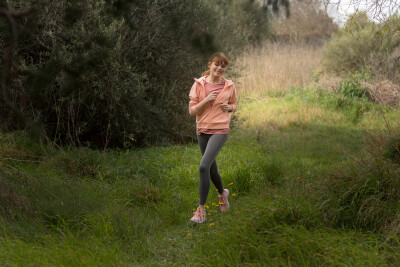
Photo Cred: Leyla Helvaci/Pexels
By Brittany Vargas
Biohacking and longevity practices are no longer only in the realm of early adopters and the wealthy elite — they’re growing more and more mainstream, said Tom Ingegno DACM, MSOM, LAc, at Charm City Integrative Health in Baltimore, Maryland.
They also represent a very different approach to health than that of traditional medicine, he said.
Biohacking has been described as “garage biology, do it yourself (DIY) biology, DIY genetics, DIY medicine, DIY science.” Its practitioners engage in lifestyle practices, some involving technology, to achieve goals such as increasing lifespan, preventing disease, and enhancing the overall performance of their bodies, according to Ingegno.
“The key thing about biohacking is what works for you might be great for you, but it might not do a thing for me,” he said, adding that biohacking involves knowing your body, testing things out, and seeing what works using both qualitative and quantitative evidence, such doing blood work before and after a treatment.
He emphasized that while large studies demonstrating the varying effects of treatments across diverse populations is helpful, biohacking ultimately comes down to the individual.
“With biohacking, the key thing is N = 1 — that means the number of participants equals one. You never want to see a study like that, but when we’re talking about our own health, that’s what it comes down to,” he said.
Many biohacks — such as cryotherapy and red light therapy — are inspired by decades old prescriptive remedies like jumping in a cold lake in winter or getting enough sunlight, said Ingegno.
Some also activate the body’s natural healing mechanisms, according to Andrew Neville, ND, at Clymer Healing Center in Quakertown, Pennsylvania who helps clients hack their nervous system by stimulating the vagus nerve.
“There is no more powerful healing process than to turn on the body’s innate ability to heal itself. Our bodies have been healing themselves for thousands of years,” said Neville.
Cryotherapy
Cryotherapy — one of Ingegno’s services — is a type of cold immersion therapy that involves “stepping into a cryosauna which is chilled with liquid nitrogen to over -265 degrees for up to three minutes. The person in the chamber wears gloves, socks, clogs, and underwear,” according to the Charm City Integrative Health website.
It continues, “The intense cold causes the surface of the body to drop up to 30 degrees in temperature, triggering some significant health benefits.”
He said these benefits include activating the autonomic nervous system, promoting sleep, reducing pain, improving emotional health, and even getting a euphoric “runner’s high.”
According to Ingegno, these outcomes are known benefits of any cold immersion therapy, which can include “everything from jumping in a cold lake in the winter to ice baths. Each of them is playing on a bunch of different functions: reducing inflammation and driving all the cytokines, lactic acid, or whatever it is in the bloodstream, back to the core of the body where it can be processed and hopefully getting fresh blood back to that tissue.”
A 2019 study in Current Sports Medicine Reports noted that cryotherapy “has promising cellular and physiologic effects which may be beneficial after vigorous exercise and/or musculoskeletal injury.”
Red light therapy
Grant Radermacher, DC, at Ascent Chiropractic in Brookfield, Wisconsin uses red light therapy in his office to treat pain and enhance performance and recovery for athletes. He said red light helps support cellular respiration, which has a range of benefits.
“Red and near-infrared light allow the mitochondria to create more energy, more efficiently, stimulating the body’s natural healing and protection mechanisms. This can result in improved skin health, reduced pain and inflammation, better sleep, and enhanced muscle recovery,” he said.
Ignegno, who also offers red light therapy, noted how accessible the service is.
“It’s pretty easy — you sit in front of a red light. It’s not labor intensive for anybody,” he said.
Radermacher is increasingly using red light therapy with endurance athletes who are looking for a competitive edge, though he said it’s been used for decades by dermatologists and aestheticians because of how it enhances skin health.
“It’s been shown to smooth skin tone, repair sun damage, decrease inflammation, reduce scarring, and boost production of collagen and elastin,” he said.
Vagus nerve stimulation
When it comes to our nervous systems, vagus nerve stimulation is a hack that can promote anti-aging, lower inflammation, improve immunity and digestion, repair oxidative stress, stimulate the detoxification process, and stimulate mitochondrial repair, said Neville.
He specializes in treating chronic stress, including adrenal fatigue, and educates patients about how they can activate their vagus nerve on a daily or even hourly basis.
“There is no quick and easy way to turn on the vagus nerve. It takes repeated effort and attention and practice, incorporated into a daily practice,” he said.
The remedies he gives patients are simple, such as “getting outside in nature and being present and mindful, and experiencing gratitude and the feeling of awe when exposed to beauty or inspiration. Even a basic experience like chewing or humming or savoring a positive experience from our past does the trick.”
EWOT (exercising with oxygen)
Increasing oxygen levels in the blood is a popular hack that first began with hyperbaric oxygen chambers, which have been used in medical settings to treat decompression sickness and serious infections, said Ingegno.
There is significant evidence to support hyperbaric oxygen therapy’s ability to treat a range of issues. In a 2019 study in Brain Circulation, researchers concluded the therapy could help treat traumatic brain injury and stroke.
Ingegno’s service EWOT — exercising with oxygen — has its origins in hyperbaric chambers, which can increase blood saturation rate by 30 percent and require sitting in the chamber for an hour.
He said that EWOT can help the blood absorb up to 433 percent more oxygen. And while a chamber uses pressure to increase oxygen levels in the blood, EWOT uses a different method.
“Instead of using pressure to force more oxygen into the body, this plays with the physiological changes that happen,” he said.
EWOT requires exercising on a bike while wearing a mask attached to a bag, he explained. One section has 95 percent pure oxygen, another is a “high altitude bag” with 20 percent oxygen. Patients warm up while breathing into the oxygen bag, then sprint while breathing high altitude air.
“What happens when you’re sprinting at high altitude is that the red blood cells lose oxygen, and it changes the PH of your blood to be a little bit more basic. What happens next is a self-preservation thing: You get more CO2 out of your body. It also makes your body absorb more oxygen. After the short sprint, when you recover on pure oxygen, your red blood cells quickly bounce back up to 100 percent and you’ll stockpile the excess oxygen.”
He said the oxygen remains elevated for three days after, and can help athletes perform and recover better, leave people feeling refreshed, and help those with head injuries who are trying to get more oxygen to their brains.
About the Author: CJ Weber

Also on Integrative Practitioner

Dental Danger: Signs of Sleep Breathing Disorders in children and Adults, Learn the Visual Clues
Non-Member Price: $30.00 Member Price: $18.00 – 40% Off for Members Only Add to Cart Presented by: Mark Breiner, DDS,...

Integrative and Comprehensive Approach to Inflammatory Bowel Disease
Non-Member Price: $30.00 Member Price: $18.00 – 40% Off for Members Only Add to Cart Presented by: Ronald Hoffman, MD,...

Measuring Biology vs. Symptomatology: The Fully Integrated Functional Wellness Program
Non-Member Price: $30.00 Member Price: $18.00 – 40% Off for Members Only Add to Cart Presented by: Dane Donohue, DC...

Change Your Genes, Change Your Life
Non-Member Price: $30.00 Member Price: $18.00 – 40% Off for Members Only Add to Cart Presented by: Kenneth Pelletier, PhD,...
Guided Imagery – Efficacious, Portable, Scalable, User-Friendly, Self-Administered
Non-Member Price: $30.00 Member Price: $18.00 – 40% Off for Members Only Add to Cart Presented by: Belleruth Naparstek, ACSW...