






A naturopathic approach to managing menopause and autoimmunity
Photo Cred: Pratiksha Mohanty/Unsplash
By Carolina Brooks, BA, IFMCP
A large proportion of my autoimmune patients develop their symptoms and get their diagnoses during their menopausal years. The most prevalent conditions I see in women of this demographic are systemic lupus erythematosus (SLE), Hashimoto’s thyroiditis, rheumatoid arthritis, and Sjogren’s syndrome. Many patients see clear benefits and more stable immune function when they are taking bioidentical hormones and supportive herbs, it’s clear the role sex hormones play a role in immune function is not clearly understood, as this is not something that I see addressed through allopathic medicine.
The prevalence of most autoimmune diseases is known to be greater in female. A 2020 narrative review in Cureus postulated that women have a greater risk of autoimmunity due to the X chromosome having more immune-related and immunoregulatory genes than the Y chromosome, which logically will increase the possibility of genetic mutations occurring. X activation is a phenomenon that occurs at random in the early stages of embryonic development to ensure only one functional copy of the X chromosome is present in each body cell to prevent overexpression of genes, which may create a polymorphic antigenic immune response. This is a leading theory for the pathogenesis of SLE.
A 2009 review in Current Molecular Medicine also hypothesised that differing environmental exposures, innate differences in female and male immune systems, and differences in how target organs with stand damage play a role.
Periods of hormonal changes combined with physiological changes in basal metabolic rate, lipid and blood glucose levels in puberty, pregnancy and menopause could potentially trigger an immune response due to the impact of sex hormones on our immune function. A 2003 review in The Journal of Endocrinology discussed the potential stimulatory action of gonadotropin-releasing hormone on the immune response, and another example of hormonal impact on immune function was made in a 1995 paper, which observed a significant increase in monocyte numbers in post-menopausal subjects. SLE sees alterations in both macrophages and monocyte levels, promoting an inflammatory milieu and increasing disadaptation of immune function.
A key factor in the pathogenesis of autoimmune disease is digestive health as studies have linked certain gut microbes with autoimmune disease. A 2010 review in Cell Host & Microbe discussed the disruption of immune homeostasis and the induction of inflammation and colitis linked with various known autoimmune triggers, Klebsiella pneumoniae and Proteus mirabilis. A 2012 review in Gender Medicine concluded that the increase of gastrointestinal symptoms occurring during menstruation and in early menopause could well be down to declining ovarian estrogen and progesterone levels. Disrupted gut motility would facilitate small bacterial overgrowth in the small intestine, a common issue for autoimmune patients.
Stress, thyroid dysfunction, and a sluggish gall bladder also impacts gut motility, which is why I always use digestive assimilation support, and teach patients ileo-cecal valve massage and vagal nerve exercises. We also use frequency specific microcurrent to address adhesions caused by scar tissue in the pelvic area. Many of my patients who have had multiple laparoscopies, caesarean sections, or who may have had chronic gut inflammation benefit from visceral manipulation in this area as often motility issues will have a structural component.
Key strategies for regulating the immune response are first and foremost, lifestyle-related. Many of my patients in this demographic are stressed due to work and family commitments, and are not sleeping well, often due to vasomotor symptoms like hot flushes and heart palpitations. These patients often need to be coached so they understand that without proper sleep, the immune system is unlikely to regulate, and that they need to prioritize their health to find the time to implement stress management strategies and good sleep hygiene, recognize toxic relationships and dynamics, implement boundaries, and find time for activities that bring them joy.
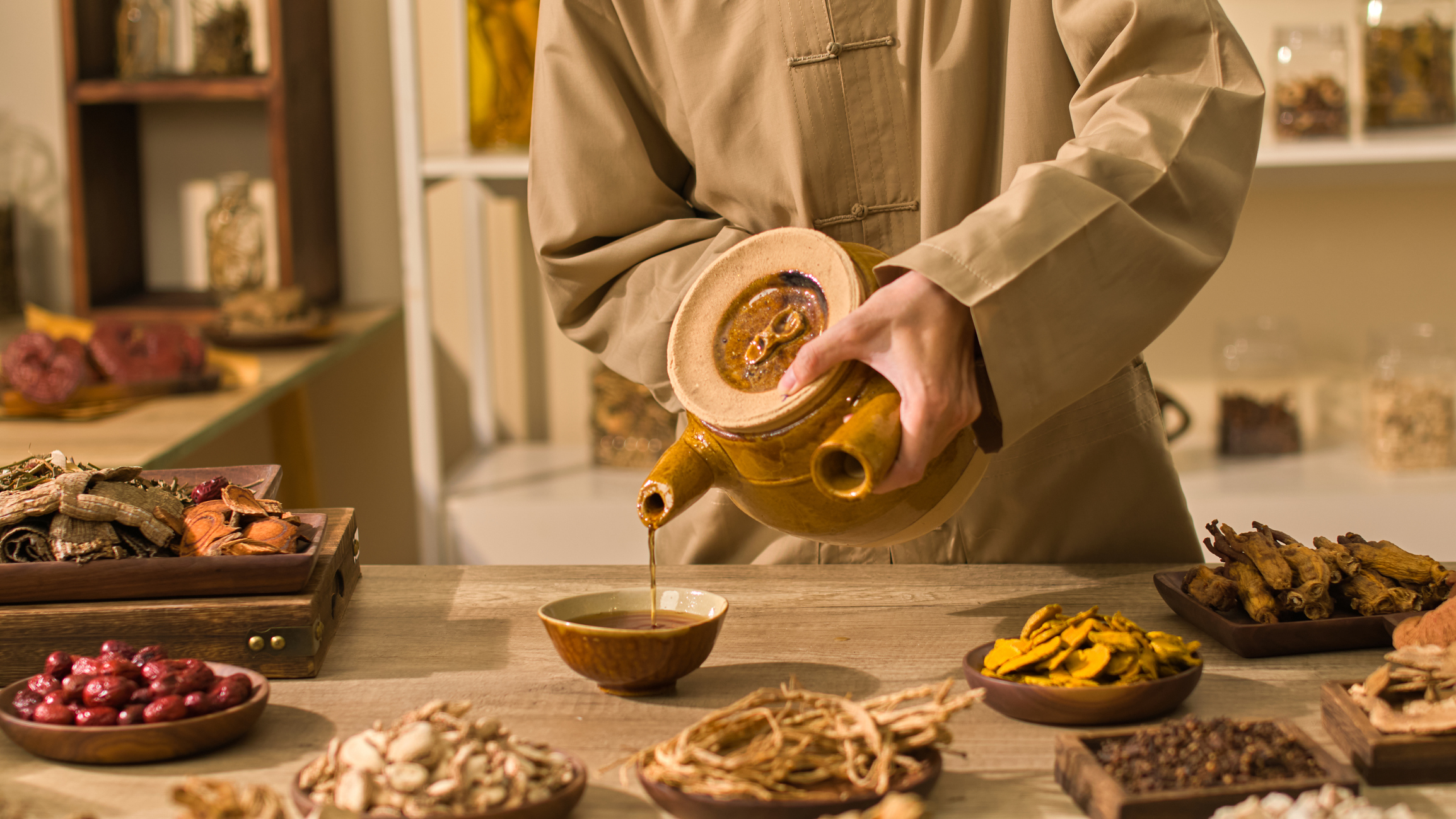
Additionally, key herbs for a cold night time infusion to support sleep and reduce hot flushes and palpitations include (Crataegus oxyacantha), sage (Salvia officinalis), vervain (Verbena officinalis), and black cohosh (Actaea racemosa), and I often use phytoestrogenic, adaptogen herbs and medicinal mushrooms such as dong quai (Angelica sinensis), astragalus (Astragalus membranaceus),reishi (Ganoderma lucidum), cordyceps (Cordyceps sinensis), and ashwagandha (Withania somnifera) to support immune function, stress resilience, lipid and blood sugar regulation.
If a patient has recently diagnosed been diagnosed with autoimmune issues, it can be challenging to reiterate that they can’t just cut down on cross-reactive foods, but that they have to be strictly and completely eliminated. This is often due to the confusion they feel by being told conflicting things. So many patients with thyroid autoimmunity have been told by their primary care physicians that they can eat whatever they want, and that there is no specific autoimmune diet to follow. I agree on the latter, because I believe every patient needs a fully personalized approach and as much diversity in their diet as possible to optimize immune function.
I’ve also found that very few patients in my clinic have had to follow a strict legume and nut-free Paleo autoimmune diet to get into remission. The issue historically with receiving this conflicting information I put down to a historical lack of awareness, education, and resistance to an integrative collaborative approach. As our healthcare system has been hugely overburdened during the last eighteen months due to the pandemic, this attitude is slowly and encouragingly starting to shift.
References
Angum, F., Khan, T., Kaler, J., Siddiqui, L., & Hussain, A. (2020) The Prevalence of Autoimmune Disorders in Women: A Narrative Review. Cureus, 12(5), e8094. Retrieved from: https://doi.org/10.7759/cureus.8094
Ben-Hur, H., Mor, G., Insler, V., Blickstein, I., Amir-Zaltsman, Y., Sharp, A., Globerson, A., & Kohen, F. (1995) Menopause is associated with a significant increase in blood monocyte number and a relative decrease in the expression of estrogen receptors in human peripheral monocytes. American Journal ofRreproductive Immunology (New York, N.Y. : 1989), 34(6), 363–369.Retrieved from: https://doi.org/10.1111/j.1600-0897.1995.tb00965.x
Garrett, W. S., Gallini, C. A., Yatsunenko, T., Michaud, M., DuBois, A., Delaney, M. L., Punit, S., Karlsson, M., Bry, L., Glickman, J. N., Gordon, J. I., Onderdonk, A. B., & Glimcher, L. H. (2010) Enterobacteriaceae act in concert with the gut microbiota to induce spontaneous and maternally transmitted colitis. Cell Host &Microbe, 8(3), 292–300. Retrieved from: https://doi.org/10.1016/j.chom.2010.08.004
Heitkemper, M. M., & Chang, L. (2009) Do fluctuations in ovarian hormones affect gastrointestinal symptoms in women with irritable bowel syndrome?. Gender Medicine, 6 Suppl 2(Suppl 2), 152–167. Retrieved from: https://doi.org/10.1016/j.genm.2009.03.004
McCombe, P. A., Greer, J. M., & Mackay, I. R. (2009) Sexual Dimorphism in Autoimmune Disease. Current Molecular Medicine, 9(9), 1058–1079. Retrieved from: https://doi.org/10.2174/156652409789839116
Tanriverdi, F., Silveira, L. F., MacColl, G. S., & Bouloux, P. M. (2003) The hypothalamic-pituitary-gonadal axis: immune function and autoimmunity. The Journal of Endocrinology, 176(3), 293–304. Retrieved from: https://doi.org/10.1677/joe.0.1760293
About the Author: CJ Weber

Also on Integrative Practitioner

Dental Danger: Signs of Sleep Breathing Disorders in children and Adults, Learn the Visual Clues
Non-Member Price: $30.00 Member Price: $18.00 – 40% Off for Members Only Add to Cart Presented by: Mark Breiner, DDS,...

Integrative and Comprehensive Approach to Inflammatory Bowel Disease
Non-Member Price: $30.00 Member Price: $18.00 – 40% Off for Members Only Add to Cart Presented by: Ronald Hoffman, MD,...

Measuring Biology vs. Symptomatology: The Fully Integrated Functional Wellness Program
Non-Member Price: $30.00 Member Price: $18.00 – 40% Off for Members Only Add to Cart Presented by: Dane Donohue, DC...

Change Your Genes, Change Your Life
Non-Member Price: $30.00 Member Price: $18.00 – 40% Off for Members Only Add to Cart Presented by: Kenneth Pelletier, PhD,...

Guided Imagery – Efficacious, Portable, Scalable, User-Friendly, Self-Administered
Non-Member Price: $30.00 Member Price: $18.00 – 40% Off for Members Only Add to Cart Presented by: Belleruth Naparstek, ACSW...