





Investigating chronic Lyme disease and coinfections
Photo Cred: Erik Karits/Pexels
By Carolina Brooks, BA, IFMCP
Very few patients come into clinic thinking they might have Lyme disease, let alone coinfections. They don’t remember ever being bitten by a tick, developing a bullseye rash, or going to a Lyme-endemic area. They have held successful careers, competed in triathlons, and felt healthy for so long. Then, things start to go downhill, and they crash. They are exhausted and their bodies ache, they experience unexplained migraines or neuropathies, and they are anxious or cannot sleep.
Lyme disease is now an endemic globally and across the United States, likely due to global warming and changes in weather. A February 2021 article in Emerging Infectious Diseases looked at commercial insurance claims data and estimated that nearly half a million patients in the U.S. were diagnosed with and treated for Lyme disease within the eight-year period of 2010 to 2018. The study acknowledges that this number may not represent those who have not accessed insurance-based healthcare, and it’s unlikely to include chronic Lyme disease sufferers because traditional testing methodologies such as polymerase chain reaction (PCR) are not testing accurately due to poor sensitivity, and most serologies such as immunofluorescence assay (IFA) western blot and enzyme-linked immunosorbent assay (ELISA), are missing other strains and species of Borrelia. As a result, many practitioners are seeing false negatives, and Borrelia co-infections are also missed.
It’s also worth considering transmission routes. Similar to Syphilis, Borrelia is a spirochete. A 2015 editorial in Expert Review of Anti-Infective Therapy reviewed the literature which investigated the evidence for sexual transmission in animal models and humans, and concluded that it was possible and warranted further investigation, particularly as a 2013 study in F1000 Research found motile spirochetes in cultures of genital secretions of subjects diagnosed with Lyme disease. The U.S. Centers for Disease Control and Prevention (CDC) also now acknowledges the possibility of transmission in utero.
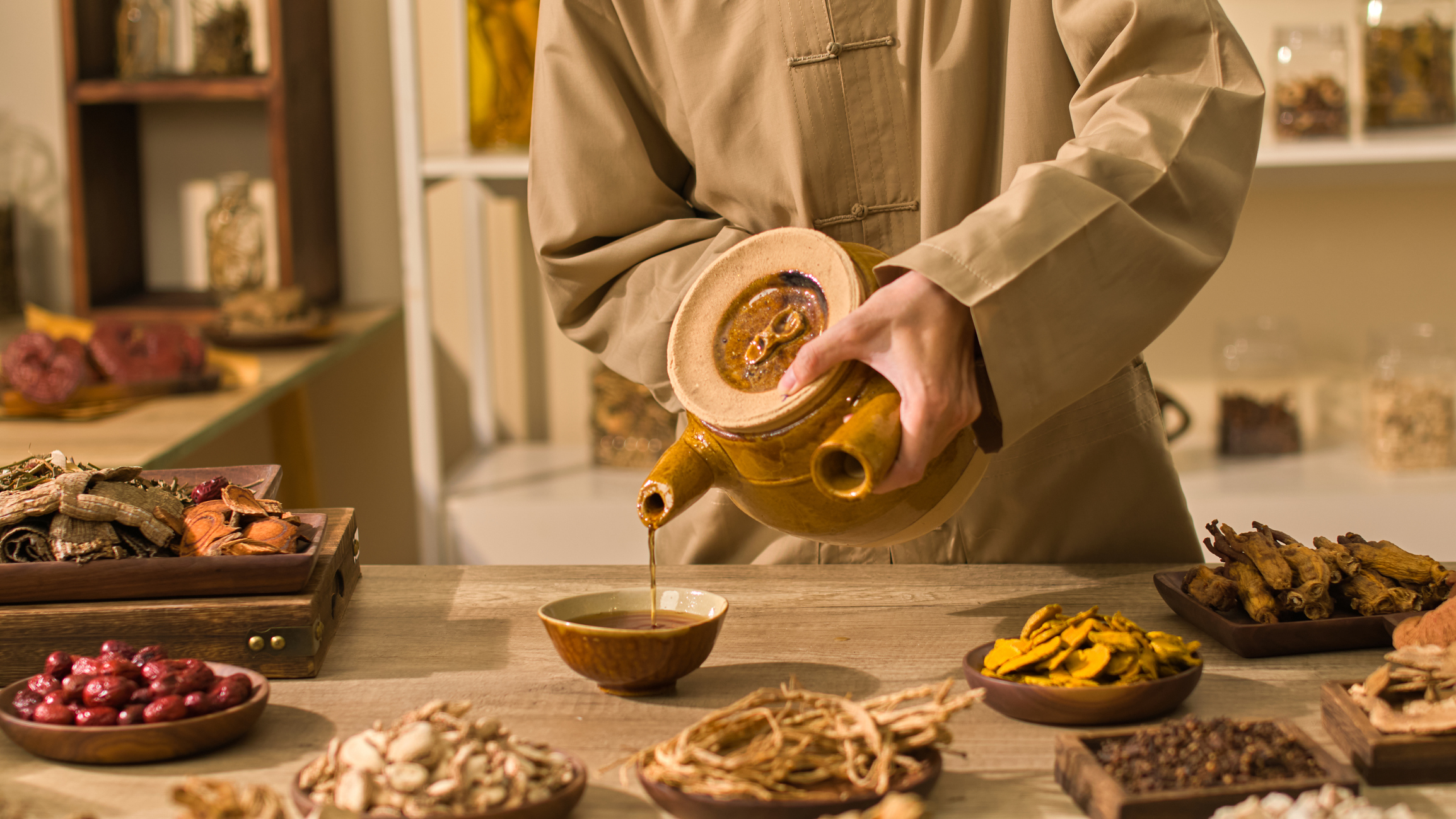
The Lyme disease spirochete not only could form cystic structures and hide in biofilms, but it contains enzymes which facilitate tissue penetration, all of which allow the organism to evade antibiotic therapy and persist in a hostile environment. This is why a course of antibiotics might fail, and why I believe using herbal blends in rotation is the best way to address chronic infection, particularly if coinfections are present and a broader approach is required.
There are different protocols developed by clinicians, including the Cowden or Buhner protocols, and there are various companies making herbal formulations targeting different pathogens at drop doses. As a master herbalist, I personalize my recommendations and, although I start at very small doses, I don’t start with antimicrobials. When I do start using them, I formulate to avoid aggressive dosing of antimicrobials by including herbs to support digestion, detox pathways, mood, cardiovascular health and vascular integrity, as well as using herbs for overall immune support and adaptogens such as ashwagandha (Withania somnifera), brahmi (Bacopa monnieri), liquorice (Glycyrrhiza glabra) and tulsi (Ocimum sanctum) for supporting resilience, blood pressure regulation, brain health, and addressing mast cell activation.
Some of the biggest mistakes I see is clinicians starting with strong herbs like Cryptolepsis (Cryptolepsis sanguinolenta), common wireweed (Sida acuta), fish wort (Houttuynia cordata), dan shen (Salvia militorrhiza), and goldenthread (Coptis chinensis), instead of considering that they might want to start by using gentler herbs to addressing foundational factors such as supporting liver detoxification pathways with turmeric (Curcuma longa),artichoke (Cynara scolymus) or schisandra (Schisandra chinensis), and using gentler herbs such as cleavers (Galium aparine) and hawthorn (Crataegus oxycantha) to avoid lymphatic congestion or triggering vasculitis. These are common complaints I see clinically occurring with Lyme and Bartonella.
A key herb I might include when I start working with someone is Japanese knotweed (Polygonum cuspidatum), which a 2017 clinical trial reviewed in Oxidative Medicine and Cellular Longevity demonstrated has significant anti-inflammatory and immunomodulatory activity. I use this liposomally, as phosphatidylcholine can help to clear toxins from the nervous system. I also include mitochondrial support such as glutathione, B vitamins, vitamin C, zinc, and magnesium. I have started to recommend molybdenum for almost all patients when they start working with me because so many people have sulfite pathway issues, and it’s an inexpensive supplement.
There is no hard and fast diet for Lyme patients. Dietary recommendations should be adjusted according to how the patient is presenting. If there is neuroinflammation present, I would shift the patient over to a more ketogenic-friendly diet once I had done some gut-clearing work, or if the patient was experiencing histamine overload, then a low histamine diet might be more appropriate.
It’s also worth considering and possibly testing for Lyme cross-reactive foods. A 2015 research article in Journal of Clinical & Cellular Immunology discussed the cross-reactivity of the Borrelia burgdoferi antibody reacting to thirty-nine different foods.
Case Study
I remember a patient who was experiencing severe fatigue, hair loss, severe constipation, unresponsive hypothyroidism, and brain fog. He was not improving at the speed I would have expected, so we ordered a cross-reactive foods panel. He tested positive for a number of Borrelia cross-reactive foods. I suggested that we do some testing for Lyme disease and coinfections, but he was adamant he had never been bitten by a tick or experienced any sort of unusual flu-like illness in the warmer months.
He then remembered that a few years before, he had been bedridden for a week in August for exactly those symptoms. We started to address the stealth pathogens present, brought in frequency specific microcurrent on a daily basis, and I recommended he start limbic system retraining exercises, and we started to see the improvements I had anticipated months before.
I also started working with a teenage boy and his mother about a year ago. They both tested positive for Lyme disease, Bartonella, and Babesia. The boy’s father also tested and although his result was positive, the rest of his bloodwork was perfect, his immune system seemed to be functioning well, and he was asymptomatic.
The son had the typical Bartonella striae rash, gastroparesis, mast cell activation syndrome, and severe chronic fatigue, while the mother primarily suffered joint pain, tinnitus, and neuropsychiatric symptoms including depression, bipolar disorder, and depersonalization. She believed she had transmitted these infections in utero, and although these are all common Lyme disease and coinfection symptoms, it was not something that had previously been investigated.
I did not treat the father as he was asymptomatic. The only time I will treat an asymptomatic case is prophylactically if there has been a known exposure to Lyme disease.
The son felt much stronger and more energized when he introduced some grains back into his died and started following a primarily plant-based low histamine diet. His digestion improved with frequency specific microcurrent, visceral manipulation and appropriate enzyme supplementation. His mother on the other hand, felt better on a ketogenic diet, but found it incredibly hard to maintain it. She responded very well to hyperbaric oxygen therapy, breathing exercises, and implementing gentle exercise and regular stress management techniques.
They both had different herbal protocols, and this is a good example of how every patient must be managed individually because what works for one is not relevant for another.
References
Espinoza, J. L., Trung, L. Q., Inaoka, P. T., Yamada, K., An, D. T., Mizuno, S., Nakao, S., & Takami, A. (2017) The Repeated Administration of Resveratrol Has Measurable Effects on Circulating T-Cell Subsets in Humans. Oxidative Medicine and Cellular Longevity, 2017, 6781872. Retrieved from: https://doi.org/10.1155/2017/6781872
Kugeler, K. J., Schwartz, A. M., Delorey, M. J., Mead, P. S., & Hinckley, A. F. (2021) Estimating the Frequency of Lyme Disease Diagnoses, United States, 2010–2018. Emerging Infectious Diseases, 27(2), 616-619. Retrieved from: https://doi.org/10.3201/eid2702.202731
Middelveen, M. J., Burke, J., Sapi, E., Bandoski, C., Filush, K. R., Wang, Y., Franco, A., Timmaraju, A., Schlinger, H. A., Mayne, P. J., & Stricker, R. B. (2014) Culture and identification of Borrelia spirochetes in human vaginal and seminal secretions. F1000 Research, 3, 309. Retrieved from: https://doi.org/10.12688/f1000research.5778.3
Stricker, R.B., and Middelveen, M.J. (2015) Sexual transmission of Lyme disease: challenging the tickborne disease paradigm, Expert Review of Anti-infective Therapy, 13:11, 1303-1306. Retrieved from: https://www.tandfonline.com/doi/full/10.1586/14787210.2015.1081056
Vojdani, A. (2015) Reaction of Monoclonal and Polyclonal Antibodies Made Against Infectious Agents with Various Food Antigens. Journal of Clinical & Cellular Immunology, 2015, 6:5. Retrieved from: https://www.longdom.org/open-access/reaction-of-monoclonal-and-polyclonal-antibodies-made-against-infectious-agents-with-various-food-antigens-2155-9899-1000359.pdf
About the Author: CJ Weber

Also on Integrative Practitioner

Dental Danger: Signs of Sleep Breathing Disorders in children and Adults, Learn the Visual Clues
Non-Member Price: $30.00 Member Price: $18.00 – 40% Off for Members Only Add to Cart Presented by: Mark Breiner, DDS,...

Integrative and Comprehensive Approach to Inflammatory Bowel Disease
Non-Member Price: $30.00 Member Price: $18.00 – 40% Off for Members Only Add to Cart Presented by: Ronald Hoffman, MD,...

Measuring Biology vs. Symptomatology: The Fully Integrated Functional Wellness Program
Non-Member Price: $30.00 Member Price: $18.00 – 40% Off for Members Only Add to Cart Presented by: Dane Donohue, DC...

Change Your Genes, Change Your Life
Non-Member Price: $30.00 Member Price: $18.00 – 40% Off for Members Only Add to Cart Presented by: Kenneth Pelletier, PhD,...
Guided Imagery – Efficacious, Portable, Scalable, User-Friendly, Self-Administered
Non-Member Price: $30.00 Member Price: $18.00 – 40% Off for Members Only Add to Cart Presented by: Belleruth Naparstek, ACSW...