





Targeting sleep disorders to improve patient heart health
Photo Cred: Ketut Subiyanto/Pexels
By Catherine Darley, ND
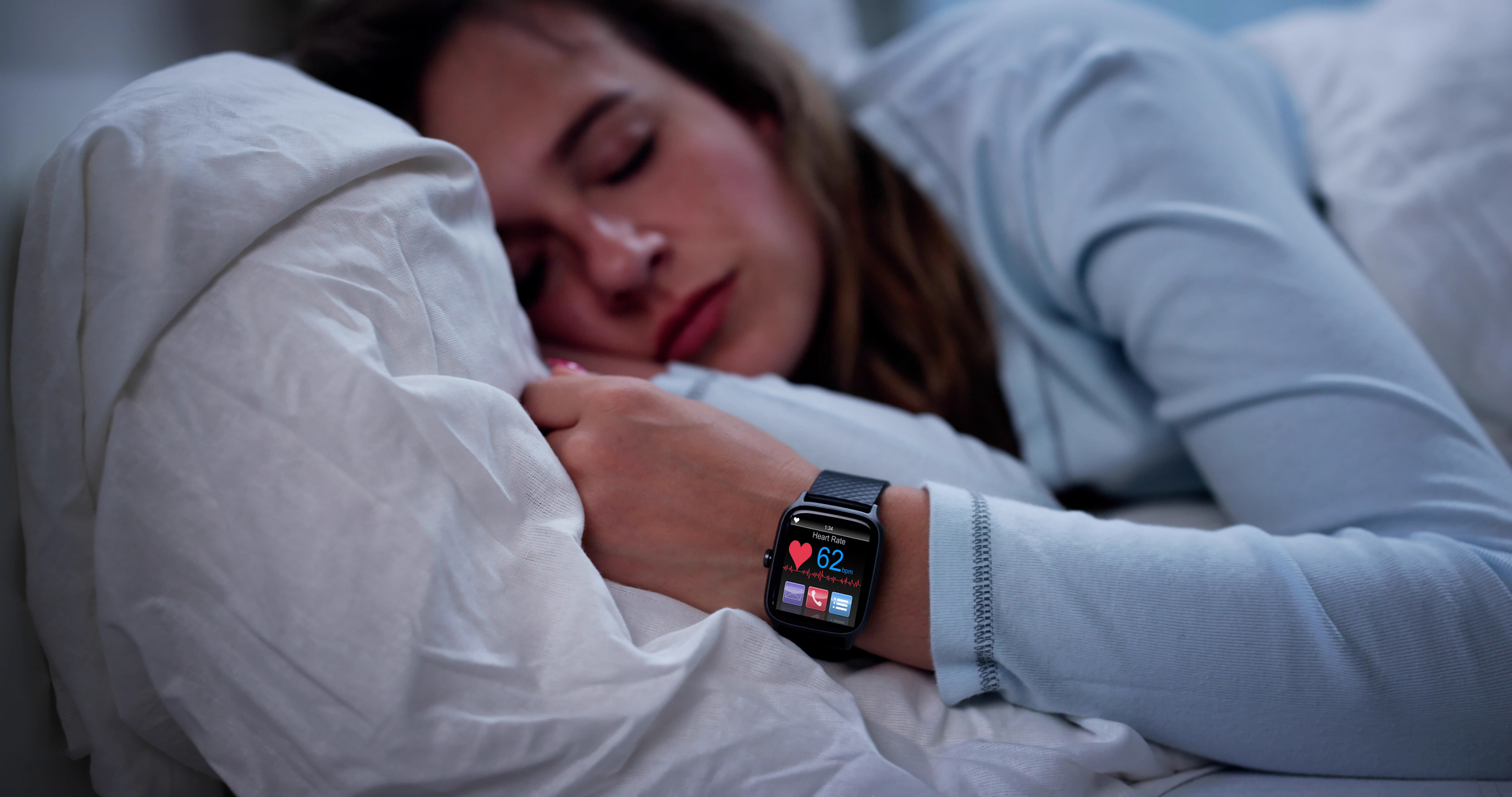
Heart disease is a leading cause of death in Americans, with 2020 statistics accounting for 690,000 deaths in twelve months. As integrative practitioners, we strive to provide holistic care by addressing and treating all of the contributing factors to patients’ heart disease. One factor we can minimize with diagnosis and effective treatment is sleep disorders. Many sleep disorders, from obstructive sleep apnea (OSA) to restless legs syndrome to insomnia, contribute to heart disease.
OSA is associated with increased risks of several types of cardiovascular disease, including atrial fibrillation, coronary artery disease, heart failure, hypertension, and stroke. Between 40-60 percent of those with cardiovascular disease have OSA. In OSA, the patient experiences repeated apneic pauses of 10 seconds or more throughout the night, from 5 times an hour to more than 30. At the end of each apneic pause, there often is an increase in the heart rate, blood pressure, and release of the sympathetic hormones adrenaline and noradrenaline. About 34 percent of men, and 17 percent of women, have OSA. The rate of OSA in post-menopausal women increases, as estrogen has a protective effect on the tone of the airway.
Several other sleep disorders are associated with increased risk of cardiovascular disease. Short sleep duration and sleep disruption contribute to coronary artery disease (odds ratio 1.43) and myocardial infarction (odds ratio 1.23). Restless legs syndrome (RLS) also increases the hazard ratio of cardiovascular disease to 1.53 those without RLS. Effective pharmacological treatment reduces the hazard ratio to 1.26.
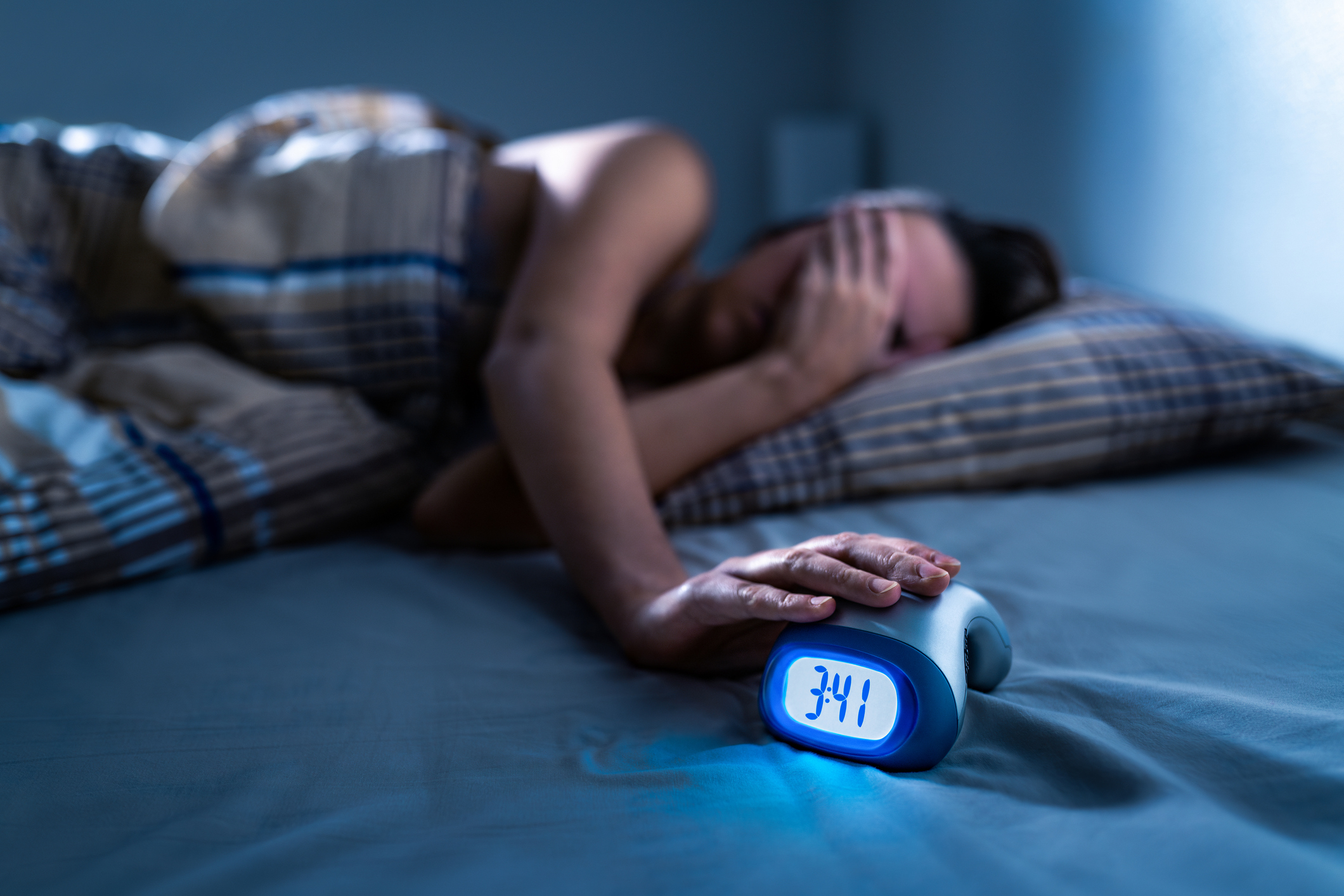
The first approach to address sleep for improved heart health is to prescribe optimal sleep duration for each patient as consistently as we make diet and exercise recommendations. This is critical, as a third of Americans get insufficient sleep. Adults aged 25 to 65 years old need between seven to nine hours of sleep each night. Patients must get the unique amount of sleep that the need individually, and not compare to what their friends or family need. If the patient is waking to an alarm, they have not gotten adequate sleep.
Another indication of insufficient sleep is sleeping more on days off. A good way to identify how much sleep your patient does best with is for them to spend 10 hours in bed, for 10 nights in a row, and see how much sleep they settle at by the end of the 10 nights.
Secondly, screen patients for OSA, and even for snoring. Good screening questions include:
- Do you have a family history of OSA?
- Do you snore?
- Has anyone reported that your breathing pauses in your sleep?
- Do you wake yourself with a snort or gasp?
Practitioners should also ask patients about daytime symptoms such as excessive daytime sleepiness, morning headaches or memory loss, or erectile dysfunction for male patients. One validated questionnaire is the Stop-Bang, which assesses OSA risk with eight questions.
Conduct a physical exam of the upper airway to evaluate how open or easily obstructed it might be during sleep. To diagnose OSA, practitioners can order a sleep study, either at a sleep disorders center, or via a home sleep study. Home sleep studies are appropriate when OSA is moderate or severe, however are not sensitive enough to detect mild OSA, and are not indicated if other sleep disorders such as Periodic Limb Movement Disorder are suspected.
There is a risk that getting a repeat, in center, sleep study via insurance will be difficult after a home study, so if a practitioner suspects their OSA may be mild, order an in-center study first. The in-home sleep study for mild apnea may give a false negative, so patients could end up with the heart health risks of undiagnosed and untreated obstructive sleep apnea.
Established treatment options for OSA include Continuous Positive Sleep Apnea (CPAP) which works by splinting open the airway during sleep with pressurized room air. The CPAP is titrated to eliminate all apneic events, including at times of increased OSA severity such as while supine and in REM sleep. Other treatment options include a customized Mandibular Advancement Device, best fitted by a dentist with a Dental Sleep Medicine certificate. These devices bring the mandible one to five millimeters forward, so monitoring of the temporo-mandibular joint and bite is necessary.
The newest treatment is hypoglossal nerve stimulation, an electrical implant that keeps the back of the tongue toned and the airway open during sleep. There are also many surgical options which increase the size of the airway, so it is not easily obstructed.
If a practitioner chooses an alternative treatment, they should confirm its’ effectiveness for their patient with a repeat sleep study. OSA tends to progress over time, so it’s recommended to repeat the sleep study and modify treatment as necessary every five years or whenever there has been a significant weight change.
If a patient has simple snoring, continue to monitor over the years for development of OSA. In the meantime, do what you can to decrease snoring, as there is some increased risk of cardiovascular disease. For some people, snoring decreases with side-sleeping, exercise, or weight loss.
If a patient has insomnia, also associated with increased risk of cardiovascular disease, the recommended treatment is Cognitive Behavioral Treatment for Insomnia (CBT-I). Practitioners should refer patients to a specialist.
As integrative practitioners work to reduce the personal and societal cost of heart disease, sleep is an important part of this work. These contributing sleep disorders are modifiable risk factors, easily diagnosed, and effectively treated, making a big difference in patients’ long-term heart health.
References
Gao, X., Ba, D.M., Bagai, K., Liu, G., Ma, C., and Walters A.S. (2021) Treating restless legs syndrome was associated with low risk of cardiovascular disease: a cohort study with 3.4 years of follow-up. Journal of the American Heart Association. Retrieved from: https://www.ahajournals.org/doi/10.1161/JAHA.120.018674
Grandner, M.A., Jackson, N.J., Pak, V.M., and Gehrman, P.R. (2011) Sleep disturbance is associated with cardiovascular and metabolic disorders. Journal of Sleep Research. Retrieved from: https://onlinelibrary.wiley.com/doi/full/10.1111/j.1365-2869.2011.00990.x
Kezirian, E.j., Goding Jr, G.S., O’Donoghue, F.J., Zammit, G., Wheatley, J.R., Catcheside, P.G., Smith, P.L., Schwartz, A.R., Walsh, J.H., Maddison, K.J., Claman, D.M., Huntley, T., Park, S.Y., Campbell, M.C., Palme, C.E., Iber, C., Eastwood, P.R., Hillman, D.R., and Barnes, M. (2013) Hypoglossal nerve stimulation improves obstructive sleep apnea: 12-month outcomes. Retrieved from: https://onlinelibrary.wiley.com/doi/full/10.1111/jsr.12079
Tietjens, J.R., Claman, D., Kezirian, E.J, De Marco, T., Mirzayan, A., Sadroonri, B., Goldberg, A.N., Long, C., Gerstenfeld, E.P., and Yeghiazarians Y. (2019) Obstructive sleep apnea in cardiovascular disease: a review of the literature and proposed multidisciplinary clinical management strategy. Retrieved from: https://www.ncbi.nlm.nih.gov/pmc/articles/PMC6405725/
U.S. Centers for Disease Control and Prevention (2020) Provisional Mortality Data. Retrieved from: https://www.cdc.gov/mmwr/volumes/70/wr/mm7014e1.htm
About the Author: CJ Weber

Also on Integrative Practitioner

Dental Danger: Signs of Sleep Breathing Disorders in children and Adults, Learn the Visual Clues
Non-Member Price: $30.00 Member Price: $18.00 – 40% Off for Members Only Add to Cart Presented by: Mark Breiner, DDS,...

Integrative and Comprehensive Approach to Inflammatory Bowel Disease
Non-Member Price: $30.00 Member Price: $18.00 – 40% Off for Members Only Add to Cart Presented by: Ronald Hoffman, MD,...

Measuring Biology vs. Symptomatology: The Fully Integrated Functional Wellness Program
Non-Member Price: $30.00 Member Price: $18.00 – 40% Off for Members Only Add to Cart Presented by: Dane Donohue, DC...

Change Your Genes, Change Your Life
Non-Member Price: $30.00 Member Price: $18.00 – 40% Off for Members Only Add to Cart Presented by: Kenneth Pelletier, PhD,...
Guided Imagery – Efficacious, Portable, Scalable, User-Friendly, Self-Administered
Non-Member Price: $30.00 Member Price: $18.00 – 40% Off for Members Only Add to Cart Presented by: Belleruth Naparstek, ACSW...