








Personalizing dietary recommendations with Traditional Chinese Medicine
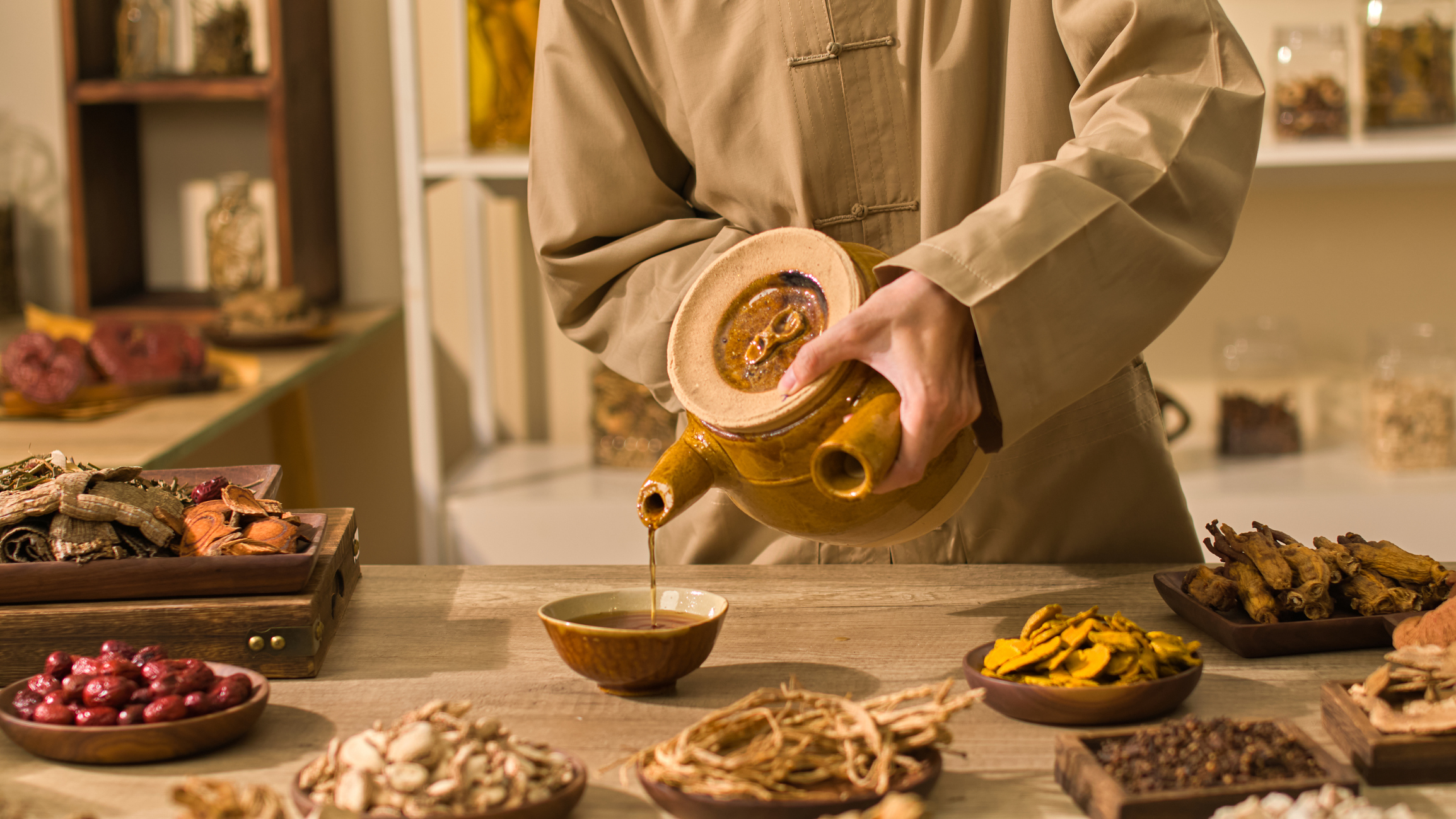
Photo Cred: Mareefe/Pexels
By Melissa Carr, BSc, DrTCM
Nutrition guidance using Traditional Chinese Medicine (TCM) principles is sometimes termed “food cures,” and the therapeutic use of food is deeply interwoven into this medicine’s practice. While there are specific foods and recipes indicated for various symptoms, the main goal is to make dietary recommendations based on the individual’s constitution, current health issues, and lifestyle factors. We also make adjustments based on the season and local environment.
A TCM diagnosis of an individual is needed to offer a more comprehensive and complete dietary plan. However, it is possible to look at some popular dietary recommendations and trends through a TCM lens.
To Cook or Not to Cook
In general, TCM practitioners recommend a focus on cooked foods. The TCM Stomach is likened to a cooking pot, and to “cook” or help breakdown the food, there must be some digestive fire. Too many raw and cold foods are said to put out Stomach fire, weakening digestion and resulting in bloating, loose stools, undigested food in the stool, and poor absorption of nutrients.
Too much Cold in the body can also be caused by constitutional weakness, cold weather, overuse of antibiotics, and a depletion of the body’s Yang energy. This can show up as feeling cold, preference for warm drinks and foods, pallor, thin and clear discharges, a pale tongue with a glossy coating, and a slow pulse.
In my practice, patients complaining of gastrointestinal issues often tell me that they want to eat more salads because they think that will be healthier but find they don’t digest them well. Instead, they do better with soups, stews, slow cooked, steamed, roasted, and otherwise cooked foods.
On the other hand, someone who has a lot of Heat signs may improve with the inclusion of some raw and cold foods. Symptoms of Heat include feeling hot, fever, sweating, preference for cold drinks and foods, redness, irritability, thick or yellow discharges, a yellow coating on the tongue, and a rapid pulse. Raw foods are also better advised in hotter climates and seasons.
Vegan or Paleo
While it is possible to be vegan and Paleo, and the foundation of both diets is an abundance of vegetables, most vegan diets include a wide selection of grains and legumes, while most Paleo diets recommend grass-fed animals or wild game and fish. Practitioners of TCM today sometimes direct their nutritional recommendations toward one or the other diet, but the foundation of TCM nutrition does not exclude any category of food. Instead, the focus of TCM food cures is on the specific type of grain or animal protein based on the individual’s constitution and condition.
Animal proteins were considered important for those with signs of Blood Deficiency, such as pallor, fatigue, weakness, and history of blood loss, that we might now diagnose as anemia. It’s now possible to supplement with iron, vitamin B12, or other nutrients whose deficiency might be contributing. But traditionally, soups and stews were made to include beef, chicken, or pork, often along with herbs like dang gui (angelica root) to nourish the Blood.
Because of the agricultural abundance of rice, it was and remains a staple food of Chinese and other Asian cuisines. The fact that it is gluten-free allows it to remain a good option for many, but our increasing tendency to eat larger serving sizes is problematic. Since we have access to a wide range of grains, I generally recommend a variety of grain options and portion management.
In general, someone with a lot of Heat signs might be best to eat less animal-source proteins, as meats tend to be warmer in nature, while those with an abundance of Cold signs would find the inclusion of some animal protein provides beneficial warmth.
When I make recommendations, I start with a patient’s dietary preferences so I can avoid conflicting with their personal values around food. Fortunately, there is such an abundance of food options that accommodation can be made, whether they do or don’t eat grains, legumes, or meats.
If someone has Heat signs like those noted above, cooling grains, legumes, and animal proteins include millet, amaranth, barley, buckwheat, mung beans, lima beans, tofu, chicken egg whites, dairy, clams, octopus, and crab. Those with Cold signs might be recommended warming foods like oats, quinoa, sweet rice, black beans, anchovy, beef, chicken, lamb, mussel, trout, turkey, and venison. Foods that sit on the fence for temperature are rice, rye, broad beans, adzuki beans, kidney beans, lentils, peanuts, soybeans, chicken eggs, oyster, and pork.
Timing of Eating
The growing popularity of intermittent fasting has benefitted many, while many others struggle and give up. Are those that quit simply not giving it enough time and do they have weak willpower or is this just not a right fit for them?
One way to answer this question is to ask whether this person has more signs of excess or deficiency. Generally, deficiency may be marked by thinness, paleness, fatigue, pain improved by pressure, and a weak or deep pulse. It occurs in those with longstanding and chronic illnesses, those with constitutional weaknesses, and those who have become depleted from too much exertion. Excess might show as irritability, sensation of fullness in the chest or abdomen, hyperexcitability, loud voice, pain worsened by pressure, and a bounding, strong pulse. It most often shows up as acute or sudden symptoms, conditions with strong symptoms, and in those with a strong physique. Most patients will show a mix of excess and deficiency.
I have had many patients tell me about their love of intermittent fasting. I have found they are often the ones who also choose hot yoga, infrared saunas, and frequent cleanses to make themselves feel better. They tend to have Excess constitutions that benefit from sweating it out, clearing out, and rest time for the digestive system. For my patients who have a hard time gaining weight, who are often fatigued, who cannot eat much at one sitting, and who have a history of eating disorders or obsessions around “right” eating, frequent small meals are a better option.
Case Study
Kate is a 39-year-old woman who has followed a raw vegan diet for the past 12 years. She is very knowledgeable about food and eats a diligently clean diet, buying only organic foods and preparing everything at home. She supplements vitamin B12, knowing she would otherwise be deficient. Despite this, she said she feels her health has been declining over the last few years. Her main complaints are fatigue, bloating, and frequent bowel movements with very loose stools. She also notes that she always feels cold, has poor circulation, and feels foggy headed. She has had several blood and stool tests, all showing normal.
I diagnosed her with Spleen Yang Deficiency Cold. She had a limited budget for acupuncture and herbs, so I recommended we focus on nutritional changes. Keeping in line with her vegan lifestyle, I focused on reducing her raw foods and including some warming foods and herbs like those listed above. I asked Kate to start her day with a warm, cooked breakfast of grains, legumes, and vegetables. I also had her include warming foods and herbs like ginger, cardamom, cumin, thyme, oregano, onion, pumpkin, squash, fennel, and leek. After a month, she started to feel better and six months later, her symptoms were mostly gone.
By making dietary recommendations that address our patients as individuals, we can make significant improvements to their health, while also accommodating some of their dietary preferences and values.
About the Author: CJ Weber

Also on Integrative Practitioner

Dental Danger: Signs of Sleep Breathing Disorders in children and Adults, Learn the Visual Clues
Non-Member Price: $30.00 Member Price: $18.00 – 40% Off for Members Only Add to Cart Presented by: Mark Breiner, DDS,...

Integrative and Comprehensive Approach to Inflammatory Bowel Disease
Non-Member Price: $30.00 Member Price: $18.00 – 40% Off for Members Only Add to Cart Presented by: Ronald Hoffman, MD,...

Measuring Biology vs. Symptomatology: The Fully Integrated Functional Wellness Program
Non-Member Price: $30.00 Member Price: $18.00 – 40% Off for Members Only Add to Cart Presented by: Dane Donohue, DC...

Change Your Genes, Change Your Life
Non-Member Price: $30.00 Member Price: $18.00 – 40% Off for Members Only Add to Cart Presented by: Kenneth Pelletier, PhD,...

Guided Imagery – Efficacious, Portable, Scalable, User-Friendly, Self-Administered
Non-Member Price: $30.00 Member Price: $18.00 – 40% Off for Members Only Add to Cart Presented by: Belleruth Naparstek, ACSW...