


Grief and sadness from a Traditional Chinese Medicine perspective
Photo Cred: Paola Chaaya/Unsplash
By Melissa Carr, BSc, DrTCM
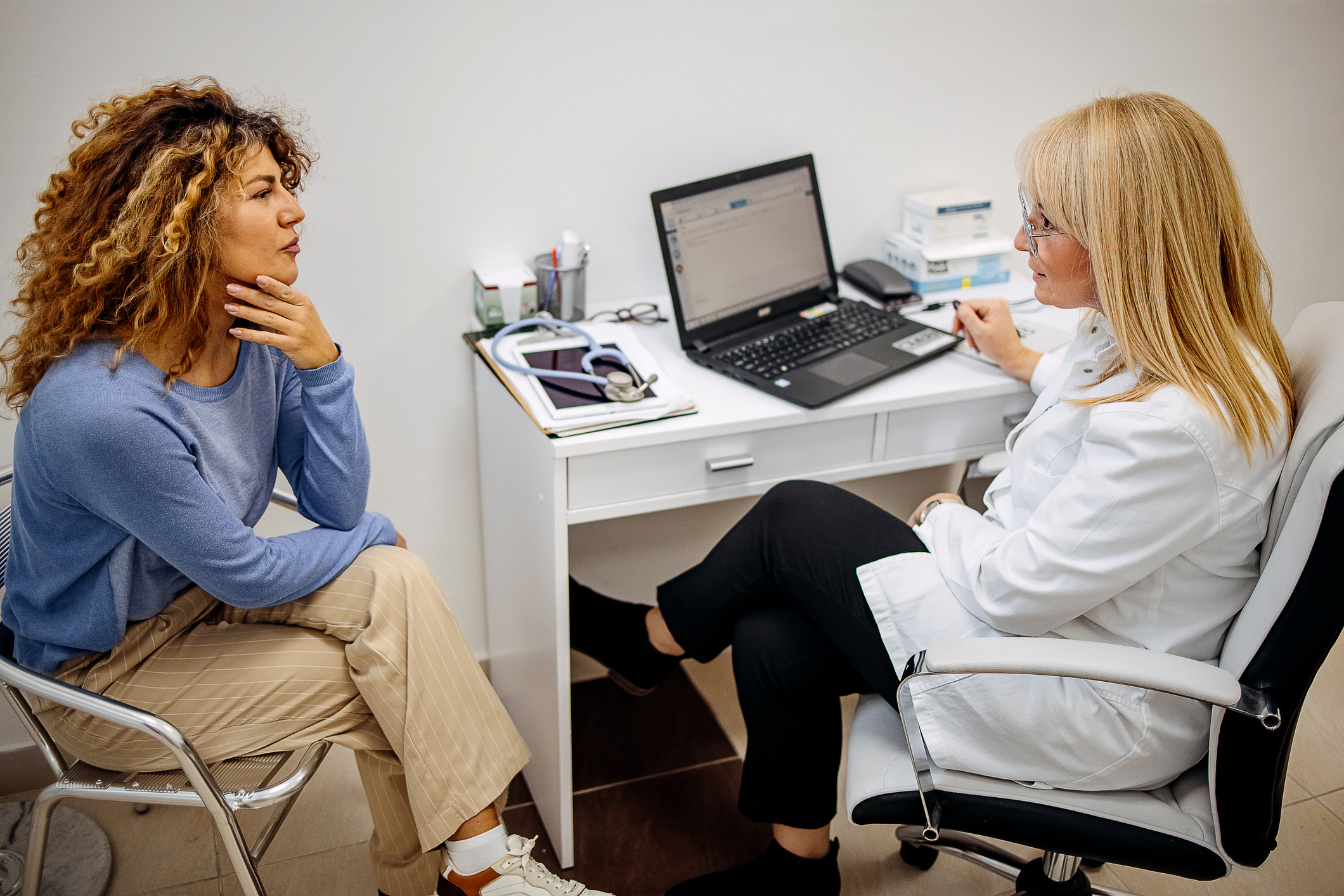
As I put an acupuncture needle into a point on her arm, she began to cry. Not because it hurt—it didn’t, she assured me—but because she had been bottling up emotion for months, perhaps years.
Grief and sadness build up as people try to move on, be brave, and show stoicism. Sometimes sufferers are prescribed antidepressants as they feel their deep sorrows over life’s heartbreaks and challenges. But the feelings don’t dissolve and disappear. They may become less acute over time, but unaddressed, unexpressed, they can burrow into one’s heart and soul. Indeed, the emotions can affect all aspects of one’s physical health as well.
Traditional Chinese Medicine (TCM) identifies certain organ systems as having closer connections with specific emotions. Sadness and grief are most keenly tied to the TCM Lungs and Large Intestines. The physical large intestines are primarily organs of elimination, providing the pathway for the removal of digestive waste. The lungs, too, could be partially considered organs of elimination as they are needed to release carbon dioxide via exhalation. So, I often tell my patients to consider “letting go” as a key theme when working on the health of the TCM Lungs and Large Intestines.
This practice of letting go could be allowing for a processing and release of old emotions or thoughts, especially those related to loss. It could also be a clearing out of personal belongings, goodbyes to unhealthy relationships, or the dismissal of unhelpful habits.
For some, one way to practice letting go is a good cry which, while it can result in a feeling of exhaustion, also gives a feeling of release and relief. Simply focusing on deep breathing with an emphasis on the exhale can bring about some of that sensation of liberation from tension and the past. A cognitive approach could be to assess various categories of one’s life, prioritizing, and removing elements that are no longer serving one’s current needs and goals.
Areas that can benefit physically include skin conditions, susceptibility to infection, allergies, autoimmune disorders, asthma and other lung issues, diarrhea, constipation, and other problems with digestive waste elimination.
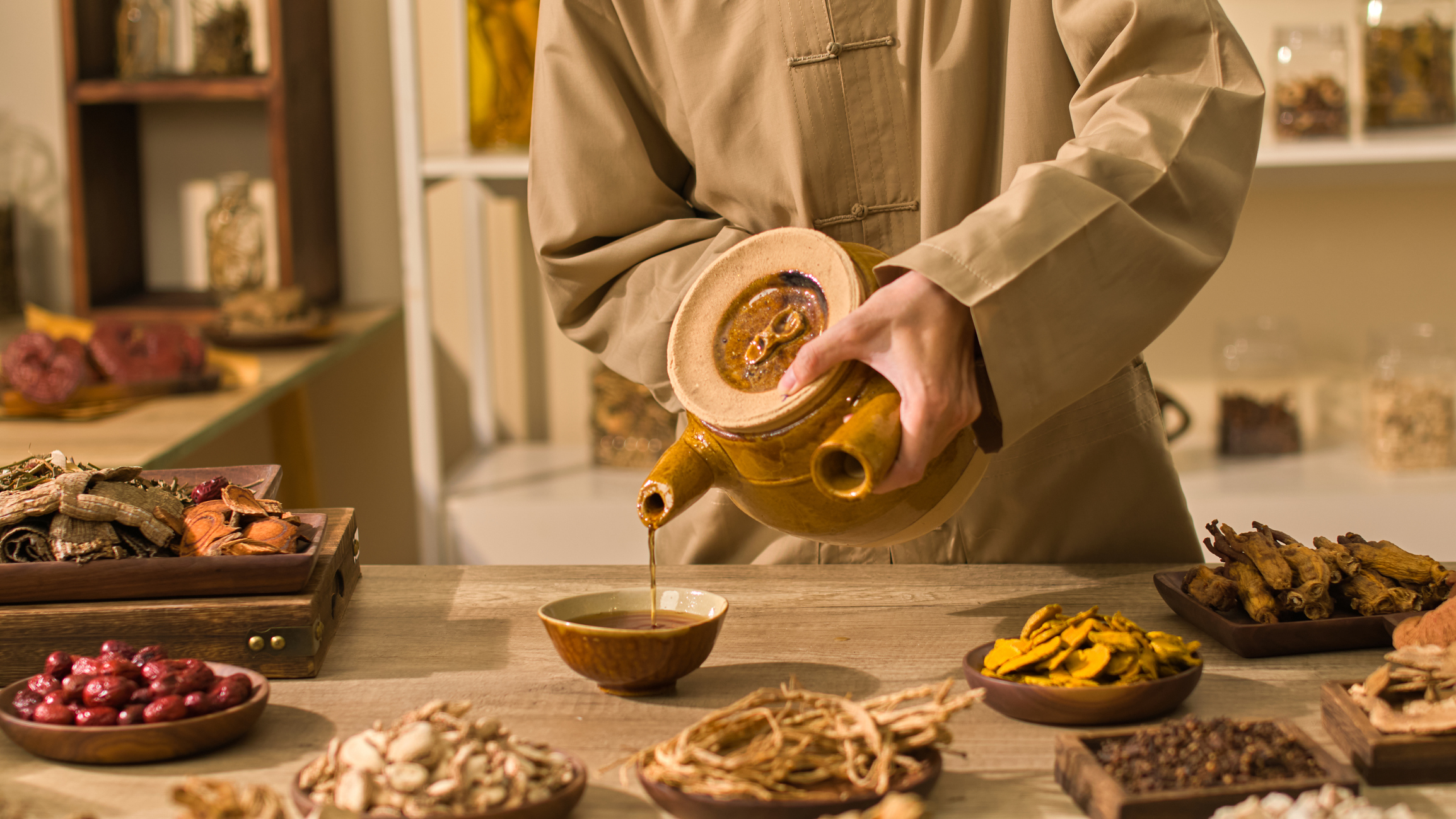
Lung channel acupuncture points can help support both the emotion of sadness as well as the physical symptoms of the lungs. Other points that may be useful include CV17 and Yintang. While Chinese herbs must be selected based on the patient’s condition and constitution, ling zhi (reishi mushroom) is one herb that can support both the emotional and physical lungs. This herb is classified in the materia medica in the category to “Calm the Spirit,” and it is also used to support a healthy immune system while treating cough and wheezing.
While the Lungs and Large Intestines are the main TCM organs connected to the emotions of grief and sadness, other organs are also impacted.
Many know the feeling of loss can feel like a wound to the heart, and heartbreak may never fully fade away. Since all emotions are stored in the Heart, according to TCM, intense or lasting emotions, such as post-traumatic stress disorder (PTSD), can impact the physical heart, leaving one vulnerable to an increased risk of heart disease and stroke. In fact, studies have shown that emotional distress is one of the most common causes of myocardial infarction and sudden cardiac death.
In addition to a “letting go” practice, practitioners can more specifically support the heart with acupuncture points like HT7 (Shen men translates as “spirit gate”), PC6, and PC8.
Another area commonly impacted by deep sadness is the digestive system. In TCM, this largely relates to the Spleen and Stomach. Some people lose their appetite while others eat their way through grief. There is a growing recognition of the negative impact on digestion when the sympathetic nervous system is overly active. Some acupuncture points that can be used here include ST36, ST25, SP4, SP6, SP15, and CV6.
Case Study
Karen, age 62, came in asking for assistance with weight loss. Though she generally ate healthy and was regularly active, sometimes she would just drop all her good habits, trading in her exercise for time on the couch and giving in to food cravings. Of course, few of us can be (or should be) “on it” 100 percent of the time, but she felt that her “inner rebel” was taking over and negatively affecting her life.
She explained that she had a very tough year. Two of her friends had been diagnosed with cancer, one of them passing away and the other one losing a daughter. She felt deep loss for her friends and their families and was making herself available for support, but there was something more. She felt guilty, maybe undeserving, of her own health and loving family.
It was for that reason, perhaps, that she would self-sabotage her own goals. We discussed the practice of letting go, and she connected with the idea that she was holding on to weight like she was holding on to her guilt. How would she better be able to achieve her own goals, support her family and friends, and feel more at peace with herself if she let go of the feelings of guilt, expressed her own sorrows over loss, and identified more fully with feelings of gratitude instead?
Because her other symptoms of bloating, tendency toward soft stools, cravings for sweets, fatigue, and problems with focus and concentration pointed toward Spleen Qi deficiency, I asked her if there were other emotions that were coming up for her. She admitted that after seeing what her friends were going through, she was worried that her own family’s luck would change too.
While the discussion about her emotions hit the mark to start the process for change, I used acupuncture of the Lung, Large Intestine, Spleen, and Stomach points to support that shift, calm her mind, and improve her digestion. Even without the talk, I do think the acupuncture would have helped, but whenever possible, I like to have my patients actively involved and on board mentally and emotionally with the steps they can take to improve their outcomes.
References
Coughlin, SS (2011). Post-traumatic Stress Disorder and Cardiovascular Disease. Open Cardiovascular Med Journal. Retrieved from: https://www.ncbi.nlm.nih.gov/pubmed/21792377
O’Keefe, J.H. (2004). Psychosocial stress and cardiovascular disease: How to heal a broken heart. Comprehensive Therapy. Retrieved from: https://link.springer.com/article/10.1007/s12019-004-0022-2
About the Author: CJ Weber

Also on Integrative Practitioner

Dental Danger: Signs of Sleep Breathing Disorders in children and Adults, Learn the Visual Clues
Non-Member Price: $30.00 Member Price: $18.00 – 40% Off for Members Only Add to Cart Presented by: Mark Breiner, DDS,...

Integrative and Comprehensive Approach to Inflammatory Bowel Disease
Non-Member Price: $30.00 Member Price: $18.00 – 40% Off for Members Only Add to Cart Presented by: Ronald Hoffman, MD,...
Measuring Biology vs. Symptomatology: The Fully Integrated Functional Wellness Program
Non-Member Price: $30.00 Member Price: $18.00 – 40% Off for Members Only Add to Cart Presented by: Dane Donohue, DC...

Change Your Genes, Change Your Life
Non-Member Price: $30.00 Member Price: $18.00 – 40% Off for Members Only Add to Cart Presented by: Kenneth Pelletier, PhD,...

Guided Imagery – Efficacious, Portable, Scalable, User-Friendly, Self-Administered
Non-Member Price: $30.00 Member Price: $18.00 – 40% Off for Members Only Add to Cart Presented by: Belleruth Naparstek, ACSW...