








Bi syndrome treatment with Traditional Chinese Medicine
Photo Cred: kian2018/Pixabay
By Melissa Carr, BSc, DrTCM
There are probably few out there who have not experienced Bi syndrome at some point in their lives. The word “Bi” in Chinese means “obstruction,” and it is used to signify a blockage of the circulation of Qi and/or blood in the body that causes pain, numbness, tingling, swelling, feeling of heaviness, or limited range of movement.
Because one of the most common symptoms is joint pain, it is often translated as arthralgia, though Bi syndrome may be part of the Traditional Chinese Medicine (TCM) diagnosis for a wide range of diseases and syndromes, including acute injury, fibrositis, fibromyalgia, gout, osteoarthritis , rheumatoid arthritis, lupus, and neuralgia.
One of the distinguishing characteristics of TCM is that some of its diagnostic terms are borrowed from elements of nature. Wind, cold, hot, and damp are external environmental factors that TCM recognizes can affect our bodies.
Pain and symptoms that come and go or move from place to place is associated with wind, as it is deemed a carrier to bring pathogenic factors into the body. People whose bodies are weakened or who already have wind affecting them may also have an aversion to wind. TCM practitioners recommend protecting the body from wind by avoiding drafty areas and using scarves and other clothing to block the wind. Fang feng, gui zhi, and ge gen are herbs that might be included in a formula to release the wind pathogen from the body.
Bi patterns associated with cold will show up as symptoms improved with heat and worsened with cold, tissue feeling cold, stiffness and contraction, or cramping and spasms. Those suffering from arthritis often have cold as one of the factors aggravating their symptoms. Patients can be advised to use heat packs, warming herbal applications, or infrared heat. They should also choose temperature warm foods like soup, stews, and slow cooked meals and warm-natured foods like ginger, cinnamon, cloves, cardamom, pepper, pumpkin, squash, leek, and mustard greens. Herbs that might be considered in combination with others to address the full pattern include fu zi, rou gui, and du zhong.
Heat, conversely, can make the tissue feel warm or hot to the touch and shows up as redness and swelling relieved by application of cold or remedies that are cold or cool in nature. While most common in acute injuries, it is an often diagnosed as part of the TCM pattern for cases of gout. Icing is not often recommended by TCM practitioners, as cold contracts, causing further constriction and obstruction of the circulation of Qi and blood. Instead, cooling herbs might be used, like sheng ma, chi shao, and hong teng.
Damp Bi syndrome patterns manifest as swelling, stiffness, and a feeling of heaviness. At these times, herbs like du huo, qin jiao, and sang zhi may be helpful, while patients are also recommended to avoid greasy, fried foods and dairy.
In most cases of Bi syndrome, there is a combination of wind with 1 or 2 other pathogenic factors: Wind-Cold Bi, Wind-Cold-Damp Bi, Wind-Heat Bi, and Wind-Damp Bi. In the Pacific Northwest, the type of Bi syndrome I see most often is Wind-Cold-Damp Bi syndrome.
Our bodies are designed to help defend against external pathogens, but when the body is weakened by poor diet, insufficient sleep, illness, congenital issues, and stress or when the pathogen is strong, the body succumbs.
Part of the treatment for those with Qi or blood deficiency is to boost the body by ensuring good nutrition, restorative rest, and treating other underlying illnesses and stressors.
Because Bi syndrome refers to a health problem caused by an obstruction, in addition to removing the blocking factors, it’s important to use treatment that restores and improves the circulation of Qi and blood.
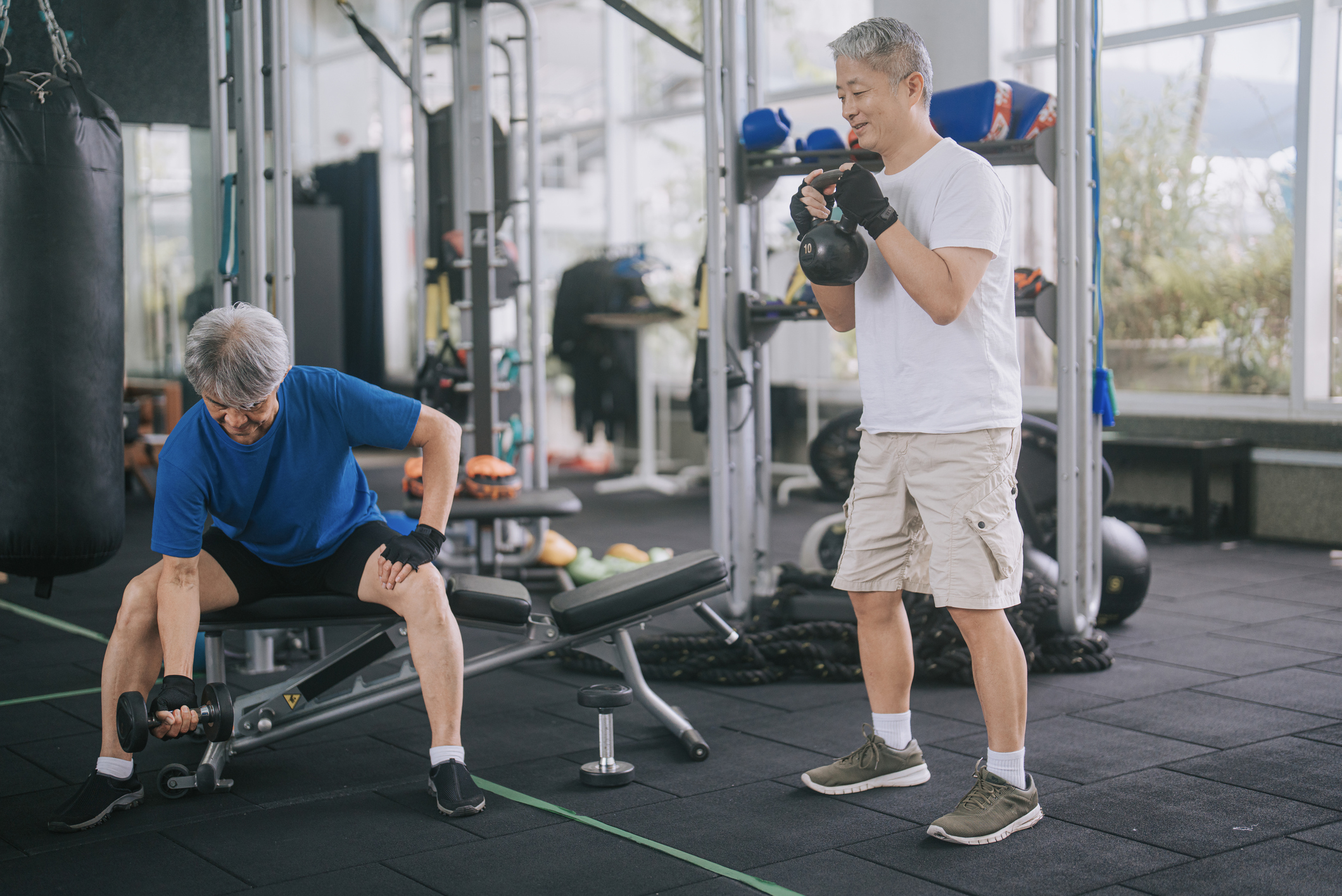
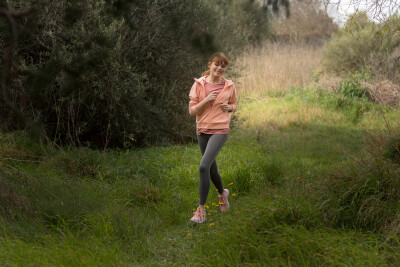
This can be done with prescriptive exercises or regular movement practices, especially for those who feel worst when they first get up in the morning or after extended bouts of inactivity, like sitting at a desk all day.
Herbs that move Qi and blood include chuan lian zi, chuan xiong, dan shen, e zhu, san leng, and yan hu suo. The all-popular turmeric is also listed in the TCM herbal materia medica as both jiang huang and yu jin.
One of the most common reasons that patients seek out acupuncture is for the relief of pain, and this therapy is indeed excellent at that, as well as improving circulation and releasing tension. Moxibustion—the burning of moxa, an herb ai ye (mugwort leaf)—also warms the tissue and improves circulation.
Case Study
Jake, age 54, had been struggling with bilateral knee pain for five years. His knees appeared mildly swollen around the patellae but showed no visible change in color. They were slightly cooler to the touch and he felt they were stiff, heavy, and achy, especially when he stood after sitting for a while. His knees had become particularly sore since the weather turned colder and rainier.
He also noted that he had been working long weekdays at the computer with weekends spent renovating his home, so he was tired because he wasn’t able to get enough hours of rest and sleep. He also had some low back pain and stiffness. He had started taking fish oil and turmeric supplements six months prior to try to improve his joint pain but hadn’t yet noticed any improvement.
I diagnosed him as having wind-cold-damp Bi syndrome with some Kidney Qi deficiency and did acupuncture on him twice a week for two weeks. Points I chose included ST36, neixiyan, he ding, SP9, SP6, SP10, KI3, LI4, LI11, ling ku, da bai, UB23, UB20, UB40, and GB34. I also prescribed the TCM herbal formula Du Huo Ji Sheng Tang, a common formula for this type of Bi syndrome.
After two weeks he was feeling somewhat less stiffness and pain, but needed another four weekly sessions of acupuncture, along with continuation of the herbs to be virtually pain-free and with no more feelings of stiffness. In order to avoid recurrence, I advised him to keep his knees and back warm, avoid drafts, eat warm foods, and carve out more time for sleep, rest, and stress management. I also recommended he break up his workday with more opportunities to get up and move around and to make sure to do some warm-up exercises prior to starting each day of renovation work.
About the Author: CJ Weber

Also on Integrative Practitioner

Dental Danger: Signs of Sleep Breathing Disorders in children and Adults, Learn the Visual Clues
Non-Member Price: $30.00 Member Price: $18.00 – 40% Off for Members Only Add to Cart Presented by: Mark Breiner, DDS,...

Integrative and Comprehensive Approach to Inflammatory Bowel Disease
Non-Member Price: $30.00 Member Price: $18.00 – 40% Off for Members Only Add to Cart Presented by: Ronald Hoffman, MD,...

Measuring Biology vs. Symptomatology: The Fully Integrated Functional Wellness Program
Non-Member Price: $30.00 Member Price: $18.00 – 40% Off for Members Only Add to Cart Presented by: Dane Donohue, DC...

Change Your Genes, Change Your Life
Non-Member Price: $30.00 Member Price: $18.00 – 40% Off for Members Only Add to Cart Presented by: Kenneth Pelletier, PhD,...
Guided Imagery – Efficacious, Portable, Scalable, User-Friendly, Self-Administered
Non-Member Price: $30.00 Member Price: $18.00 – 40% Off for Members Only Add to Cart Presented by: Belleruth Naparstek, ACSW...