









Thyroiditis case study on homeopathic intervention
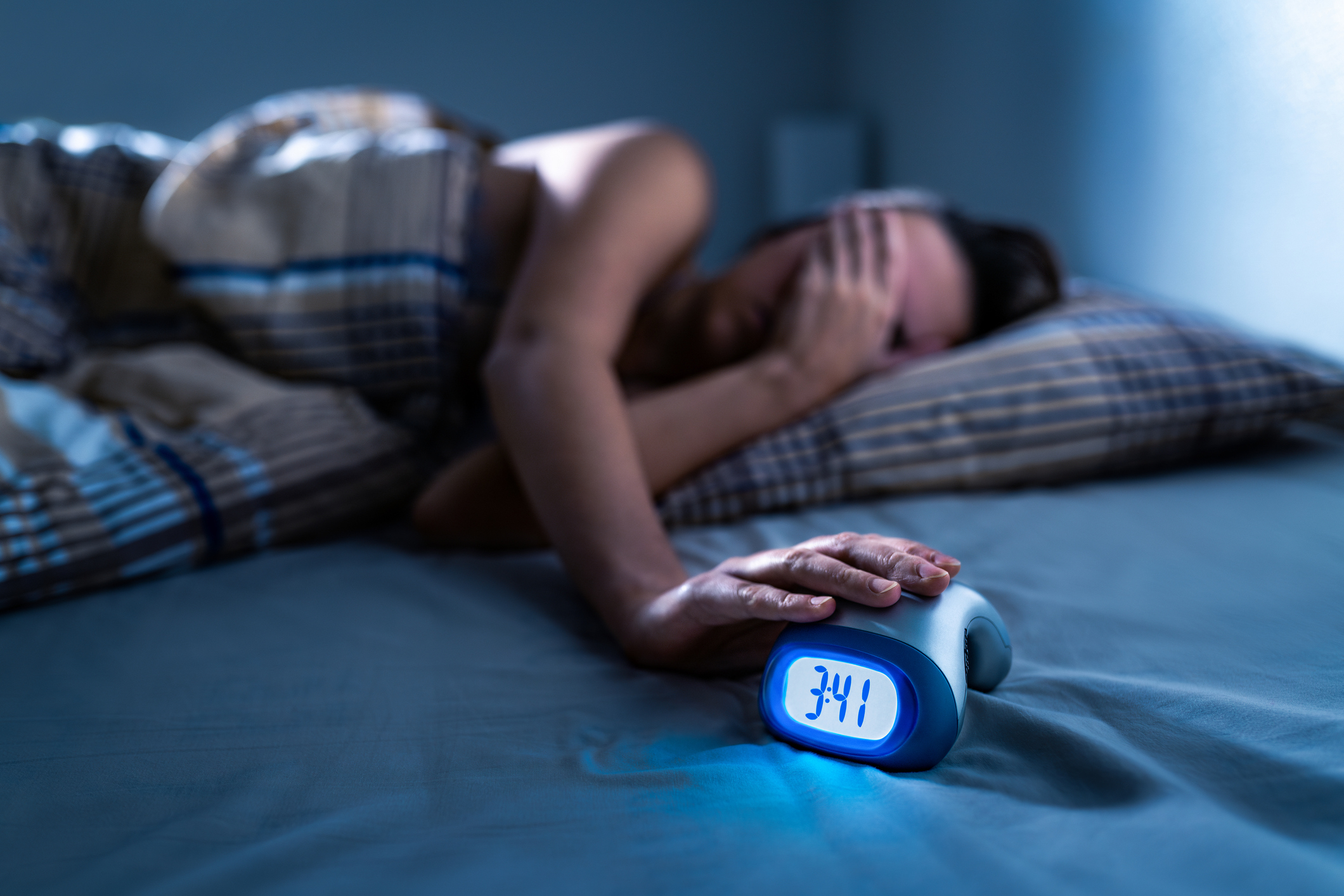
Photo Cred: Freepik
By Nancy Gahles
Harkening back to our school days, we all can recognize the “itis” hallmark of a glandular condition. “Itis” refers to inflammation. Inflammation is now a ubiquitous term that underlies or is a precursor to a pathological process leading to end stage disease.
The blessing in the “itises” is that they are just that, precursors. Inflammation is a sign of a disruption in the system as the body attempts to right itself, to re-establish equilibrium, that is, homeostasis. At this point a patient may present to you with rather vague symptoms, ones that are only discernible by the organ that they refer the discomfort to. These are called subacute conditions as they may not have progressed to the point where cellular destruction is occurring or has occurred. Lab tests, scans, and other reliable diagnostic measures may not show any abnormality. The lack of findings of a pathology generally lead the practitioner to advise a wait and watch plan for signs of progression and perhaps, advice on lifestyle and diet recommendations.
According to the American Thyroid Association (ATA), there are no symptoms unique to thyroiditis. The symptoms of fully developed thyroiditis include fatigue, weight gain, constipation, and dry skin. These, however, are somewhat vague as they can be attributed to other conditions, co-morbidities, or drug interactions and side effects.
The ATA goes on to describe the sequelae of thyroiditis that causes rapid thyroid cell damage and destruction causing the thyroid hormone that is stored in the gland to leak out, increasing the thyroid hormone levels in the blood. In this case, patients will experience symptoms of an overactive or hyperthyroid. These symptoms include anxiety, insomnia, palpitations, fatigue, weight loss, and irritability. Once again, these symptoms can be attributable to other diseases or none that are verifiable if not coupled with positive diagnostic findings.
A popular concept among conventional or allopathic doctors is that the thyroid “condition” subacutely causes the immune system to attack the thyroid gland, leading to inflammation as a secondary effect and thus interfering with its ability to properly produce thyroid hormones.
In my practice, where I have a specialized focus on the stress that underlies disease, I always ask questions that will identify trauma, present or past, physical, emotional, psychological, and spiritual, current stresses in the workplace, lifestyle, and relationships. When appropriate, I administer stress evaluations such as the Mastrich Inventory for Burnout, stress inventories, and Liechert pain scales.
There is a direct link between oxidative stress and emotional stress, and it is well accepted that oxidative damage in the brain may cause impairment of the nervous system. Oxidative stress is an imbalance of free radicals and antioxidants in the body. The inflammation triggered by oxidative stress can lead to cell and tissue damage.
Case Study
A 40-year-old female patient came to me for consultation about a thyroid issue. She was well-developed, athletic, in good physical health. She is a massage therapist and active in her children’s school, church, and local charitable organizations. She and her family have been patients of mine for 10 years.
She presented to me with these symptoms:
- Wrenching stomach pains
- Pounding headache
- Weakness, body, and joint aching
- Yellow diarrhea for five days
- External throat felt swollen; she felt a lump in her throat
- Sore throat with a drip, pain extending to the ears
- Sternum bones sore upon flexing in on her chest
- Anxiety worse at night with insomnia
She reported that she had been to her chiropractor who told her that it was a secondary thyroid issue with dysregulation at the T7 spinal level.
Medical evaluation included a sonogram of the thyroid, which revealed a tiny cyst. Blood work was normal. Her physician advised that there was nothing to do at this point. She was told that it would likely progress to hypothyroidism and to wait and see.
The study of pathogenesis is the main source of our comprehensive Materia Medica. Homeopathic medicine considers the totality of symptoms that a patient is suffering with on all levels, that is physical, emotional, mental, and spiritual.
In this case, I was aware of the underlying trauma that is the causation of her suffering. Her husband has been incarcerated. He is and will be separated from the family for two years. She is effectively a single mother of two young children and the sole provider for the family.
She described her emotional distress as struggling to survive in a bad situation. She and the family feel terrible separation from her husband. They all keep their deep feelings suppressed because they don’t want to upset each other. They need to maintain a sense of happiness, so they don’t upset him.
The scope of this article is an overview of homeopathic intervention and is not meant to capture the entirety of a comprehensive homeopathic analysis.
In summary, I prescribed on the physical symptoms mentioned above as well as these emotional ones;
- Ailments from suppressed grief
- Separation from loved ones
- Emotional distress
- Fear bad news
- Anxiety as if committed a crime
- Weeps telling of a story
The remedy that a homeopath prescribes is specific to the individual suffering and not the diagnosis they present with.
In this case, I prescribed the homeopathic remedy Pulsatilla. After six weeks, she did have a repeated dose as some anxiety returned. However, to date, her symptoms have resolved. All healing is a journey and when the causation remains a present stimulus, healing is on a continuum.
Editor’s note: Photo courtesy of Freepik.
About the Author: CJ Weber

Also on Integrative Practitioner

Dental Danger: Signs of Sleep Breathing Disorders in children and Adults, Learn the Visual Clues
Non-Member Price: $30.00 Member Price: $18.00 – 40% Off for Members Only Add to Cart Presented by: Mark Breiner, DDS,...

Integrative and Comprehensive Approach to Inflammatory Bowel Disease
Non-Member Price: $30.00 Member Price: $18.00 – 40% Off for Members Only Add to Cart Presented by: Ronald Hoffman, MD,...

Measuring Biology vs. Symptomatology: The Fully Integrated Functional Wellness Program
Non-Member Price: $30.00 Member Price: $18.00 – 40% Off for Members Only Add to Cart Presented by: Dane Donohue, DC...

Change Your Genes, Change Your Life
Non-Member Price: $30.00 Member Price: $18.00 – 40% Off for Members Only Add to Cart Presented by: Kenneth Pelletier, PhD,...

Guided Imagery – Efficacious, Portable, Scalable, User-Friendly, Self-Administered
Non-Member Price: $30.00 Member Price: $18.00 – 40% Off for Members Only Add to Cart Presented by: Belleruth Naparstek, ACSW...