








Optimizing health for patients and practitioners
By Bill Reddy, LAc, DiplAc
Modern medicine often misses the point. Instead of promoting wellbeing in all patients, the focus is getting a sick patient to normal or baseline. However, we as integrative practitioners understand the value of wellness-based, preventative care.
There are several accessible lifestyle changes that will reap big dividends in greater sense of health, wellbeing, vitality, and resilience. For this Self-Care Awareness Month, I’m sharing a few of my favorite tips that can be utilized by patients and practitioners alike.
Hydration
We typically ask our patients about how much water they put in their bodies, but do we practice what we preach? Drinking 12 to 16 ounces of water upon waking is a good habit to rehydrate after an eight-hour fast. Adding lemon or a pinch of sea salt is helpful for absorption, maintaining a healthy blood pressure, and supporting liver function. Proper hydration promotes detoxification, provides lubrication for our joints, and regulates body temperature. Signs of dehydration include a mild headache, lack of mental focus, and fatigue. Sip a bit of water throughout the day in between patients.
Digestion
Practice management specialists emphasize eating lunch at a table—and, no, your desk is not a table. Multitasking during meals takes its toll on proper digestion. Our brains suck up 20 percent of our daily calories, and more when working at a computer, diverting blood and glucose from digestive activities. If there’s any undigested food in your stool, or you’re gassy after meals, then you’re not digesting your food completely. Incorporating digestive enzymes in your daily routine will assist in complete digestion.
Elimination
Having consistent bowel movements is one of the foundations of good health and is strongly emphasized by naturopathic physicians. When constipated, toxins leak out of the large intestine and into the bloodstream, causing a general sense of malaise. Adding fiber to the diet, through supplements or preferably with fruits and vegetables, will go a long way toward eliminating waste products and minimizing risk of colon cancer. Remember that sugar is the enemy of good bowel health.
Sleep
Sleep is the glue that holds us together. Practitioners today are busy professionals with mile-long to-do lists. However, if we don’t put ourselves first, we cannot benefit our patients. Technology is a double-edged sword, as blue frequency light from any device can inhibit melatonin production. If you must check email or use your phone later in the evening, download a blue filter app to protect yourself. A small percentage of the population is very sensitive to electromagnetic frequencies, so turning off your wi-fi at bedtime may be beneficial. Also, depending on your liver efficiency, two cups of coffee in the morning can have a negative effect on your sleep quality 16 hours later. Try half decaf, half regular coffee to reduce that feeling of restlessness. If you fall asleep easily but can’t stay asleep, eat a small handful of raw nuts or other protein before bed, as you may be hypoglycemic in the middle of the night.
Community
Being with your “tribe” has incredible benefits to physical and mental health. Any social group, whether it be a local church, club, or volunteer organization, improves subjective wellbeing, life satisfaction, and longevity.
Hobbies
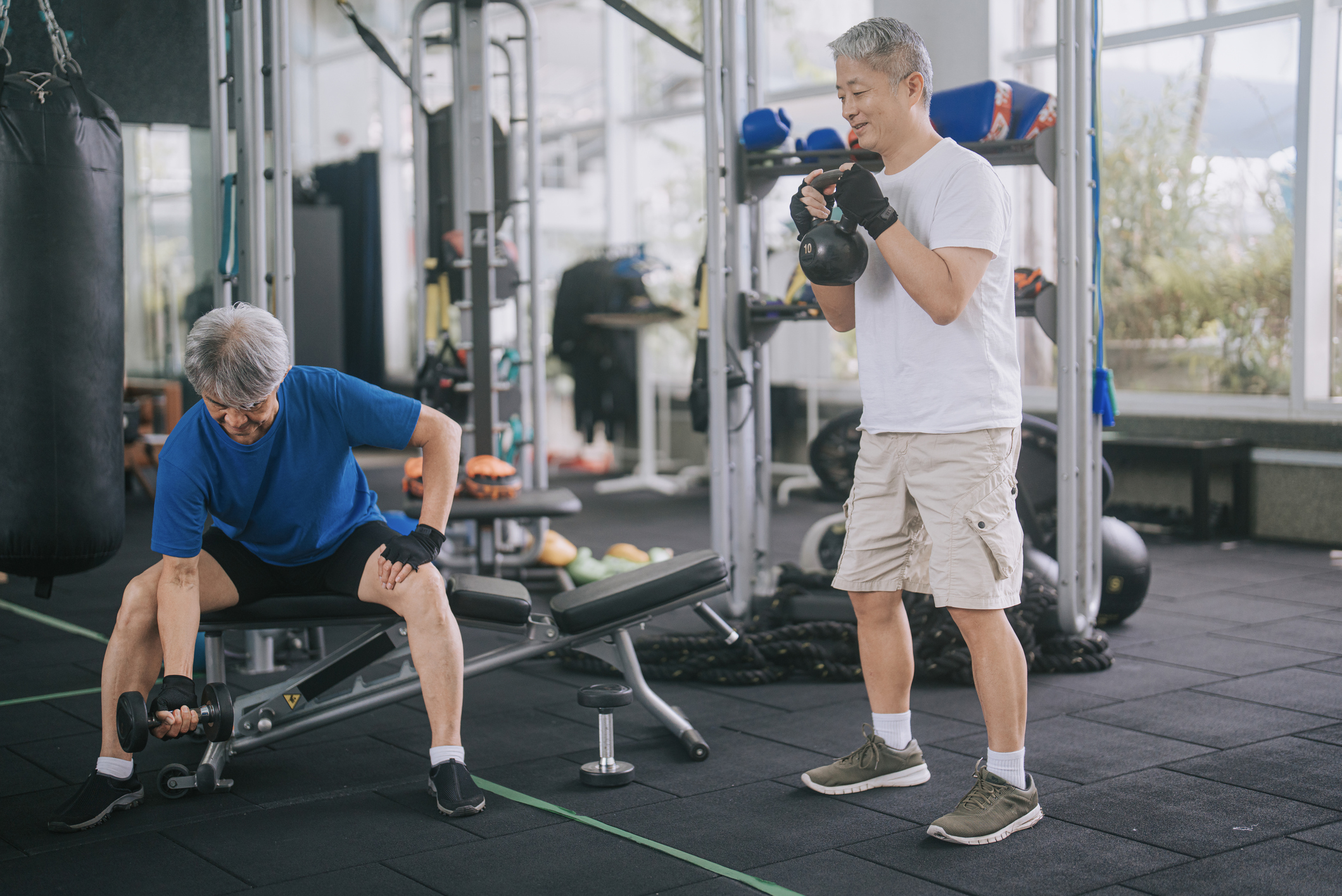
I personally love reading, hiking, biking, woodworking, and martial arts, and carve out several hours a week to do these things. Taking part in activities that bring you joy can “recharge your batteries.” As adults, we forget how to play. Any activity that involves stretching fascial planes is a bonus.
Yoga/Tai Chi/Qigong/Meditation
Not all of these activities will resonate with you. The key is finding the one that you enjoy and can practice regularly. In Taoist philosophy, these practices are referred to as “self-cultivation.” Tai Chi has been found to reduce falls in the senior population and improve heart rate variability, meditation changes grey matter in the brain, qigong increases superoxide dismutase, the anti-aging enzyme, and yoga stretches fascial planes and cortisol levels. All have myriad health benefits. If meditation is not a good fit, try following your breath while you walk outside.
Ancient Chinese texts suggest you must consistently perform a task 100 days in a row before it becomes a habit. Hopefully you can incorporate one or more of the suggestions above into your self-care regimen to improve your health and wellbeing.
Editor’s note: This article is part of a series celebrating Self-Care Awareness Month. Click here to view the complete collection.
About the Author: CJ Weber

Also on Integrative Practitioner

Dental Danger: Signs of Sleep Breathing Disorders in children and Adults, Learn the Visual Clues
Non-Member Price: $30.00 Member Price: $18.00 – 40% Off for Members Only Add to Cart Presented by: Mark Breiner, DDS,...

Integrative and Comprehensive Approach to Inflammatory Bowel Disease
Non-Member Price: $30.00 Member Price: $18.00 – 40% Off for Members Only Add to Cart Presented by: Ronald Hoffman, MD,...

Measuring Biology vs. Symptomatology: The Fully Integrated Functional Wellness Program
Non-Member Price: $30.00 Member Price: $18.00 – 40% Off for Members Only Add to Cart Presented by: Dane Donohue, DC...

Change Your Genes, Change Your Life
Non-Member Price: $30.00 Member Price: $18.00 – 40% Off for Members Only Add to Cart Presented by: Kenneth Pelletier, PhD,...
Guided Imagery – Efficacious, Portable, Scalable, User-Friendly, Self-Administered
Non-Member Price: $30.00 Member Price: $18.00 – 40% Off for Members Only Add to Cart Presented by: Belleruth Naparstek, ACSW...