









Addressing chronic conditions with mobile technologies
Photo Cred: Shutterstock
By John McCormack
Mobile health technologies can help treat and manage an array of chronic conditions. While all healthcare providers can leverage mobile health (mHealth) technologies—smartphones, personal digital assistants, wearable devices, voice assistants, wellness apps, and other tools used to collect and deliver diagnostic and lifestyle information— there’s even more opportunity for integrative providers, as their patients are often looking for non-pharmaceutical treatments, according to Steven Feyrer-Melk, PhD, MEd, co-founder and director of lifestyle medicine at the Optimal Heart Center & Body Lab in Scottsdale, Arizona.
Feyrer-Melk said he finds mHealth tools are valuable in his practice when working with a range of chronic diseases. Following a full assessment, he said he often recommends wearables or other devices to learn more about the patient’s lifestyle outside the office.
“One of my main areas of focus is helping patients make behavior changes,” he said. “The technology… can have strong significant impacts on helping people make these changes.”
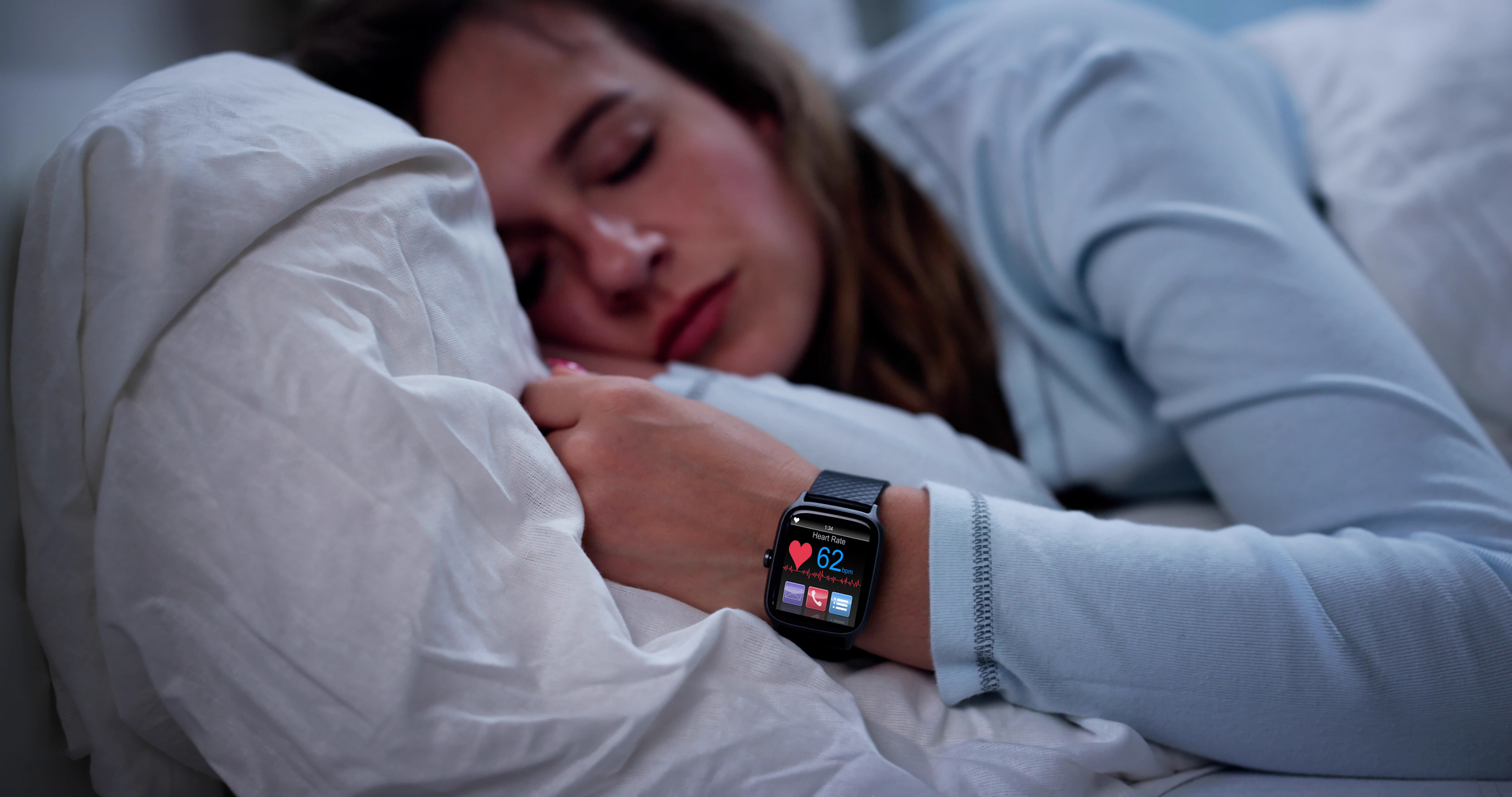
Feyrer-Melk said he often works with cardiac patients who use a variety of devices that track their heart rate throughout the day. While these tools help patients manage their condition, Feyrer-Melk said it can serve as motivation and education, offering real-time feedback that can help decrease risk for heart attack. The information gleaned from this technology can then be shared with a cardiologist, who can help customize a preventative care plan.
With access to specific data from each patient, integrative professionals can provide more relevant advice and set realistic goals that can be measured ongoing. For example, instead of telling a heart patient to walk 10,000 steps a day, an integrative provider might tell a patient who is currently not walking at all to try and walk 2,500 steps a day by the end of the next month. Similarly, they may counsel a patient who is currently walking 8,000 steps a day to increase to 10,000 steps per day by the next visit.
In addition to heart disease, mHealth devices can address a variety of chronic conditions such as asthma, diabetes, and obesity, according to Rashmi Mullur, MD, education director of the Integrative Medicine Collaborative at the University of California, Los Angeles. For example, diabetes patients can use wearable glucose monitors to assess sugar levels, asthma patients can use smartphones to monitor air quality, and obesity patients can use fitness trackers to monitor calories burned.
A substantial body of evidence supports the use of these technologies for many of these applications, Mullur said. For example, a review of the efficacy, usability, and features of commercially available smartphone apps for diabetes self-management published in e Journal of General Internal Medicine showed that many apps resulted in a clinically meaningful reduction in hemoglobin A1C levels when compared to usual care. Such results have prompted healthcare professional to embrace these tools. The percentage of physicians who feel digital health tools are an advantage for patient care grew from 85 percent in 2016 to 93 percent in 2022, according to a study published by the American Medical Association.
Another recent study published in the Journal of Medical Internet Research showed that the implementation of a patient-centered integrated care model supported by mobile and digital tools, empowered the patient, and connecting primary, hospital, and social care professionals to reduce unplanned contacts with the health system and to cut health costs.
While Feyrer-Melk said he has not scientifically quantified the benefits associated with mHealth devices used at his practice, the anecdotal evidence is readily apparent. “I could say with confidence that people who wear devices and share the data with care providers are more likely to adhere to treatment plans and therefore have better outcomes,” Feyrer-Melk said.
While mHealth tools have obvious clinical value, integrative professionals also should consider potential financial benefits. Integrative practices can increase revenue by selling the devices as well as coaching programs, Feyrer-Melk said.
Best Practices for Success
Educate patients. Integrative healthcare professionals need to show patients and clients how to use digital devices, and then work with them to make sure they understand the data emanating from these tools.
“Having the data without looking at how to make changes does nothing,” Mullur said. “Integrative professionals need to provide actionable advice, information and education on how to change behavior … to achieve optimal health.”
For example, an integrative provider might work with a patient to ensure they take three deep breaths every time a wearable device indicates stress levels are reaching a pre-set threshold. “Just wearing a device without coaching and education and review of the data doesn’t help anybody,” Mullur noted.
Ensure access to tools. Some patients could benefit from a continuous glucose monitor even if they are not diabetic. As such, insurance might not pay for the technology and integrative healthcare professionals need to work with patients and clients on finding a means to afford these tools. Feyrer-Melk said that his practice allows patients to borrow devices and try them out before purchasing them.
Include mHealth tools adoption as part of the doctor’s orders. “When the doctor spends one minute endorsing the wearables and that tells the patient that they will use the information to make treatment decisions, that’s when a switch is turned down in the mind of a patient and they will be more likely to use the technology,” Feyrer-Melk said.
Recognize that mHealth tools don’t work in every instance. As integrative providers begin to leverage digital tools to support the integration of mind-body techniques with conventional care, they need to understand that success might be hit-or-miss.
“No treatment works for everyone,” Mullur said. “[However], adding that additional layer of [monitoring] and seeing what happens to their heart rate, blood pressure, or blood sugar, in real time, will be a huge boon for them. Whether or not it leads to improved patient outcomes remains to be seen, but it is beneficial for the patient to take more ownership and to feel more engaged with their healthcare.”
About the Author: CJ Weber

Also on Integrative Practitioner

Dental Danger: Signs of Sleep Breathing Disorders in children and Adults, Learn the Visual Clues
Non-Member Price: $30.00 Member Price: $18.00 – 40% Off for Members Only Add to Cart Presented by: Mark Breiner, DDS,...

Integrative and Comprehensive Approach to Inflammatory Bowel Disease
Non-Member Price: $30.00 Member Price: $18.00 – 40% Off for Members Only Add to Cart Presented by: Ronald Hoffman, MD,...

Measuring Biology vs. Symptomatology: The Fully Integrated Functional Wellness Program
Non-Member Price: $30.00 Member Price: $18.00 – 40% Off for Members Only Add to Cart Presented by: Dane Donohue, DC...

Change Your Genes, Change Your Life
Non-Member Price: $30.00 Member Price: $18.00 – 40% Off for Members Only Add to Cart Presented by: Kenneth Pelletier, PhD,...

Guided Imagery – Efficacious, Portable, Scalable, User-Friendly, Self-Administered
Non-Member Price: $30.00 Member Price: $18.00 – 40% Off for Members Only Add to Cart Presented by: Belleruth Naparstek, ACSW...