



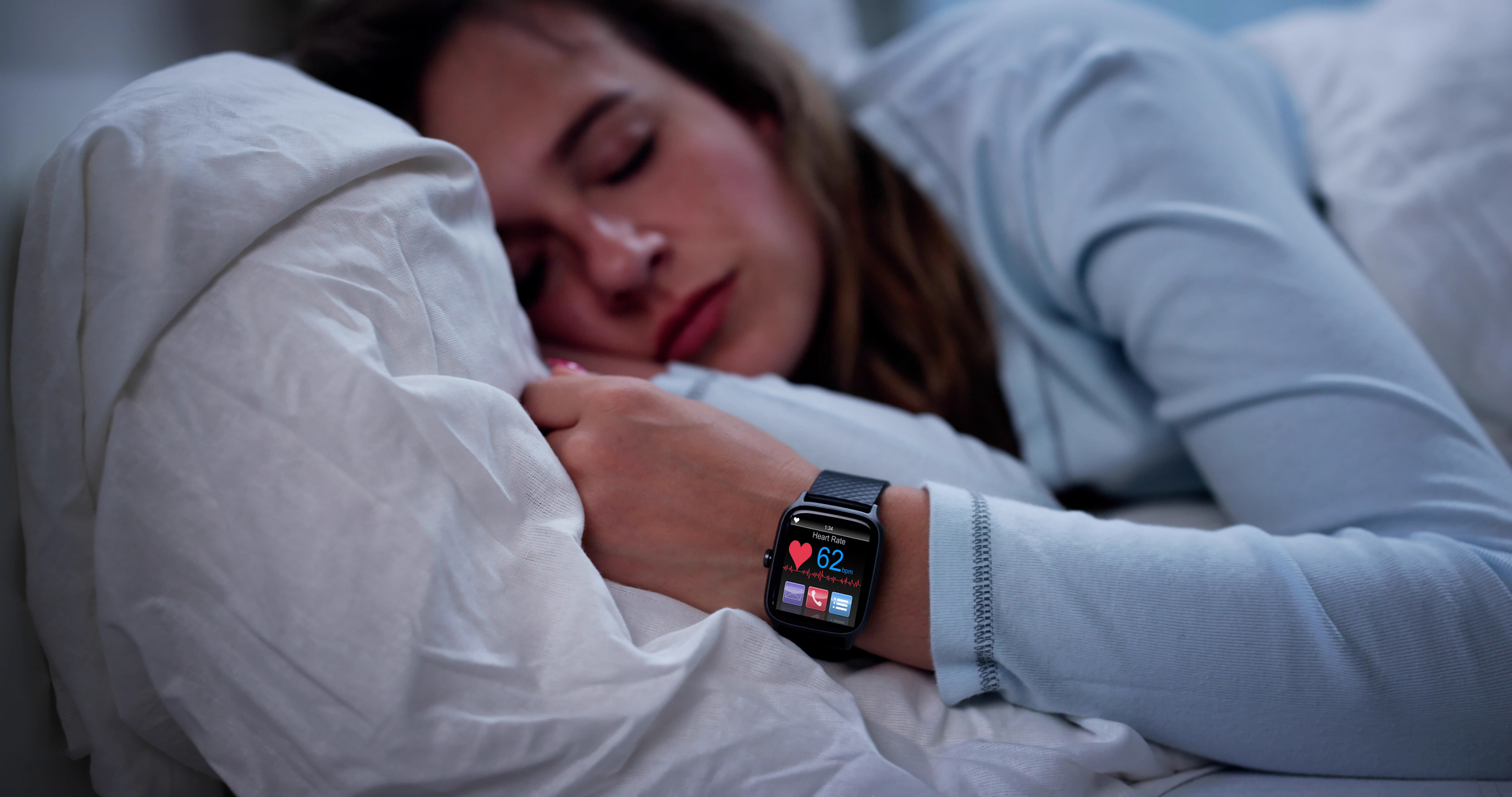




Highlights from the Integrative Practitioner Digital Summit on immunity
Photo Cred: Fauxels/Pexels
By Avery St. Onge
Integrative Practitioner hosted its second Digital Summit of the year on June 14. The event focused on the topic of immunity and included live sessions covering subjects such as treating autoimmune disease with botanicals, healthy aging, and COVID long-haul syndrome as well as a special edition Integrative Practitioner Podcast.
It you were unable to attend the event, we’ve compiled a round-up of top takeaways from the live presentations that you can apply to your patient practice. You can also watch the content on demand here.
Botanical Therapeutic Interventions for Autoimmune Disease
The first session of the summit was presented by Carolina Brooks, ND, IFMCP, owner of Anthrobotanica, a London-based clinic that provides healthcare involving nutrition, genetics, herbal medicine, endobiogeny, and orthomolecular medicine. In her presentation, she discussed how plant compounds and herbs can be used to help manage autoimmune disease.
There’s a misconception about herbs in the medical community, that they exacerbate autoimmune disease instead of helping them, Brooks began. However, “personalized herbal medicine can be used safely as part of a wider interpretive protocol for autoimmune disease,” she said.
The scope of autoimmune disease is not only vast, with more than 100 million processes, but also incredibly common, explained Brooks. In the United States alone, 24 million people have been diagnosed with one or more autoimmune disease. Even with a common diagnosis, Brooks said, successful interventions for immune system disorders differ for each patient, making a routine procedure all but impossible.
“Every patient has a different combination of immune dysfunction,” Brooks said. “Standard protocol is just not effective.”
Conventional treatment for autoimmune disease often calls for the use of medications such as immunosuppressants, biologics, and anti-inflammatories, which can have adverse side effects including increased risk of cancer, cognitive dysfunction, and osteoporosis, according to Brooks.
While medications cannot be directly replaced with herbs, Brooks explained, when used correctly, they can target specific symptoms and assist the patient into remission without the negative side effects of medication. According to Brooks, studies have shown promise in botanicals helping with Hashimoto’s thyroiditis, inflammatory bowel disease, Sjogren’s syndrome, and multiple sclerosis.
To use botanicals for patients with immune dysfunction safely and successfully, Brooks said there are several factors to keep in mind including:
- Distinguishing between immunostimulation and immunomodulation
- Potential interactions and/or side effects and cautions
- Timing
- Dosage and form
- Patient sensitivities/triggers
Brooks also listed important treatment considerations when using herbs for autoimmune disease which instructed practitioners to:
- Reestablish immune intolerance and support proper immune function
- Dampen oxidative stress and inflammation
- Increase glutathione levels
- Remove dietary, chemical, and lifestyle triggers
- Restore microbiome and support proper barrier function
- Support detoxification and address pathogens
- Mitigate side effects of medications
- Address psychoneuroimmune elements
For specific herbs to help with these conditions, Brooks suggested several based on what is being targeted. For immune function support she listed several options, among them:
- Astragalus
- Curcumin
- Eleuthero
- Echinacea
- Cat’s claw
- Gotu Kola
For digestion, liver, and gall bladder support she suggested:
- Triphala
- Dandelion
- Artichoke
- Liquorice
- Zingerone
Finally, to target pain, Brooks encouraged the use of
- Boswellic acid
- Corydalis
- Willow bark
- Harpagoside
To conclude her presentation, Brooks stressed that every patient has a different combination of triggers, drivers, and immune dysregulation, and as a result standard protocol does not work. Patients and doctors must work together, she said, to choose the appropriate herbs for their concerns.
“All patients respond differently to herbs,” said Brooks. “That’s the key caveat, you just don’t know how someone’s going react, but immune suppressant medications have their own risks and long-term implications.”
Six Keys to Healthy Aging: Immunosenescence, Immune Resilience, and Immune Restoration
Nalini Chilkov, Lac, OMD, discussed the hallmarks of aging, and ways to slow down the process during her mid-day presentation.
Chilkov, founder of the American Institute of Integrative Oncology Research and Education, began her presentation by distinguishing between lifespan and healthspan. She defined healthspan as “the length of time in one’s life during which an individual is in reasonably good health” which corresponds to lifespan. Lifespan is increased when healthspan is increased, Chilkov said.
Chilkov then explained the concept of immune aging, which results from genetic and epigenetic events accumulating throughout the lifespan. There’s both a decline in the innate and adaptive immune responses in addition to increased inflammation, said Chilkov. Immunosenescence, Chilkov said, is another factor that drives systemic aging. Senescent cells secrete inflammation-associated factors including IL-6 and IL-8, which are known as senescence-associated phenotypes (SASP). In turn, both immune aging and senescence are therapeutic targets to expand lifespan.
“Immunosenescence and senescence cells are literally a phenotype change, meaning that not only do cells change functionally, but they actually change in appearance, and this is part of what makes us look old, as well,” said Chilkov.
According to Chilkov, there are nine hallmarks of aging, which include:
- Altered intercellular communication
- Genomic instability
- Telomere attrition
- Epigenetic alterations
- Loss of proteostasis
- Deregulated nutrient sensing
- Mitochondrial dysfunction
- Cellular senescence
- Stem cell exhaustion
To promote healthspan and lifespan, Chilkov said there’s six key factors:
- Caloric restriction
- Reduces inflammation, reactive oxygen species production, and oxidative stress by improving mitochondrial biogenesis and detoxifying enzyme activity.
- Inflammaging
- Neuro-immuno-inflammaging is a result of reduced SIRT1 and Nfr2 activity with consequent increased NF—kB activation, raising proinflammatory factors.
- Phytochemicals like curcumin, resveratrol, and sulforaphane induce Nrf2 and SIRT1 activity and may inhibit the NF—kB activation.
- NAD+ precursors
- NAD (nicotinamide adenine di-Nucleotide) levels are lower with advanced aged which may lead to negative health outcomes like oxidative stress and type 2 diabetes.
- Nicotinamide riboside (NR) NAD+ precursor supports healthy NAD levels and ATP production, sirtuin activity, metabolic function, and healthy methylation.
- SIRT 1 Activation
- Declining levels of both NAD and SIRT1 contribute to mitochondrial dysfunction and the aging process.
- mTOR Inhibition
- TOR (target of rapamycin) regulates cell growth and proliferation, development, metabolism, and aging in response to the signaling cues of growth factors, nutrients, energy, and stress.
- Inhibition of the mechanistic TOR (mTOR) extends lifespan and improves age-related pathologies.
- Autophagy and Mitophagy
- During autophagy, cells form autophagosomes that capture cellular contents and target them for degradation.
- Blocking growth signaling promotes autophagosome formation, encouraging survival in stressed cells.
- Mitophagy is a mechanism for removing damaged mitochondria.
- Under oxidative stress this system can be impaired.
- Controlling autophagy and mitophagy requires low protein and low carbohydrate intake which could take the form of a fasting-mimicking diet or ketogenic diet.
- Herbs that can help include:
- Panax ginseng
- Curcumin
- Schisandra chinensis
- During autophagy, cells form autophagosomes that capture cellular contents and target them for degradation.
When encouraging healthy aging in patients, Chilkov said that implementing diet and lifestyle changes will also upregulate the six key factors she laid out.
“Don’t forget about adequate hydration, adequate sleep, adequate exercise, body composition, insulin sensitivity glycemic control, these are all important,” said Chilkov.
COVID-19 Long-Haul Syndrome—Where We Are Now
David Brady, ND, DC, CCN, DACBN, IFMCP, FACN, chief medical officer of Designs for Health, and one of the founders and chief medical officer of Diagnostic Solutions Labs, presented the final session of the summit on long-haul COVID syndrome or post-acute sequelae of SARS CoV-2 (PASC).
In the late spring of 2020, Brady said, the Italian city of Bergamo, which was one of the first European cities to face a devastating wave of COVID-19 infections, exhibited warning signs of the virus’ aftermath, with several patients struggling to recover months after infection.
Data from Bergamo, Brady explained, showed that many patients had persistent symptoms 60 days after their COVID-19 infection, among them:
- Fatigue
- Breathlessness
- Joint pain
- Chest pain
In the beginning, many long COVID-19 patients were not validated by conventional healthcare providers, according to Brady.
“Patients didn’t have one objectively shown cause and the disease was difficult to diagnose in the laboratory, so they were dismissed by organized medicine,” said Brady. “Patients as we know, were often told, ‘You’re a hypochondriac or you have a Prozac deficiency.’ They just weren’t taken seriously.”
Because patients did not find enough support in medical settings, many long COVID patients connected on social media, specifically Twitter, and defined the illness together, explained Brady.
“It was really created by patients finding each other and sharing experiences through various media outlets,” Brady said. “Actually, some early survey work done on them through crowdsourcing was what started to define this post-viral syndrome.”
Many long COVID patients are fit and young, Brady said, they’re not the same group as those at high risk for severe acute-COVID-19 who are commonly overweight, have chronic obstructive pulmonary disease (COPD), diabetes, and/or hypertension. Brady’s own wife, who ate an extremely healthy diet and exercised often, experienced long COVID. When Brady performed labs on her, her levels of IL-10, sCD40L, CCL5, TNF-alpha, and IFN-gamma came back high.
Although there has been speculation on the accuracy of long COVID private company laboratory testing, Brady expressed support for what these tests were trying to accomplish in the early days of long COVID.
“These tests are not supported by locked-down, proven, long-term retrospective, double-blind, placebo-controlled studies because they just haven’t had the luxury of time,” Brady said.
Recently, however, there have been a slew of high-level studies on the condition finding commonalities between long COVID and other chronic illnesses like Lyme disease and the Epstein-Barr virus, explained Brady.
In addition, new research suggests that instead of being a respiratory illness, like scientists initially presumed, COVID-19 is a whole-body condition, primarily affecting the vascular system at the level of small vessels, according to Brady.
In a study led by David Systrom, researchers compared what occurs in the muscles of long COVID patients to the process of heart failure, finding:
- Markedly reduced aerobic capacity
- High blood oxygen levels at the moment of peak exertion
- Increased blood oxygen saturation found in the venous blood
- Hyperventilation
- Significantly reduced left-side filling pressure
Scientists have also found that the illness is present in the gut long after it leaves the respiratory track, suggesting a gut-brain-lung connection, said Brady. This is why COVID-19 stool testing has proven to be effective.
To conclude his presentation, Brady listed some possible treatments for long COVID. He said that politics have gotten in the way of treatment as some medications like ivermectin were dismissed by politicians when they have been proven to be effective in some patients. Other possible interventions Brady listed included:
- Fluvoxamine
- Antihistamines
- Paxlovid
- Quercetin
- Intravenous vitamin C
- Resveratrol
- Glutathione
“There’s a big disconnect between doctors and patients right now,” Brady said. “A lot of them are turning to us as functional, integrative physicians and we need to do our homework because there’s some great treatments out there but also some dubious stuff.”
In addition to the featured presentations, a special edition of the Integrative Practitioner Podcast was released with guest Drew Ramsey, MD, focusing on the connection between immune health and mental health.
To view these presentations and the other sessions from our Digital Summit on immunity, be sure to check our website to access all the on-demand content from that day.
About the Author: CJ Weber

Also on Integrative Practitioner

Dental Danger: Signs of Sleep Breathing Disorders in children and Adults, Learn the Visual Clues
Non-Member Price: $30.00 Member Price: $18.00 – 40% Off for Members Only Add to Cart Presented by: Mark Breiner, DDS,...

Integrative and Comprehensive Approach to Inflammatory Bowel Disease
Non-Member Price: $30.00 Member Price: $18.00 – 40% Off for Members Only Add to Cart Presented by: Ronald Hoffman, MD,...

Measuring Biology vs. Symptomatology: The Fully Integrated Functional Wellness Program
Non-Member Price: $30.00 Member Price: $18.00 – 40% Off for Members Only Add to Cart Presented by: Dane Donohue, DC...

Change Your Genes, Change Your Life
Non-Member Price: $30.00 Member Price: $18.00 – 40% Off for Members Only Add to Cart Presented by: Kenneth Pelletier, PhD,...
Guided Imagery – Efficacious, Portable, Scalable, User-Friendly, Self-Administered
Non-Member Price: $30.00 Member Price: $18.00 – 40% Off for Members Only Add to Cart Presented by: Belleruth Naparstek, ACSW...