






Top takeaways from IFM’s 2022 Annual International Conference
Photo Cred: Karolina Grabowska/Pexels
By Avery St. Onge
The Institute for Functional Medicine (IFM) 2022 Annual International Conference (AIC) took place virtually June 4 to 5. Leaders in functional and integrative medicine gathered to discuss practice management and the latest clinical research in a wide variety of topics including the gut microbiome, sleep, and psychedelic psychotherapy.
The online event began with a welcome from Amy Mack, MPA/MSES, chief executive of IFM, who was speaking live from the IFM studio in Federal Way, Wash. More than 1,600 attendees from 47 different states and 57 different countries tuned into the event, making it the most attended AIC to date.
Here we share a few highlights from the event.
The Gut Immune Connection – And What Role Your Microbes Play in it
To kick off the conference, Emeran Mayer, MD, gastroenterologist, neuroscientist, and research professor at the David Geffen School of Medicine at University of Los Angeles, spoke about the many roles of the gut microbiome.
Mayer began with a discussion of the brain-gut-microbiome (BGM) axis. According to Mayer, there is a shared communication system between the enteric nervous system, which controls gut secretion, the human brain, and microbes.
“It’s no coincidence that microbiome interactions are at the core of the homeostasis of mind-body interactions,” said Mayer.
This system is complex, as there are 40 trillion microbes or microorganisms living inside the human body, explained Mayer. However, the most important aspect of the microbe, Mayer said, is their gene content. It is estimated that microbes have between two and 20 million microbial genes. In comparison, there are an estimated 20,000 human genes.
“Human genes make up about one percent of what’s called a whole genome of our complete system, which includes human and microbial genes,” said Mayer. Because conventional medicine does not address microbial genes, Mayer explained, “we have been neglecting 99 percent of that system in our concepts about pathophysiology or disease or health.”
Over the last decade microbiome science has significantly expanded, yet the function of most microbial genes remains unknown, according to Mayer. What the science has shown is that the function of the microbial community is similar between individuals. More research into the function of microbial genes and their interactions within the rest of the body is key in helping identifying disease within the disfunction of metabolites, Mayer explained.
Microbes play a major role in generating metabolites, which help breakdown substances in the body like food, drugs, and tissue, as a result, the metabolites ecosystem is an important factor of health, according to Mayer.
There are several influences on the gut microbial system including:
- Diet
- Stress
- Medications (specifically antibiotics)
- Pathogens
- Genetic backgrounds
According to Mayer, microbiome health is often formed in the first two years of life. The mother’s microbiome, a child’s mode of delivery, if a child is breast fed or given formula, exposure to antibiotics, and the mother’s mental and physical health, can all disturb the system. Unstable microbial ecosystems are associated with disorders such as irritable bowel syndrome, autism, depression, and anxiety. Stress induced change to the microbiome later in life, Mayer said, can also lead to health problems such as leaky gut syndrome, Parkinson’s disease, and obesity.
Recent studies have suggested that transplanting fecal matter of mice with certain genetic makeups can alter the makeup of the mouse recipient, changing their behavior. To Mayer, studies such as these are crucial in order to explore the true potential of microbiome science on curing and preventing disease.
“If you want to do anything preventative or curative beside what we are doing currently with medications, the main target is gut health where we can change the prevalence and morbidity of these diseases,” said Mayer.
Why Sleep?
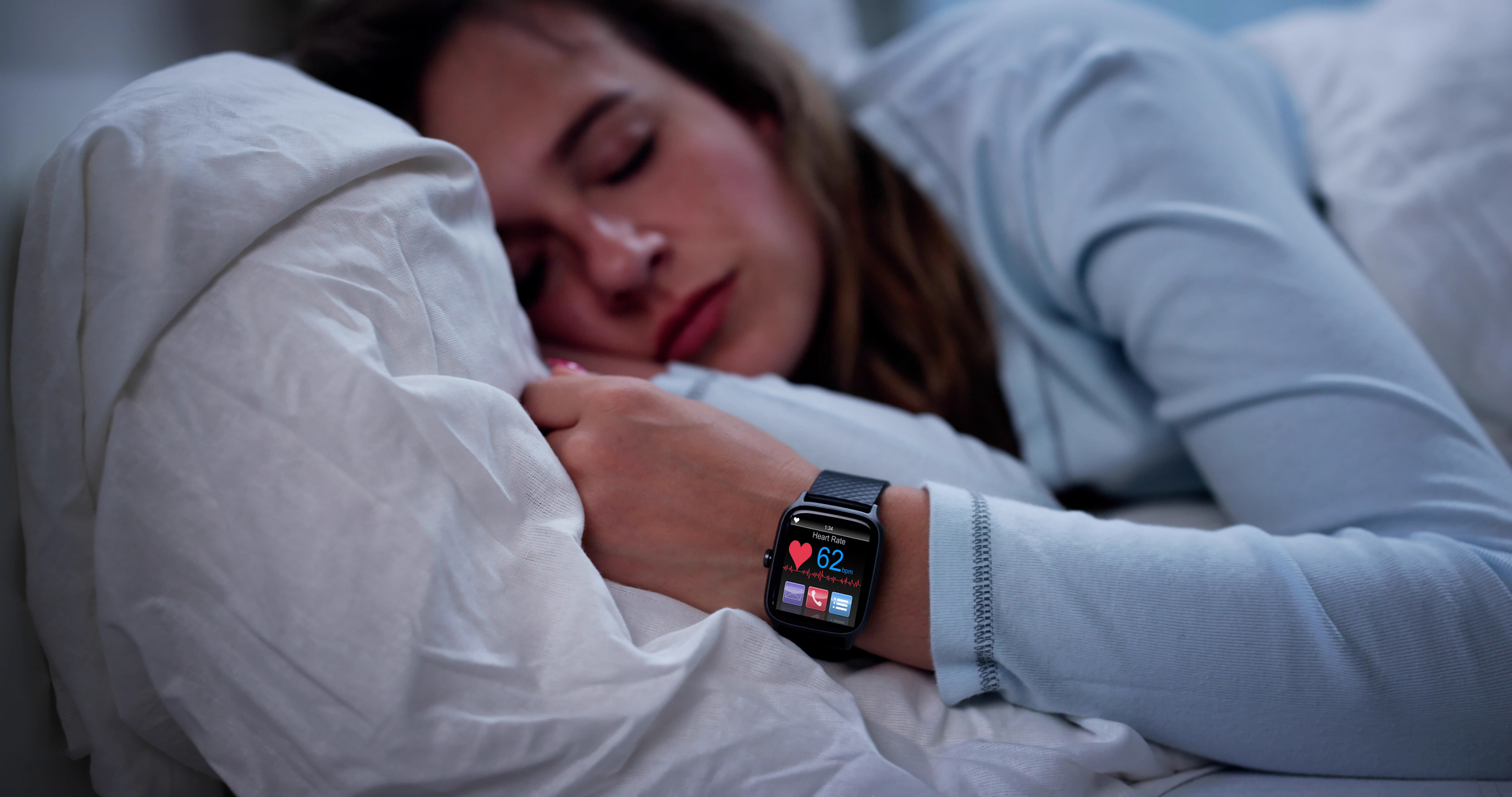
The second session of day one was presented by Matthew Walker, PhD, a professor of neuroscience and psychology at the University of California, Berkley, and author of the New York Times bestseller “Why We Sleep.” In his presentation, Walker gave an overview of sleep and its impact on areas of the brain and the body.
Walker began with an explanation of how sleep affects memory. He compared sleep to a save button for new memories. According to one of Walker’s studies, participants who pulled an all-nighter had a 40 percent deficit in learning the next day compared to those who got eight hours of sleep.
“Without sleep memories become waterlogged and you cannot form new ones,” said Walker.
It’s not coincidentally then, said Walker, as someone ages and their sleep gets worse, their memory also declines. Underappreciation of sleep is contributing to cognitive decline in aging, Walker explained.
“Sleep is a missing piece in the explanatory puzzle of Alzheimer’s disease,” said Walker.
In addition to the brain, the body is severely impacted by a lack of sleep. According to Walker, sleep is a critical aspect of hormone wellness. So much so, Walker said, that after one week of reduced sleep, blood sugar levels in a healthy adult could be considered prediabetic.
In addition, sleep is crucial for the production of natural killer cells, which Walker referred to as “immune system assassins” that can identify dangerous, unwanted elements, and eliminate them. According to Walker, after an individual gets four hours of sleep, their immune cell activity is significantly reduced, with a 70 percent decrease in natural killer cells.
In addition, a lack of sleep can alter one’s genetic code. Evidence suggests that hundreds of genes associated with promotion of tumors, chronic inflammation, and cellular stress, have distorted activity after lack of sleep, according to Walker.
While sleeping pills may seem like an obvious solution, they do not produce naturalistic sleep. Instead, Walker said he is a proponent of developing technology called direct current brain stimulation. In this therapy, electro pads are applied to the head and a small amount of voltage is inserted into the brain, boosting deep sleep brainwaves, and doubling the amount of memory benefit in young, healthy, adults.
To end his presentation, Walker listed some general tips on how to get a good night’s sleep including:
- Regularity: go to bed and wake up at the same time always, even on the weekends
- Keep your room cool
- Stop drinking caffeine at least 10 to 12 hours before you go to sleep
“Sleep unfortunately is not an optional lifestyle luxury, it’s a nonnegotiable biological necessity,” said Walker.
Reflection with Jeffery Bland
On the end of day one, Jeffery Bland, PhD, FACN, CNS, IFM board chair emeritus, gave a presentation that touched on the faults of the conventional healthcare system, how far functional medicine has come and his hopes for the future.
“How do we use a differential diagnostic pathology focused model to really manage the chronic complaints that people are experiencing and across a whole range of different phenotypes? That requires a different model,” Bland said. “And that’s where the functional medicine model emerged.”
Functional medicine, Bland said, tried to look at upstream physiological function and dysfunction across the four quadrants of physical function, metabolic, cognitive, and behavioral function.
Using obesity as an example, Bland explained that the functional teaching model describes inflammation, hormones, genetics and epigenetics, diet and exercise, and various lifestyle principles that are all related to the condition. For long-term health difficulties, Bland said, there needs to be a different, more complex model than what conventional medicine currently provides.
“I call it the telescope and microscope perspective,” Bland said. “We need to be telescopic in how we look out at the universe of health difficulties or health complexities, but then we need to be microscopic simultaneously to be able to get deep into understanding the single agents that might be imbalanced.”
Reflecting on the event’s presentations which included topics like applying regenerative agriculture to regenerative health, how to be a “change agent,” and leading-edge functional medicine interventions for breast cancer, Bland explained that while functional medicine is ever advancing, its mission remains the same: treating the root cause of the problem.
“Let us cultivate kindness and a world for all human beings and animals, too,” Bland said. “Let’s do so by treating people with the respect their genes deserve by providing a healthy environment to form healthy people and a healthy planet. That is the model of functional medicine.”
The New Paradigm in Mental Health: Brain Science, Psychedelic and Transformational Change
On the second day of the conference Scott Shannon, MD, FAACAP, founder of the Psychedelic Research and Training Institute (PRATI), which trains professionals in ketamine-assisted psychotherapy and conducts clinical studies on psychotherapy, presented on the future of functional psychiatric care.
Shannon began by addressing the current flaws in conventional psychiatric care. The current system, he explained, is a diagnostic system solely based on judgement and externalities.
“I joke that in psychiatry, there are only two failing systems: the diagnostic system and the treatment system,” Shannon said.
What functional psychiatry needs to focus on, according to Shannon, is prevention and access to mental health services. When patients are able to access psychiatric care, providers must be able to:
- Evaluate brain biology
- Address core imbalances
- Transform chronic states
To evaluate a patient’s brain biology, Shannon explained, there must be a way to measure the brain in a clinically useful manner. To do this, Shannon suggested the use of machine learning predicting through a quantitative electroencephalogram (qEEG) test.
According to Shannon, qEEG tests can allow providers to predict treatment responses and measure the effects of drugs.
“Psychiatry needs to move to a more realistic scientific foundation,” said Shannon. “And we need to do it with real time office-based assessments of brain function, brain patterns, and treatment guidance.”
Shannon then discussed the different categories of psychedelics, including:
- Classic psychedelics: lysergic acid diethylamide (LSD), Mescaline, Dimethyltryptamine (DMT), and Psilocybin
- Empathogens: methylenedioxyamphetamine (MDA), methylenedioxymethamphetamine (MDMA), 3-Methylmethcathinone (3MMC)
- Other psychedelics: Ibogaine, 2,5-dimethoxy-4-bromophenethylamine (2CB)
- Dissociative agents: ketamine, Nitrous oxide (NO2), Dextromethorphan (DXM)
While blind-testing is difficult with psychedelics, according to Shannon, studies on psychedelic-assisted therapy have been overwhelmingly positive. He said generally, these drugs allow patients to turn off their worry and self-referential processing and be in the moment.
Set up, setting, context, and preparation are key to psychedelic-assisted therapy, Shannon said. Although many results are positive, Shannon explained that this therapy is not magic and should be used in conjunction with other therapies for the best results.
“We are trying to remove the barriers with psychedelics so that people can heal themselves,” said Shannon. “This is not a suppressive technology that merely makes people manage their misery better.”
Closing
In her closing remarks, Mack thanked the audience for their engagement in the chat feature of the video call, the IFM team for organizing the event, and the conference speakers. To conclude, Mack announced that the 2023 IFM AIC will be held in person, June 1 to 3 at the Rosen Shingle Creek Hotel in Orlando, Fla.
About the Author: CJ Weber

Also on Integrative Practitioner

Measuring Biology vs. Symptomatology: The Fully Integrated Functional Wellness Program
Non-Member Price: $30.00 Member Price: $18.00 – 40% Off for Members Only Add to Cart Presented by: Dane Donohue, DC...

Integrative and Comprehensive Approach to Inflammatory Bowel Disease
Non-Member Price: $30.00 Member Price: $18.00 – 40% Off for Members Only Add to Cart Presented by: Ronald Hoffman, MD,...

Dental Danger: Signs of Sleep Breathing Disorders in children and Adults, Learn the Visual Clues
Non-Member Price: $30.00 Member Price: $18.00 – 40% Off for Members Only Add to Cart Presented by: Mark Breiner, DDS,...

Dietary Needs of the Cognitively Impaired
Non-Member Price: $30.00 Member Price: $18.00 – 40% Off for Members Only Add to Cart Presented by: Laura Rokosz, PhD...

Lifestyle Choices Chart Your Brains Destiny
Non-Member Price: $30.00 Member Price: $18.00 – 40% Off for Members Only Add to Cart Presented by: David Perlmutter, MD,...