











New billing codes for remote monitoring, care management offer opportunities for 2022
Photo Cred: Polina Tankilevitch/Pexels
By Judy Packer-Tursman
The American Medical Association’s recent release of the 2022 Current Procedural Terminology (CPT) code set offers two areas of particular interest to integrative healthcare practitioners: a new level of remote digital-health monitoring and more accessible care management, coding experts say.
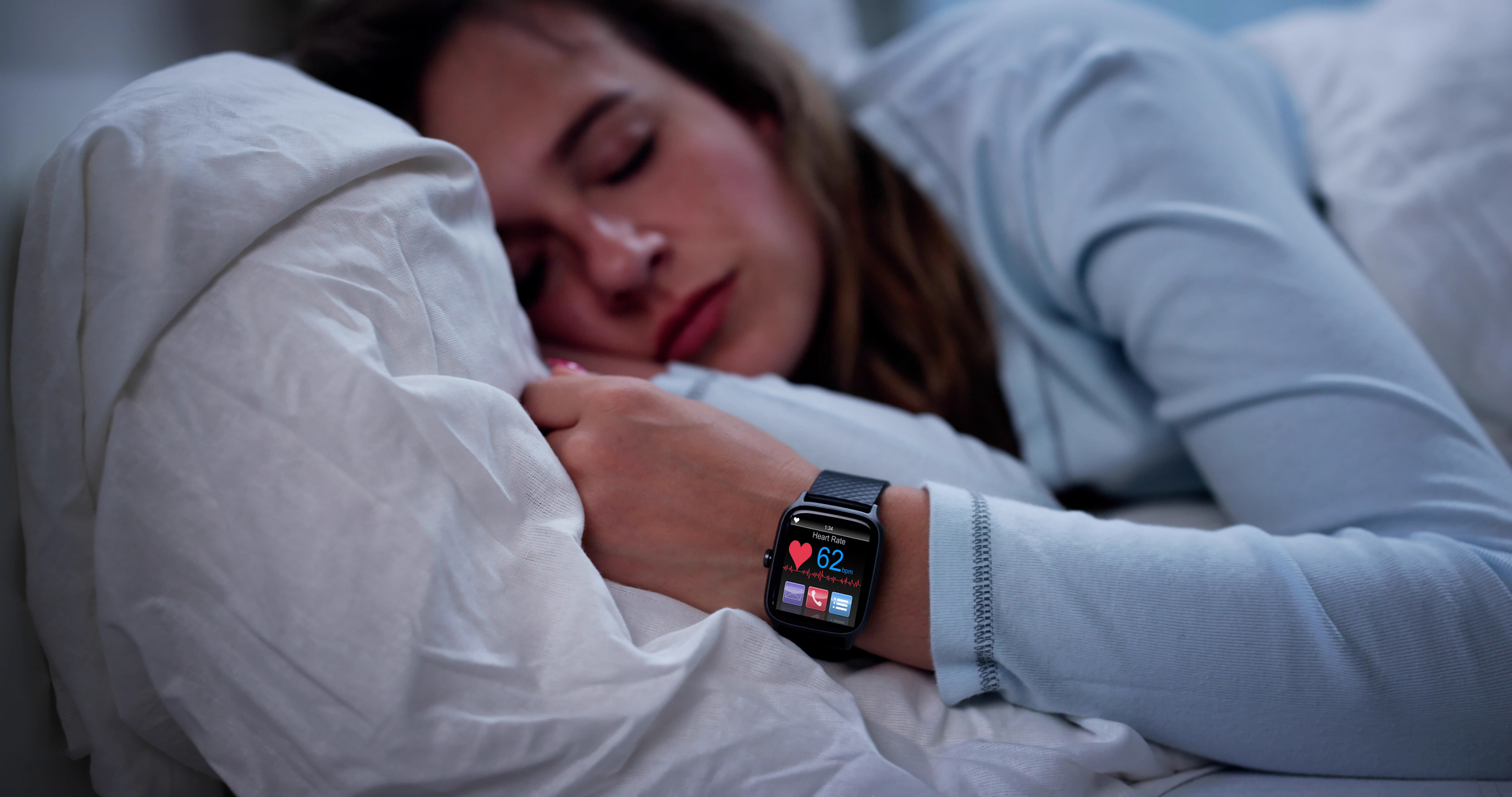
The AMA’s panoply of 249 new codes taking effect January 1, 2022 includes five additional codes to report remote therapeutic monitoring, to keep pace with advances in wearable digital medical technology. Also included are four additional codes for principal care management, to allow physicians and other qualified healthcare professionals to report services for patients with one complex chronic condition, instead of the two conditions previously required.
These coding changes for next year are likely to “bring in a much wider pool of patients,” said Sonda Kunzi, CPC, COC, CRC, CPB, CPCO, CPMA, CPPM, CPC-I, president of Coding Advantage in Chardon, Ohio.
The remote patient-monitoring coding for 2022 is “an expansion of what’s already out there, but it’s significant,” and offers new opportunities for clinicians to get reimbursed for services outside of the office, Kunzi said. She said she anticipates getting more details at the AMA’s annual medical coding symposium scheduled for mid-November.
“The best way to describe it is the integrative physician has traditionally provided services outside the office, whereas the traditional physician you have to come see [in the office]…and this widens the pool of people [the practitioner] can get reimbursed for using new technology and billable codes not out there before,” Kunzi said. “This keeps the connection to the provider outside the office.”
Kunzi said the new remote therapeutic monitoring codes cover the medical device’s initial setup, daily recordings, initial 20 minutes of staff time per month, and additional 20-minute increments of staff time per month, and focus on the respiratory and musculoskeletal systems.
In its rulemaking, the Centers for Medicare and Medicaid Services (CMS) has proposed using the new remote therapeutic monitoring array of codes as part of the Medicare 2022 physician fee schedule to complement the remote physiological monitoring codes introduced in 2019. CMS and the AMA “work in tandem,” Kunzi said. “CMS usually sets the stage for reimbursement and many of the payers wait for a… decision on how to use the codes that the AMA develops.”
Currently, remote monitoring requires data to be uploaded automatically to a wireless medical device without patient intervention, said Kunzi. By contrast, the new codes allow patients to become more involved and self-report some items and clinicians to bill for those services.
The AMA, in releasing the 2022 CPT code set, cited the example of patients using self-reporting to measure pain. “The whole idea is to keep the patient out of the hospital, having intervention opportunities to keep patients from being on their own [and] self-medicating,” Kunzi said.
Previous codes for patient monitoring might have focused on blood glucose monitoring or used a blood pressure cuff attached to the device, Kunzi said. “But we’re not looking at vitals anymore.,” she said. “We’re looking at the patient’s self-assessment on pain and other things…so, we’re still dealing with medical devices, but they also recognize self-reporting will be a part of it.”
Kunzi said the new remote monitoring codes for 2022 will be “easy to adopt” because they are written using the same structure concerning the digital device’s initial setup and patient education. Patient monitoring under the new coding will continue to be billed once every 30 days. “But you need more staff management to serve patients and reimburse providers,” she said.
While the new remote monitoring codes focus on the musculoskeletal system, physical therapists do not appear to be allowed to bill for them, Kunzi said, adding that she didn’t “have the full picture yet” on where things stand for various types of integrative practitioners. She also noted that it’s still not clear which medical devices fit into this category, since the code set does not include a specific list of U.S. Food and Drug Administration (FDA)-approved devices that may use text, images, or video.
According to Raemarie Jimenez, senior vice president of product for the American Academy of Professional Coders (AAPC), the AMA has worked for some time on creating more outpatient coding for principal care management, knowing this approach leads to better patient outcomes. The AAPC serves as a liaison to the AMA’s independent CPT editorial panel that oversees and reviews codes.
The AMA responded with new codes for 2022 to ensure that physicians can get paid for care management and related activities, such as patient education and care coordination, for patients with one major chronic illness managed by the provider at least 20 minutes per month, Jimenez said.
The AMA said the new CPT codes, plus revisions to existing CPT codes for care management, better align with Medicare guidelines to meet the reporting needs of practitioners trying to manage the chronic health conditions of an aging population in the U.S.
“[Physicians and other qualified healthcare professionals] have access to codes they didn’t have before for the care management services [that] they are providing,” Jimenez said“It is a reimbursement opportunity.”
Currently, many physician practices aren’t reporting care management and billing monthly for those services because they don’t have the internal systems or appropriate vendors in place, she said, but now they have added incentive to do so.
The 2022 CPT code set does not include specific changes for chiropractic or acupuncture coding, she said.
About the Author
 Judy Packer-Tursman
Judy Packer-Tursman is a veteran journalist based in Washington, D.C. with 30-plus years of experience in writing primarily about healthcare for newspapers including the Pittsburgh Post-Gazette, magazines including Medical Economics, newsletters, and digital media including HealthCare Dive. She first became steeped in reporting on integrative medicine as a freelance columnist for The Washington Post health section’s Treatment of Choice in 2000-2001, and she has followed developments in the field with keen interest ever since.
About the Author: CJ Weber

Also on Integrative Practitioner

Dental Danger: Signs of Sleep Breathing Disorders in children and Adults, Learn the Visual Clues
Non-Member Price: $30.00 Member Price: $18.00 – 40% Off for Members Only Add to Cart Presented by: Mark Breiner, DDS,...

Integrative and Comprehensive Approach to Inflammatory Bowel Disease
Non-Member Price: $30.00 Member Price: $18.00 – 40% Off for Members Only Add to Cart Presented by: Ronald Hoffman, MD,...

Measuring Biology vs. Symptomatology: The Fully Integrated Functional Wellness Program
Non-Member Price: $30.00 Member Price: $18.00 – 40% Off for Members Only Add to Cart Presented by: Dane Donohue, DC...

Change Your Genes, Change Your Life
Non-Member Price: $30.00 Member Price: $18.00 – 40% Off for Members Only Add to Cart Presented by: Kenneth Pelletier, PhD,...

Guided Imagery – Efficacious, Portable, Scalable, User-Friendly, Self-Administered
Non-Member Price: $30.00 Member Price: $18.00 – 40% Off for Members Only Add to Cart Presented by: Belleruth Naparstek, ACSW...