





Seven Resources on an Integrative Approach to Infertility
Photo Cred: fizkes/Shutterstock
By Avery St. Onge
According to the Centers for Disease Control, among married women aged 15 to 49 years with no prior births, about one in five are unable to get pregnant after one year, meeting the diagnostic criteria for infertility.
There are a number of underlying health conditions that lead to infertility, including polycystic ovary syndrome (PCOS), diminished ovarian reserve (DOR), and functional hypothalamic amenorrhea (FHA), often associated with eating disorders such as anorexia, as explained on the CDC’s website. However, it also notes that poor lifestyle choices are strongly associated with infertility; smoking, excessive alcohol use, and physical and emotional stress can all make it more difficult to conceive.
In other words, there is a confluence of factors that lead to infertility, most of which cannot be solved with any one pill, and that’s where integrative medicine comes in. Patients struggling with infertility need a personalized, multifaceted approach to improve fertility outcomes. In this article, we’ve rounded up seven of our most popular and informative resources to help you tackle infertility with your patients.
Continue reading to learn about the brain-gut-vagina axis, the effects of intermittent fasting on fertility, holistic treatments for PCOS, how to determine the root cause of hormonal imbalance, and more.
Integrative Approaches Provide Promise for Fertility Patients
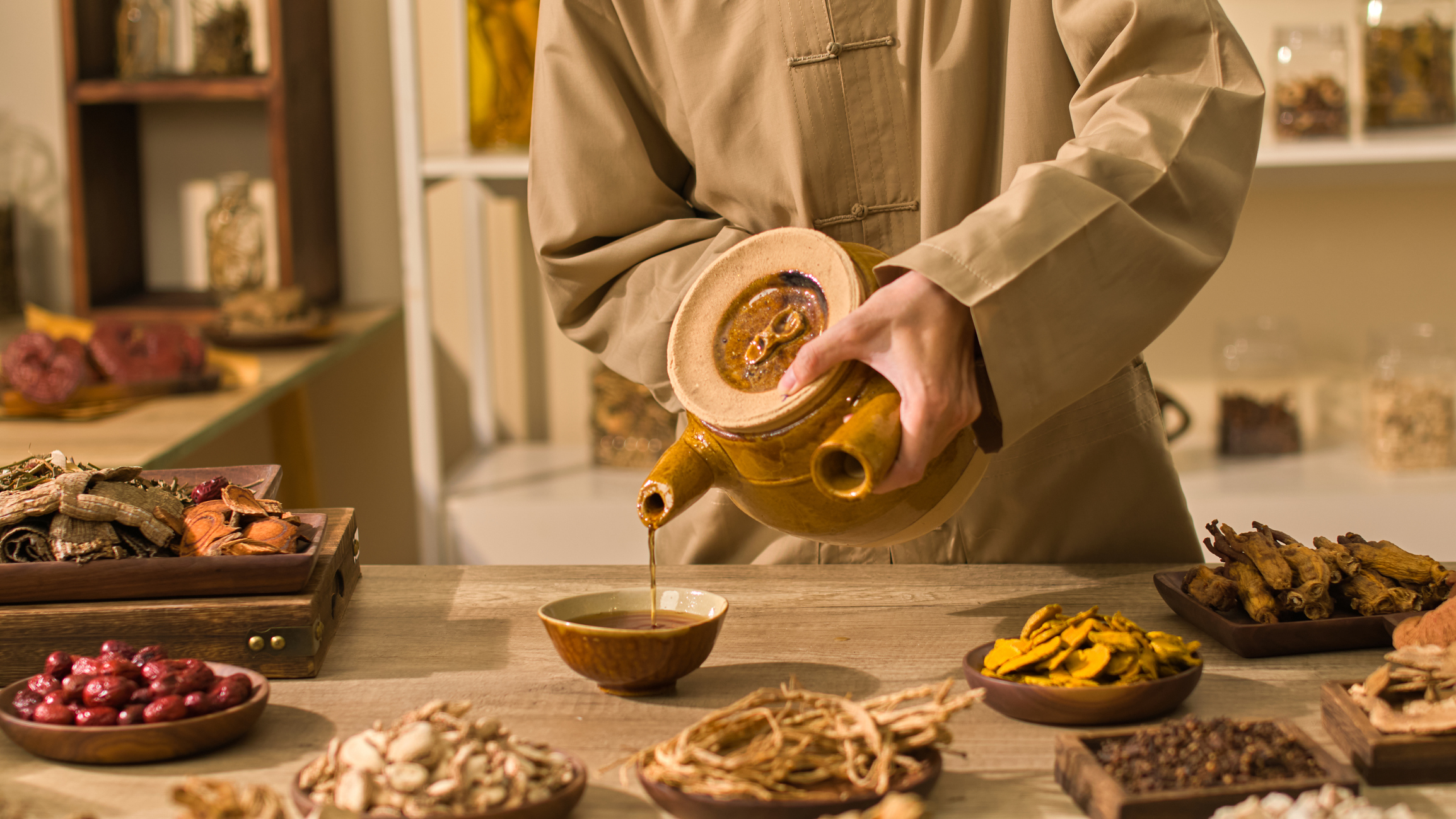
For patients who are struggling to get pregnant, integrative medicine modalities including acupuncture and Traditional Chinese Medicine (TCM), have shown promise in treating infertility. Integrative practices don’t replace traditional Western medical approaches to infertility, but rather enhance treatments, such as in vitro fertilization (IVF), while also addressing lifestyle factors that can affect fertility such as stress, nutrition, and low-quality sleep. Such protocols can support both female and male patients.
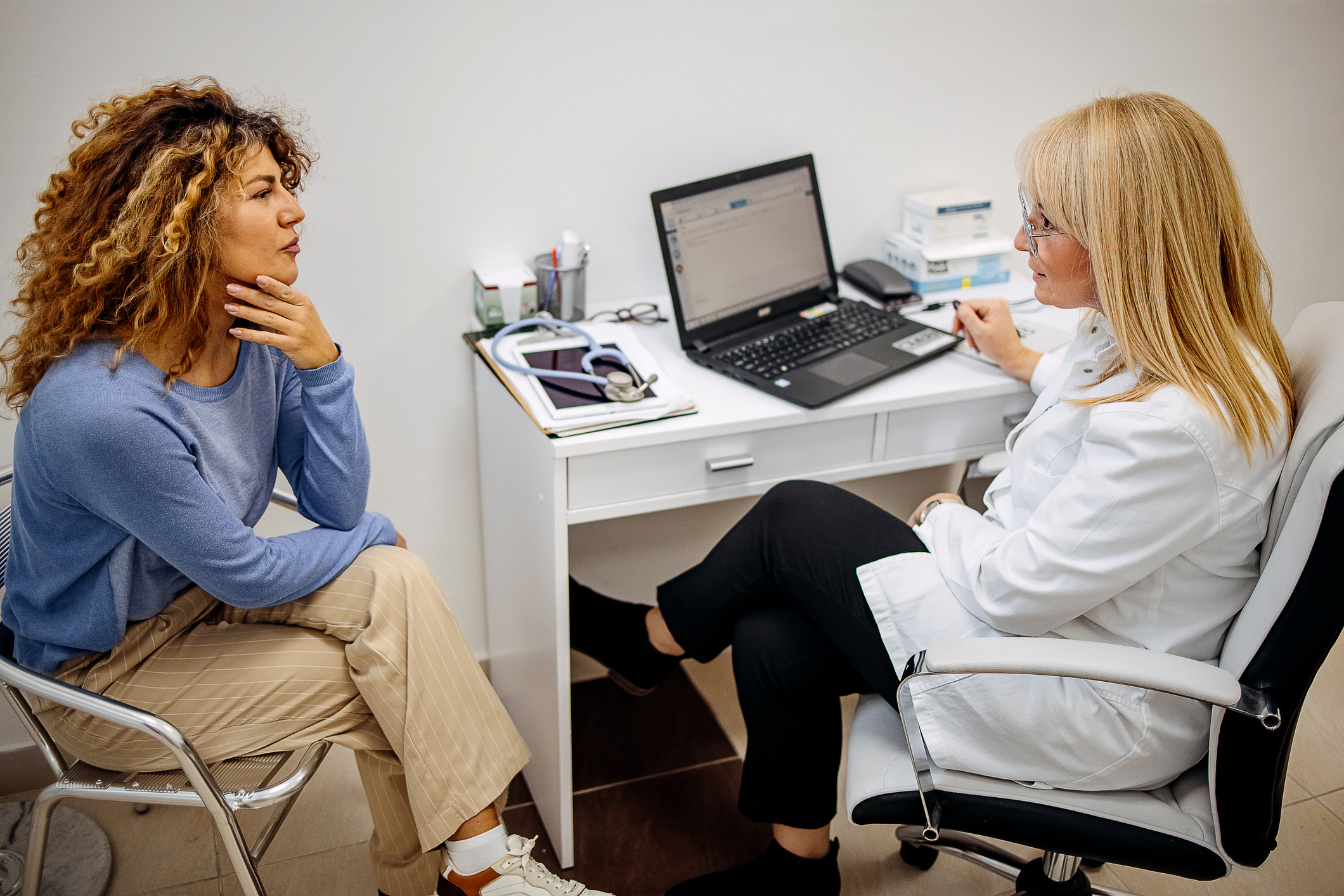
When a patient comes to see Rose Tan-Knight, Lac, MS, of Lotus Acupuncture in Walnut Creek, California, with fertility issues, she begins by conducting a thorough health history. This includes detailed questions about their menstrual cycle, general health, dietary habits, and where they are on their fertility journey.
To read more, click here.
Whole-Person Approaches to Polycystic Ovary Syndrome
Polycystic ovary syndrome (PCOS) is a poorly understood disorder with no tests to diagnose it definitively. Women commonly seek medical help because of irregular periods or androgen-excess symptoms like hirsutism, acne, and male-pattern baldness. However, for many women, they don’t find out they have PCOS until they have trouble conceiving. If left untreated, this disorder can increase the risk of type 2 diabetes, high cholesterol, and heart disease.
Traditional Chinese Medicine (TCM) excels at addressing complex health issues and treating the root cause of illnesses because the approach is to customize therapies based on the individual. As a result, TCM has been used to treat women’s hormonal health issues, including PCOS, for thousands of years.
To read more, click here.
Examining the Relationship Between Subfertility and Biological Aging
Monique Class, MS, APRN-BC, and Kalea Wattles, ND, IFMCP, join Integrative Practitioner Content Specialist, Avery St. Onge, to discuss why fertility issues can be risk factors for chronic disease and accelerated biological aging.
To listen to the full podcast interview, click here.
The Brain-Gut-Vagina Axis and How It Impacts Women’s Health
After learning about the brain-gut connection some ten years ago, Betsy Greenleaf, DO, FACOOG, FACOG, MBA, started to wonder how the concept could apply to her work as a urogynecologist specializing in pelvic medicine.
“I kept thinking about the gut-brain axis, and this light bulb went off, and I was like, ‘Wait a minute, there’s a connection to the vagina too,'” Dr. Greenleaf said. “I was starting to see that when women’s gut microbiomes were off, they were getting more recurrent urinary tract infections (UTIs) and vaginal dryness.”
When Dr. Greenleaf decided to dive deeper into the research, she unearthed a plethora of information linking the gut microbiome, the vagina microbiome, and a feedback loop to the brain which impacts women’s health concerns like fertility and sex drive.
To read more, click here.
Navigating the Hormonal Impacts of Intermittent Fasting for Women
Intermittent fasting (IF) is among the most common strategies for weight loss. It’s been shown to improve not just weight but also metabolic health, chronic inflammation, and aging. However, some reports suggest that the diet may be less effective for female patients.
According to Kaely McDevitt, RD, founder of KM Nutrition, few studies explore the impacts of IF on women specifically, a common theme throughout medical research. McDevitt, whose virtual private practice specializes in hormone balance and digestive health, said many of her clients have attempted IF only to worsen their hormone problems, particularly those of childbearing age.
To read more, click here.
Finding the Root Cause of Hormone Imbalance
Ayla Barmmer, MS, RDN, LDN, joins Integrative Practitioner Content Specialist, Avery St. Onge, to discuss different forms of hormone imbalances, their symptoms, and how to treat them with a functional and integrative medicine approach.
To listen to the full podcast interview, click here.
Keto Diet May Improve Fertility in Women With PCOS
The analysis, published in the Journal of the Endocrine Society, found that the keto diet may help balance reproductive hormone levels in women with PCOS, a condition that can contribute to infertility, increased risk of diabetes, obesity, and other metabolic health problems, according to a recent analysis.
The most common hormone disorder among women, PCOS affects seven to ten percent of women of childbearing age. According to the paper, the condition is associated with elevated levels of testosterone and other androgen hormones, irregular periods, and large ovaries with many small follicles. Previous research has shown that the keto diet may help women lose weight, improve their fertility, optimize their cholesterol levels, and normalize their menstrual cycles.
To read more, click here.
About the Author: CJ Weber

Also on Integrative Practitioner

Dental Danger: Signs of Sleep Breathing Disorders in children and Adults, Learn the Visual Clues
Non-Member Price: $30.00 Member Price: $18.00 – 40% Off for Members Only Add to Cart Presented by: Mark Breiner, DDS,...

Integrative and Comprehensive Approach to Inflammatory Bowel Disease
Non-Member Price: $30.00 Member Price: $18.00 – 40% Off for Members Only Add to Cart Presented by: Ronald Hoffman, MD,...
Measuring Biology vs. Symptomatology: The Fully Integrated Functional Wellness Program
Non-Member Price: $30.00 Member Price: $18.00 – 40% Off for Members Only Add to Cart Presented by: Dane Donohue, DC...

Change Your Genes, Change Your Life
Non-Member Price: $30.00 Member Price: $18.00 – 40% Off for Members Only Add to Cart Presented by: Kenneth Pelletier, PhD,...

Guided Imagery – Efficacious, Portable, Scalable, User-Friendly, Self-Administered
Non-Member Price: $30.00 Member Price: $18.00 – 40% Off for Members Only Add to Cart Presented by: Belleruth Naparstek, ACSW...