





Resource Roundup: A Whole Person Approach to Menopause
Photo Cred: Lopolo/Shutterstock
By Avery St. Onge
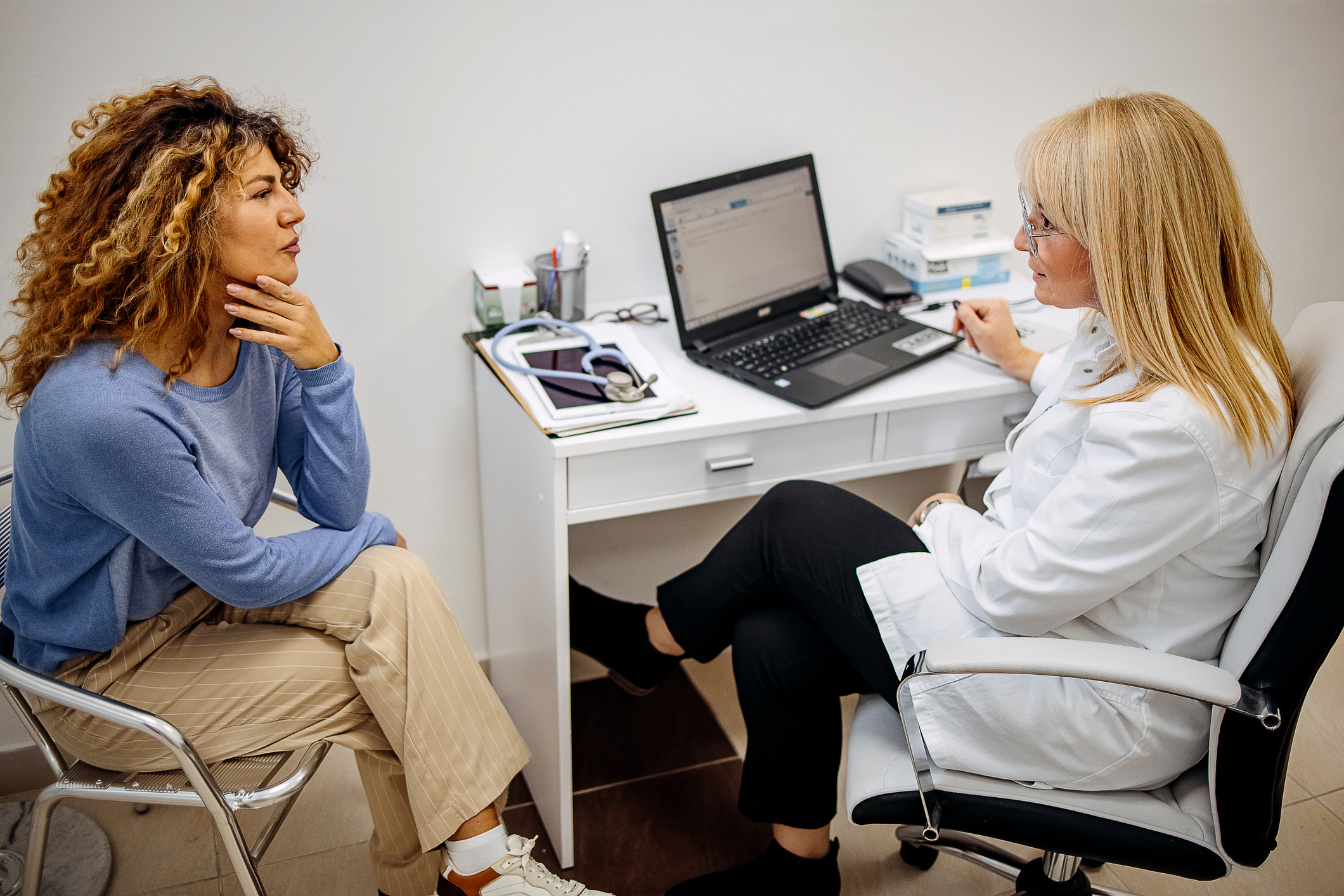
Menopause has long been a taboo subject, resulting in a lack of awareness in how to treat its symptoms among not only the general public but healthcare providers as well. And while there are conventional treatment options for menopause, many women seek an integrative approach to address their symptoms holistically.
According to the World Health Organization, menopause, which marks the end of a woman’s reproductive years, is accompanied by symptoms such as hot flushes and night sweats, changes in regularity and flow of the menstrual cycle, difficulty sleeping, vaginal dryness, and changes in mood. All that to say, a one-size-fits-all option is not realistic.
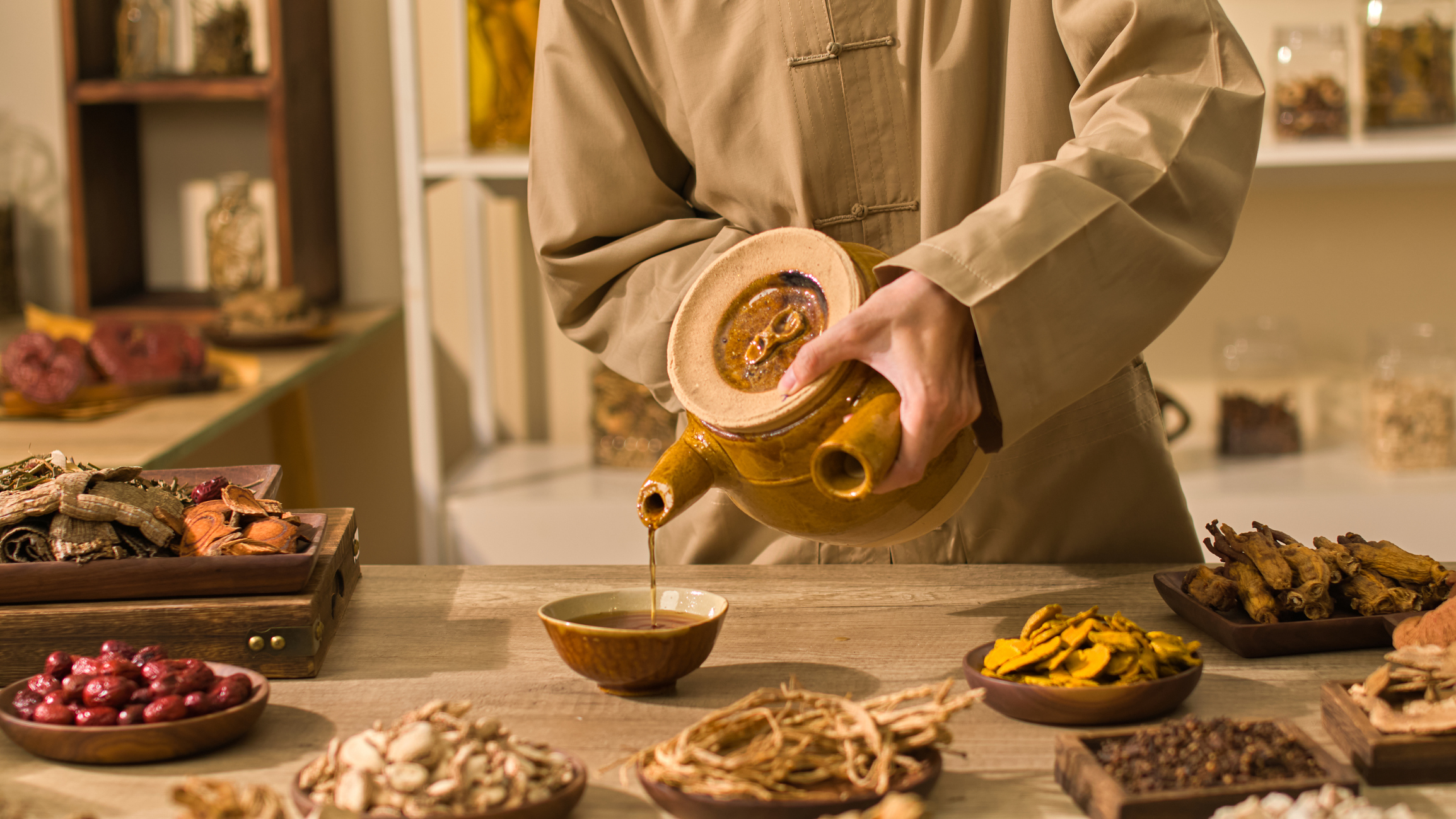
In this article, we’ve rounded up our top resources on treating menopause and perimenopause symptoms with integrative and functional medicine. Continue reading to learn about treating menopause with herbal remedies, hormone therapy, nutrition, cold exposure, and more.
Restoring Endocrine Function in Menopause with Specific Maca Phenotypes: A Functional Medicine Approach
Menopause is the talk in all walks of life. As part of this inevitable journey that women are on toward the declining function of the endocrine system, maintaining hormonal reserve for as long as possible is pivotal in helping to weather the perimenopausal storm of symptoms. After all, as research from Lisa Mosconi, PhD, and others would suggest, lower levels of hormones are often the primary crux for menopausal symptoms, whether brain fog, poor sleep, changes in cardiovascular markers, reduced bone mineral density, or even altered skin texture and hair quality. Estradiol, progesterone, testosterone, melatonin, cortisol, and many other hormones all play a powerful role in all these body systems, and when they decline due to the decreasing function of the entire endocrine system, it can take a toll.
To read more, click here.
An Integrative Approach to Hormone Therapy for Menopause
In a recent statement from The North American Menopause Society (NAMS), the organization announced its updated position on treating symptoms of menopause with hormone therapy, concluding that the treatment’s benefits outweigh the risks for those under age 60 within 10 years of menopause onset.
For many integrative practitioners already providing hormone therapy to patients experiencing symptoms of menopause, NAMS’ new stance was welcome news. However, according to Tara Scott, MD, although the medical community is becoming more accepting of hormone therapy, many providers remain reluctant to bring it up with patients.
To read more, click here.
Blackcurrant Shows Promise for Mitigating Postmenopausal Bone Loss
As women enter the postmenopausal stage, the risk of bone density loss increases significantly, leading to a heightened susceptibility to fractures and osteoporosis. However, recent research from the University of Connecticut (UConn) suggests that a natural intervention—blackcurrant supplementation—may offer a protective effect against this common age-related concern.
In a study published in the Journal of Nutritional Biochemistry, UConn researchers explored the potential of blackcurrant, a tart berry known for its rich antioxidant content, to mitigate bone density loss in peri- and early postmenopausal women. Led by Ock Chun, PhD, a professor of nutritional sciences, the research builds on earlier findings from animal studies, which indicated that blackcurrant could prevent bone density loss in mice.
To read more, click here.
Navigating the Hormonal Impacts of Intermittent Fasting for Women
Intermittent fasting (IF) is among the most common strategies for weight loss. It’s been shown to improve not just weight but also metabolic health, chronic inflammation, and aging. However, some reports suggest that the diet may be less effective for female patients.
According to Kaely McDevitt, RD, founder of KM Nutrition, few studies explore the impacts of IF on women specifically, a common theme throughout medical research. McDevitt, whose virtual private practice specializes in hormone balance and digestive health, said many of her clients have attempted IF only to worsen their hormone problems, particularly those of childbearing age.
To read more, click here.
Cold Water Swimming May Improve Menopause Symptoms
New research published in Post Reproductive Health reveals that menopausal women who engage in cold water swimming report substantial improvements in both physical and mental symptoms. The survey study highlights notable alleviation in symptoms like anxiety, mood swings, and hot flushes.
The survey, conducted by researchers from University College London, involved 1,114 women, 785 of whom were experiencing menopause. The results revealed that a significant portion of menopausal women experience improvements in their well-being due to cold water swimming, with 46.9 percent observing reduced anxiety, 34.5 percent experiencing fewer mood swings, 31.1 percent noting an uplift in general mood, and 30.3 percent seeing a decrease in hot flushes.
To read more, click here.
Does Hormone Therapy Increase or Decrease Alzheimer’s Dementia Risk?
The data regarding the risk of Alzheimer’s dementia for women taking hormones is nuanced and sometimes contradictory. Fortunately, there are emerging, useful data and important considerations to help guide clinicians when working with menopausal patients.
In 2023, there were several studies published in prestigious medical journals describing a potential increased risk of developing dementia and Alzheimer’s disease (AD) in women who received menopausal hormone therapy (MHT). This included a Danish nested case-control study in BMJ and a cross-sectional study from Wisconsin published in JAMA Neurology.
To read more, click here.
Addressing the Root Cause of Perimenopause Symptoms
Treating hormone imbalance in middle-aged women requires a multifactorial approach that addresses the root cause of their symptoms.
In this case report, experts work with a patient struggling with perimenopause symptoms. This report highlights nutrition, supplement, and lifestyle recommendations for balancing female hormones, featuring expert perspectives from Wendy Warner, MD, Daemon Jones, ND, and Deanna Minich, MS, PhD, CNS, IFMCP.
To learn more, click here.
About the Author: CJ Weber

Also on Integrative Practitioner

Dental Danger: Signs of Sleep Breathing Disorders in children and Adults, Learn the Visual Clues
Non-Member Price: $30.00 Member Price: $18.00 – 40% Off for Members Only Add to Cart Presented by: Mark Breiner, DDS,...

Integrative and Comprehensive Approach to Inflammatory Bowel Disease
Non-Member Price: $30.00 Member Price: $18.00 – 40% Off for Members Only Add to Cart Presented by: Ronald Hoffman, MD,...
Measuring Biology vs. Symptomatology: The Fully Integrated Functional Wellness Program
Non-Member Price: $30.00 Member Price: $18.00 – 40% Off for Members Only Add to Cart Presented by: Dane Donohue, DC...

Change Your Genes, Change Your Life
Non-Member Price: $30.00 Member Price: $18.00 – 40% Off for Members Only Add to Cart Presented by: Kenneth Pelletier, PhD,...

Guided Imagery – Efficacious, Portable, Scalable, User-Friendly, Self-Administered
Non-Member Price: $30.00 Member Price: $18.00 – 40% Off for Members Only Add to Cart Presented by: Belleruth Naparstek, ACSW...