








Facilitating end of life plans at home
By Amy Kenefick Moore, PhD
While many people wish to have a planned death at home, it’s not easy to accomplish and may not be feasible in all cases.
For Louise, it was quite clear. She would die at home, where she had lived with her husband for 25 years and then as a widow for the next 40 years.
“They’ll take me out feet first,“ she said. “No hospitals, no way.”
The out-of-state family knew she had wanted to die at home but had no idea of how that would work.
“I am not going to the hospital,” she said firmly. “I will not discuss it anymore.”
Like many of her contemporaries, she had a moderately long list of medical diagnoses. Only one was likely to cause her death. Her physician had written the DNR order and made the hospice referral. She quickly fired the hospice nurse.
“Too meddlesome; won’t talk about anything interesting.”
Most people thinking about the end of life want to die at home. Healthcare insurers know that death at home is less expensive than death in a facility. Even people without homes want to die at home. There are mobile palliative care teams which reach out to homeless people with terminal illnesses. Death certificate data in the U.S. reveal that the percentage of deaths occurring at home increased by nearly a third between 2009 and 2014.
At 94 years old, she ended up in the hospital, after a few days of the ‘dwindles’. Her companion had called the paramedics and the nice young man said he was concerned and would like to take her to the hospital.
“Would that be OK?”
“Yes”, she said, looking pale and smaller than her usual self.
Dying well at home may be easier said than done
To have a planned death at home, there needs to be at least one primary caregiver, willing and able to provide intimate, continuing, coordinating, and unpaid services for as long as the process takes. It’s not uncommon for the ‘well’ caregiver to die before the sick one does, presumably from the stress. Caregivers, perhaps in poor health themselves, experience both emotional and physical strain, including depression, anxiety and exhaustion. The nature of the final illness and its associated symptoms are important. Financial and social resources and the availability of skilled and professional care givers can determine success or failure.
When the nurse asked where she was, Louise said, ‘well where do you think I am?
The nurse responded that she was that the MM hospital, she had come this morning in an ambulance. “Preposterous,” she said.
Looking around at her hospital room, and picking at the IV site, she said, “I’d never go to the hospital.”
She didn’t object to the two units of blood, IV fluids, and antibiotics. Until they were able to reach her primary care physician, there had been discussion of CT scans and more x-rays. They changed her bed designation to, “inpatient hospice”. She slept most of the time.
The practitioner’s ethical responsibility
Supporting the patient’s wishes to die at home is consistent with the ethical value of autonomy. True autonomy is free of constraint. Lack of resources to support the choice to die at home limits the patient’s expression of autonomy. Beneficence, doing good, becomes the major ethical concern. One can prevent paternalism by clarifying both the patient’s’ wishes and the availability of resources and acting within those considerations. L had clearly communicated her wishes. Because she had refused hospice care, there was no system in place. Even communication of the existing DNR order wouldn’t have kept her out of the hospital.
Illness Trajectory
One can use anticipated illness trajectory to understand the choices available to patient. Trajectory is the course of illness through its conclusion. Trajectory can vary with the kind of disease. For example, cancer follows a more predictable course with a clear terminal phase while cardiac and respiratory diseases typically have intermittent acute exacerbations, partial recoveries, and sudden death. Prolonged dwindling and frailty typify advanced age and dementia. In L’s case her cancer symptoms hadn’t changed much in the past few months, but her ability to care for herself and her physical strength had declined noticeably. Typical of an advanced age trajectory it might have been a trigger to actualize her plans.
Reasons why hospital death might be preferred
If the patient is in the hospital when noted to be actively dying, transport to home is likely not feasible. They might die en route or before they could be comfortably settled. If the patient is at home, one should consider transfer to the hospital for severe symptoms that are uncontrolled or require technology not easily available at home, such as frequent IV medications. Personnel, supplies, or equipment may be insufficient. Primary care givers may be exhausted or unable to cope with the reality of death at home. Perhaps they are unable, unwilling to perform intimate personal care or to handle difficult symptoms. In 2016, 7.4 percent of hospice patients died in an acute care hospital (not a hospice inpatient facility).
Questions to ask
At each visit, consider the feasibility of the patient’s end of life plans. As they say, a goal without a plan is just a wish. Review the following questions, revising the plan as needed.
- Does the patient have the mental capacity to make EOL care-planning decisions?
- Have their original preferences changed?
- Do they understand the likely trajectory of illness?
- What are the goals of care?
- What are they hoping for?
- Are they in the best place of care, given their needs and desires?
- For caregivers, what are their beliefs, attitudes, opinions and their risk for physical injury and stress?
- Regarding resource allocation, both human and material, is there coordination with palliative and pastoral care, social work and availability of social support, and 24/7 caregiving (respite for primary caregivers)
- Is it possible to make arrangements in a timely manner?
Two days later, at about 9 a.m., sometime between the complete bed bath, as the harpist began to play something lovely, Louise simply stopped breathing. Looking at the companion who was holding L’s hand, the harpist said, “I think she’s gone.” Then she pressed the call button to summon the nurse and began put her harp back in its case.
Louise didn’t die at home, but she thought she was at home. She had access to all the care and companionship she needed. Because she didn’t have a functional system for dying at home, dying in the hospital was the closest that L could come to achieving her wishes. What the practitioner can do without participation of the patient or her designees and sufficient time and resources is limited. Reviewing the feasibility of the patient’s wishes in a timely manner is the key to actualizing them. There may be better alternatives.
References
Caresearch Palliative Care Knowledge Network (2017). Principles of Good End-of-Life Care. https://www.caresearch.com.au/caresearch/tabid/739/Default.aspx [Accessed 10 Sep. 2018].
Centers for Disease Control and Prevention (2016). QuickStats: Percentage Distribution of Deaths, by Place of Death—United States, 2000–2014. MMWR. Morbidity and Mortality Weekly Report, 65(13), 357.
Centers for Disease Control and Prevention, National Center for Health Statistics. Underlying Cause of Death 1999-2016 on CDC WONDER Online Database, released December, 2017. Data are from the Multiple Cause of Death Files, 1999-2016, as compiled from data provided by the 57 vital statistics jurisdictions through the Vital Statistics Cooperative Program. http://wonder.cdc.gov/ucd-icd10.html [Accessed 10 Sep. 2018].
Grady, P. & Rosenbaum, L. (2015). The Science of Caregiver Health. Journal of Nursing Scholarship, 47(3), 197-199.
Irish Hospice Foundation (2014). Enabling More People to Die at Home: Making the Case for Quality Indicators as Drivers for Change on Place of Care and Place of Death in Ireland. https://hospicefoundation.ie/wp-content/uploads/2014/12/Enabling-More-People-to-Die-at-Home1.pdf [Accessed 10 Sep. 2018].
Perkins, M., Howard, V., Wadley, V., Crowe, M., Safford, M., Haley, W., Howard, G. and Roth, D. (2012). Caregiving Strain and All-Cause Mortality: Evidence From the REGARDS Study. The Journals of Gerontology Series B: Psychological Sciences and Social Sciences, 68(4), 504-512.
Statista (2018). Distribution of U.S. hospice patients at time of death in 2016, by location. https://www.statista.com/statistics/339871/location-of-us-hospice-patients-at-death/ [Accessed 10 Sep. 2018].
About the Author
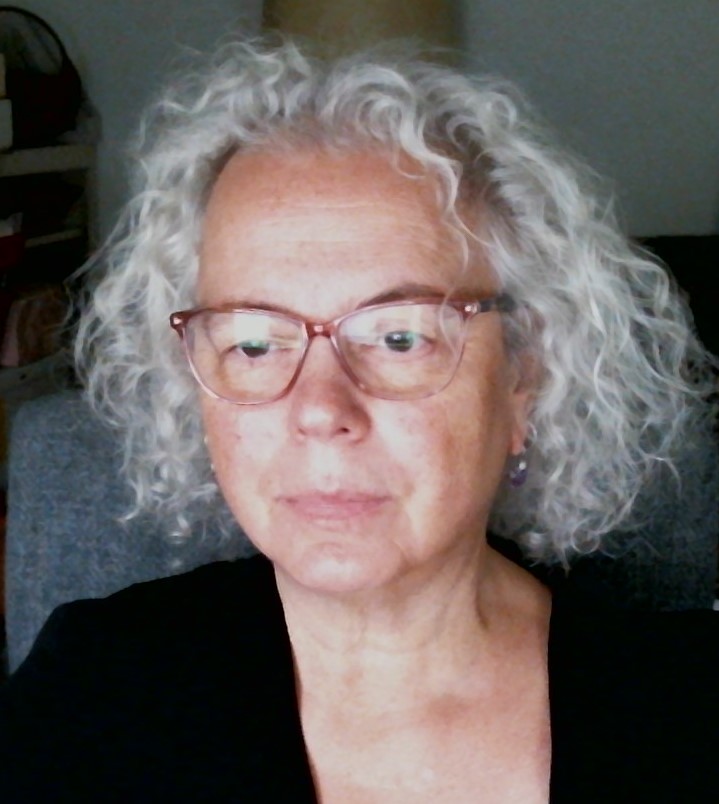 Amy Kenefick Moore, PhD
Amy Kenefick Moore, PhD is an Associate Professor at the University of Connecticut School of Nursing teaching in its Holistic Nursing Certificate Program. She has taught nursing theory and statistical analysis of health-related data for more than 20 years.
Certified as an Advanced Practice Holistic Nurse, Nurse Midwife, Family Nurse Practitioner, and Health and Wellness Nurse Coach, she has a private practice in integrative nurse coaching.
About the Author: CJ Weber

Also on Integrative Practitioner

Dental Danger: Signs of Sleep Breathing Disorders in children and Adults, Learn the Visual Clues
Non-Member Price: $30.00 Member Price: $18.00 – 40% Off for Members Only Add to Cart Presented by: Mark Breiner, DDS,...

Integrative and Comprehensive Approach to Inflammatory Bowel Disease
Non-Member Price: $30.00 Member Price: $18.00 – 40% Off for Members Only Add to Cart Presented by: Ronald Hoffman, MD,...

Measuring Biology vs. Symptomatology: The Fully Integrated Functional Wellness Program
Non-Member Price: $30.00 Member Price: $18.00 – 40% Off for Members Only Add to Cart Presented by: Dane Donohue, DC...

Change Your Genes, Change Your Life
Non-Member Price: $30.00 Member Price: $18.00 – 40% Off for Members Only Add to Cart Presented by: Kenneth Pelletier, PhD,...

Guided Imagery – Efficacious, Portable, Scalable, User-Friendly, Self-Administered
Non-Member Price: $30.00 Member Price: $18.00 – 40% Off for Members Only Add to Cart Presented by: Belleruth Naparstek, ACSW...