











What the heck is the Pegan Diet?
By Katherine Shagoury
When Mark Hyman, MD, director of the Cleveland Clinic Center for Functional Medicine and author of FOOD: What the Heck Should I Eat?, was asked to describe his own diet, he coined the term “pegan,” an unlikely mix combining principles from vegan and Paleo lifestyles. What he means by “pegan,” or “Paleo-Vegan,” is, like a Paleo diet, he incorporates pasture-raised or grass-fed meat and eggs, healthy fats, and restricted carbs and, like a vegan diet, he aims for plant-heavy and dairy-free.
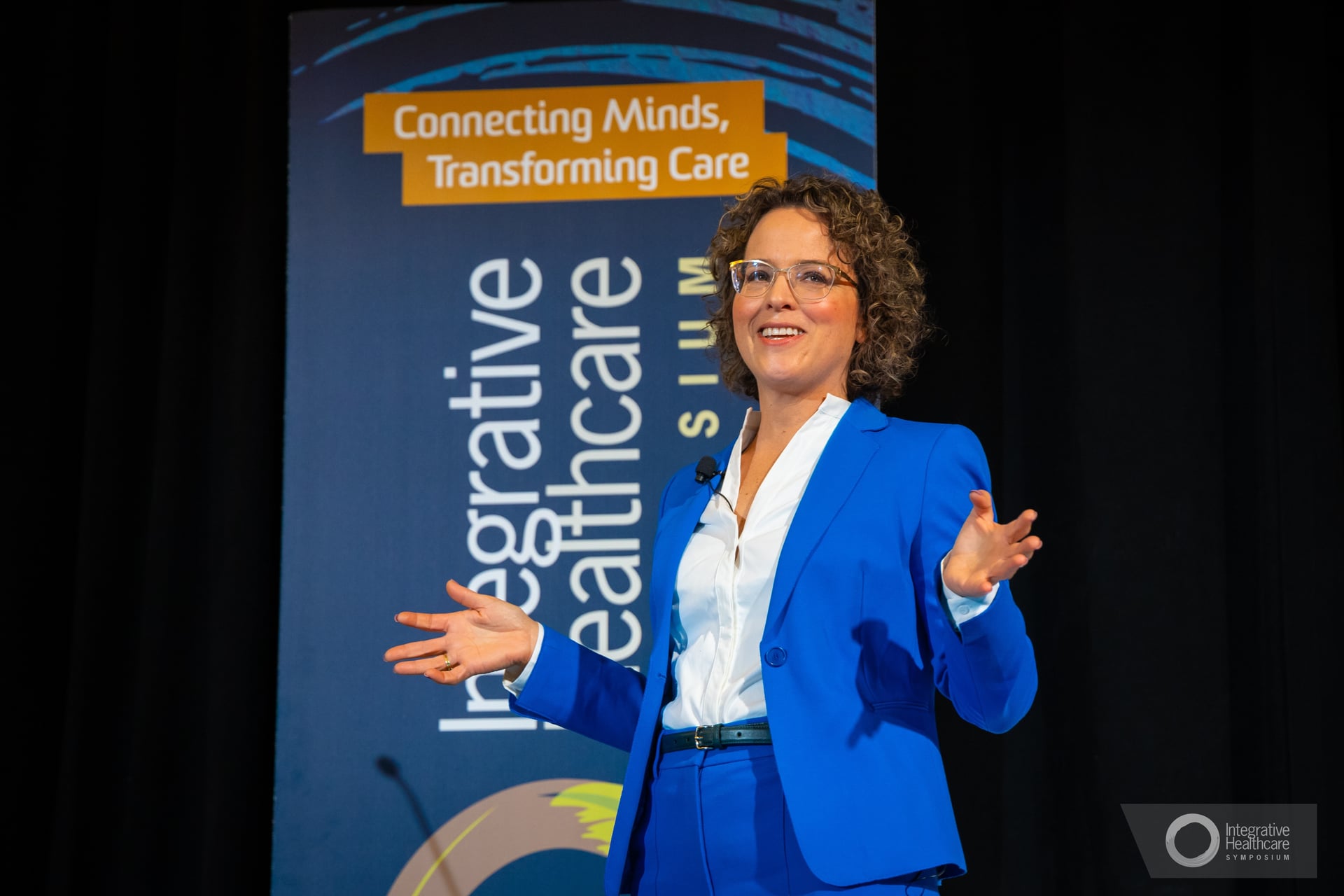
During a talk at the Integrative Healthcare Symposium Annual Conference in New York City last February, Hyman discussed the Pegan Diet in detail, and now we’re offering you the inside scoop so you and your patients can embrace the pegan lifestyle.
Nutrition research can be confusing, even for integrative medical professionals, Hyman said. Both Paleo and vegan individuals can point to dozens of studies that back up their diet of choice and show they help with weight loss and managing chronic disease. However, a great deal of nutrition studies look at population habits, which Hyman says can be misleading and confusing, and point to cause and effect rather than correlation. This makes it hard to draw firm conclusions on which lifestyle is best.
This is why Hyman votes for the pegan diet, which he says focuses on balance and intelligent eating, and real, whole, fresh foods that are sustainably raised. In general, the pegan diet follows of a few key principles:
- It’s low in glycemic load, meaning low in sugar and refined carbohydrates
- It’s high in vegetables and fruits, with an emphasis on a variety of colors
- It’s low in pesticides, antibiotics, and hormones, and does stay away from GMOs when able
- It eliminates all chemicals, additives, preservatives, and artificial sweeteners
- It’s high in good quality fats, omega-3 fats
- It consists of adequate protein, with all animal products sustainably raised or grass-fed and low-mercury and low-toxin fish
- It’s organic, local, and fresh when possible
The pegan diet also eliminates dairy, which Hyman says contributes to obesity, diabetes, heart disease, and cancer. Hyman also advises patients to stay away from gluten because it creates inflammation, autoimmunity, and other digestive disorders.
 Hyman uses his Pegan Food Pyramid to illustrate his food philosophy. Like the now defunct food pyramid created by the U.S. Department of Agriculture, Hyman’s pyramid is based with foods that should make up the majority of the pegan diet and works its way up to foods that should be limited or used sparingly.
The bottom of the Pegan Food Pyramid is non-starchy vegetable plant foods, which can be consumed in unlimited amounts, said Hyman. “Plant foods should take up the majority of the plate,” he said.
For healthy fats and proteins, Hyman recommends three to five servings of fat per day and four to six ounces of protein per meal. Nuts and seeds are full of protein, minerals, and good fats and lower risk of heart disease and diabetes.
Animal protein can be a part of a healthy diet, Hyman said, as long as it is high quality as well as ethically and sustainably raised. This includes fish, and Hyman advises to watch for mercury levels and choose smaller, omega-3-rich fish like sardines and wild salmon. Eggs are another affordable source of protein and nutrients, and, no, Hyman says they do not have any effect on cholesterol and are not associated with increased risk of heart disease. He also suggests thinking of meat and animal products as a “side dish” and not the majority of the plate.
Moving up the pyramid, one cup of low glycemic fruit—think strawberries, peaches, apples, grapes—per day and up to two servings of starchy vegetables per day. Include up to a half cup of gluten-free grains, like black rice or quinoa, and up to one cup of beans per day. Even healthy grains can cause spikes in blood sugar and trigger autoimmunity, so they’re best in moderation.
Beans are a great source of fiber, protein, and minerals, but should be eaten in moderation as they can trigger spikes in blood sugar. Lentils are a good bean alternative, Hyman said.
Spices and herbs can be used in unlimited amounts, but note that this does not include salt.
Though the basis of Hyman’s regimen is real, whole food, he does advise patients to take a vitamin D3 supplement and an omega-3 supplement. For vegans, a vitamin B12 is crucial, he said.
At the top of the pyramid, a small amount of what Hyman calls “recreational treats”—the occasional glass of wine or a slice of birthday cake, for example.
Nearly half of all adults in the U.S. have at least one chronic disease, according to the most recent statistics from the Centers for Disease Control and Prevention. These conditions include heart disease, stroke, cancer, type 2 diabetes, obesity, and arthritis, and are not only common but costly and preventable.
The pegan diet is an example of a way of eating that makes sense for health and for the planet, said Hyman. While we need to be able to personalize the approach depending on health conditions, preferences and needs, when practitioners focus on how food affects the body, rather than eating within the confines of an existing diet, eating becomes simple, attainable, and realistic for patients.
The bottom line, Hyman said, “Eat real food—it’s the one thing we can all agree on.”
About the Author: CJ Weber

Also on Integrative Practitioner

Dental Danger: Signs of Sleep Breathing Disorders in children and Adults, Learn the Visual Clues
Non-Member Price: $30.00 Member Price: $18.00 – 40% Off for Members Only Add to Cart Presented by: Mark Breiner, DDS,...

Integrative and Comprehensive Approach to Inflammatory Bowel Disease
Non-Member Price: $30.00 Member Price: $18.00 – 40% Off for Members Only Add to Cart Presented by: Ronald Hoffman, MD,...

Measuring Biology vs. Symptomatology: The Fully Integrated Functional Wellness Program
Non-Member Price: $30.00 Member Price: $18.00 – 40% Off for Members Only Add to Cart Presented by: Dane Donohue, DC...

Change Your Genes, Change Your Life
Non-Member Price: $30.00 Member Price: $18.00 – 40% Off for Members Only Add to Cart Presented by: Kenneth Pelletier, PhD,...

Guided Imagery – Efficacious, Portable, Scalable, User-Friendly, Self-Administered
Non-Member Price: $30.00 Member Price: $18.00 – 40% Off for Members Only Add to Cart Presented by: Belleruth Naparstek, ACSW...