






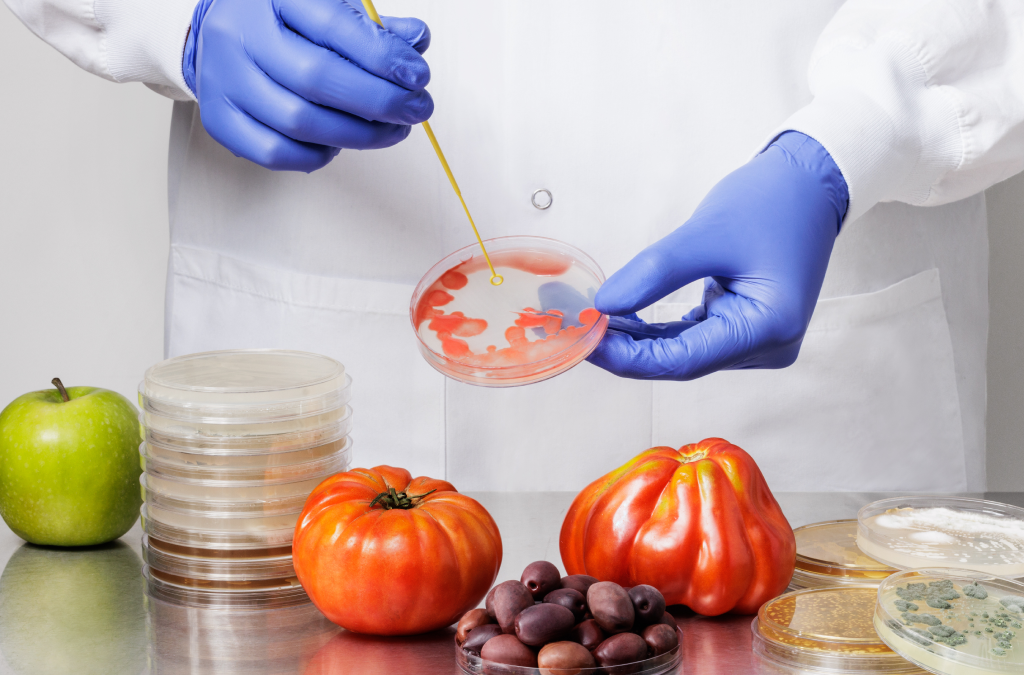




Optimizing cancer treatment with nutrition
Photo Cred: NordWood Themes/Unsplash
By Kellie Blake, RDN, LD, IFNCP
“We’ve learned that sugar doesn’t feed cancer, so he can go ahead and have the apple pie.”
This was a statement from a staff member at one of the premier cancer hospitals in the world while I was visiting a friend going through chemotherapy for a rare sarcoma. After I picked my jaw up off the floor, I realized this advice is likely being given out in many hospitals, where the menus are loaded with refined and processed carbohydrates and inflammatory fats.
Despite the overwhelming evidence for nutrition in cancer care, my friend was never offered nutrition education specific to his type of cancer and nutrition therapy was not discussed by his treating physician. He was only offered the traditional routes of surgery, chemotherapy, radiation, and immunotherapy. As integrative providers, we know the importance of nutrition as an adjunct to traditional cancer therapies for improving both quality of life and outcomes.
Cancer is the second leading cause of death in the United States, with one in four deaths being cancer related. Medical advances have improved survivability by 26 percent since 1991 and an integrative approach can help prevent, halt, and reverse cancer cell growth.
Personalization is necessary and there is no one-size-fits-all approach when it comes to nutrition during cancer treatment. I provide tailored recommendations appropriate to the individual patient, but, in general, I focus on gastrointestinal health, blood sugar and insulin control, and fasting.
The link between the gut microbiome and overall health has been established. The microbes in the gut are responsible for many critical processes like preventing dysbiosis, vitamin creation, the digestion of carbohydrates, immune function, and the metabolism of drugs. The health of the gut impacts the overall health of the patient and, while the optimal gut microbiome is yet to be determined, dietary composition has been shown to significantly affect microbial balance in the gut.
When dietary fiber consumption is adequate, the commensal bacteria can create short-chain fatty acids (SCFA) like butyrate, which has been shown among other important functions, to inhibit cancer cell growth. Butyrate provides 70 percent of the energy needs for healthy colonocytes and when butyrate is in short supply, this system is disrupted allowing for the proliferation of cancer cells. On the other hand, when butyrate production is adequate, apoptosis in cancer cells may occur making it an important target of nutrition therapy.
Increasing butyrate can be accomplished by increasing dietary fiber and resistant starch intake. Dietary fiber is found in ancient grains, legumes, beans, fruits, and vegetables. Most Americans consume less than half the recommended daily amount of fiber. While it is important to at least meet the recommended goals of 25 grams per day for women and 38 grams per day for men, rapid increases in fiber consumption can lead to constipation, so I encourage patients to slowly increase fiber intake, along with adequate water intake, until they reach their goal.
In addition to a wide variety of fiber-rich foods, I specifically encourage the inclusion of resistant starch. Resistant starch passes through the intestine undigested and is fermented by the colonic microbiota. As such, it does not increase the blood glucose level, which is important in cancer therapy and it has been shown to improve both SCFA production and insulin sensitivity. In addition, as reported in Medicina, when digestible carbohydrates were replaced with resistant starch in mice with pancreatic cancer, tumor growth was slowed and the microbiome was favorably altered.
I encourage daily consumption of resistant starch with some options being cooked and cooled starches like potatoes and rice, green bananas, uncooked oats, white beans, and lentils. Butyrate can also be taken in the supplemental form of sodium butyrate.
Cancer cells thrive on glucose and glycolysis, and dietary sugar intake indeed promotes the formation of tumors. Limiting this source of fuel through dietary modification can have an anti-tumor effect. Improving gastrointestinal function and fueling the gut microbiota with whole, fiber-rich foods, will improve glucose control and favorably affect insulin production and insulin sensitivity. The addition of a lower refined-carbohydrate meal plan will enhance these effects. I generally recommend cancer patients obtain about 40 percent of their calories from carbohydrates consisting of lower sugar fruits like berries, a variety of vegetables and legumes, resistant starch and minimally processed grains. I educate patients to avoid refined carbohydrates like white breads, pastas, cereal- and gluten-containing grains, sugar in any form, and excessive fruit consumption.
In addition to improving gut health and lowering glucose and insulin levels, some cancer patients may benefit from periodic fasting. As reported in Recent Results in Cancer Research, caloric restriction and various types of fasting have shown promise in preventing malignancy and can enhance traditional cancer therapies. It is well-documented that cancer cells are susceptible to nutrient deprivation and targeting the metabolites and growth factors that fuel cancer cells with a fasting regimen can decrease their ability to adapt and survive during traditional cancer treatment.
When humans are in the fasted state, glucose, insulin, leptin, and insulin growth factor-1 levels are low and glucagon, ketones, and adiponectin levels are high. Fasting essentially drives healthy cells into a mode that protects them from anticancer drugs while simultaneously increasing the sensitivity of cancer cells to those same drugs, thus serving as an adjunct to traditional cancer therapy.
While strict caloric restriction and water fasting have both shown positive effects when it comes to cancer treatment, they can also have detrimental effects like severe weight loss and muscle wasting and they are difficult for patients to follow. Periodic fasting and a fasting-mimicking diet (FMD), however, provide the valuable benefits of fasting without unfavorable effects and they are more easily implemented by cancer patients.
The FMD is a five-day vegan program that allows patients to consume food during the fast, but at a reduced calorie level. As reported in Nature reviews. Cancer, the FMD does not result in the severe weight loss that is seen with strict caloric restriction and there are no adverse effects on the immune and endocrine systems. In addition, cancer patients can maintain their normal diet between FMD cycles allowing for more freedom with nutritional intake. In a small human trial of 34 participants with breast or ovarian cancer, use of the FMD for 36 to 48 hours before chemotherapy and lasting until 24 hours after chemotherapy resulted in maintained quality of life and reduced fatigue with no adverse effects.
Fasting and the FMD are not stand-alone therapies for cancer patients, but rather work in conjunction with traditional treatment to improve outcomes. Fasting and the FMD should not be recommended to those who are malnourished, frail, or at risk for malnutrition. It is crucial to provide adequate nutrients and if possible, encourage patients to participate in moderate physical activity to help maintain and/or increase muscle mass to maximize the effects of fasting and the FMD. In addition, it is suggested that patients wait a minimum of 24 hours between a single chemotherapy session and the resumption of the normal diet related to the regrowth signals of refeeding.
Unfortunately, my friend lost his battle with metastatic sarcoma. But thankfully, he worked with several integrative providers, including an integrative oncologist, as an adjunct to his traditional therapy and experienced a wonderful quality of life until about four weeks prior to death. His treatment included use of a low refined-carbohydrate, plant-based meal plan, three cycles of the FMD, nutritional supplementation including vitamin D3 with K2, garlic, quercitin, liposomal and intravenous vitamin C, maitake mushroom, curcumin, green tea extract, nattokinaise, omega-3, ginger, bromelaine, melatonin, berberine, and an adrenal formula. He also practiced strength training, walked daily, and utilized prayer as a form of meditation.
While nutrition must be personalized and is not a stand-alone therapy for cancer treatment, focusing on improving the gut microbiome, targeting glucose and insulin levels, and fasting are all considerations for improving quality of life and treatment outcomes.
References
Birt, D.F., Boylston, T., and Hendrich, S. (2013) Resistant starch: promise for improving human health. Advances in Nutrition. Retrieved from: https://www.ncbi.nlm.nih.gov/pmc/articles/PMC3823506/
Brandhorst, S. and Longo, V.D. (2016) Fasting and Caloric Restriction in Cancer Prevention and Treatment. Recent Results in Cancer Research. Retrieved from: https://pubmed.ncbi.nlm.nih.gov/27557543/
Cancer Statistics. NIH National Cancer Institute. Retrieved from: https://www.cancer.gov/about-cancer/understanding/statistics
Klement, R.J. and Pazienza, V. (2019) Impact of Different Types of Diet on Gut Microbiota Profiles and Cancer Prevention and Treatment. Medicina (Kaunas). Retrieved from: https://www.ncbi.nlm.nih.gov/pmc/articles/PMC6524347/
Nencioni, A., Caffa, I., Cortellino, S., and Longo, V.D. (2018) Fasting and cancer: molecular mechanisms and clinical application. Nature Reviews. Cancer. Retrieved from: https://www.ncbi.nlm.nih.gov/pmc/articles/PMC6938162/
U.S. Cancer Statistics Working Group. (2020) U.S. Cancer Statistics Data Visualizations Tool, based on 2019 submission data (1999-2017). U.S. Department of Health and Human Services, U.S. Centers for Disease Control and Prevention, and National Cancer Institute. Retrieved from: https://gis.cdc.gov/Cancer/USCS/DataViz.html
About the Author: CJ Weber

Also on Integrative Practitioner

Measuring Biology vs. Symptomatology: The Fully Integrated Functional Wellness Program
Non-Member Price: $30.00 Member Price: $18.00 – 40% Off for Members Only Add to Cart Presented by: Dane Donohue, DC...

Integrative and Comprehensive Approach to Inflammatory Bowel Disease
Non-Member Price: $30.00 Member Price: $18.00 – 40% Off for Members Only Add to Cart Presented by: Ronald Hoffman, MD,...

Dental Danger: Signs of Sleep Breathing Disorders in children and Adults, Learn the Visual Clues
Non-Member Price: $30.00 Member Price: $18.00 – 40% Off for Members Only Add to Cart Presented by: Mark Breiner, DDS,...

Dietary Needs of the Cognitively Impaired
Non-Member Price: $30.00 Member Price: $18.00 – 40% Off for Members Only Add to Cart Presented by: Laura Rokosz, PhD...

Lifestyle Choices Chart Your Brains Destiny
Non-Member Price: $30.00 Member Price: $18.00 – 40% Off for Members Only Add to Cart Presented by: David Perlmutter, MD,...