







Weight gain may not be what, but how you eat
Photo Cred: Pablo Merchán Montes/Unsplash
By Bill Reddy, LAc, DiplAc
As integrative healthcare professionals, most of us have varying discussions about diet with our patients. Though I do refer to registered dietitians for specific recommendations, one of the most common paradigm shifts I work on with patients is recommending to switch their focus from what a food tastes like, to how it makes them feel.
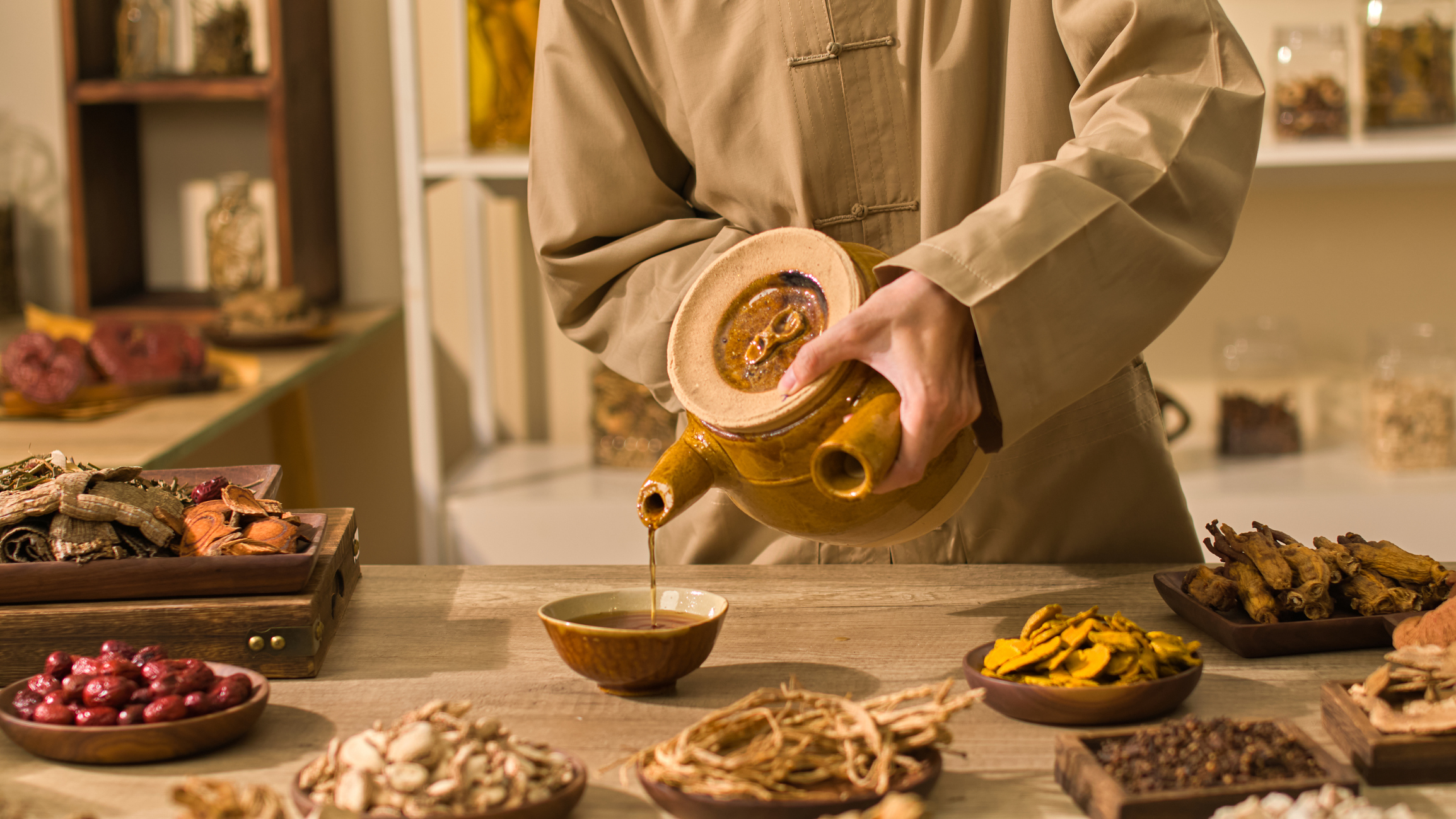
Our biochemistry is unique to us, and some foods can provide clean energy to one person while making another person feel fatigued, complete with brain fog and weight gain. In Traditional Chinese Medicine (TCM), food contains “Gu Qi” also known as grain qi, reflecting the life energy in a food or beverage. A ripe fuji apple is full of life force. Nuts and seeds have a higher concentration of Gu Qi according to TCM, and contemporary nutritionists refer to them as “nutrient dense” foods or those high in phytonutrients, containing generous amounts of calories, fats, complex carbs, protein, vitamins, minerals and fiber. Every “process” we put a whole food through diminishes its life force.
“Processing” may be as simple as homogenizing milk, or as complex as incorporating 35 chemicals and additives to a food product. For example, a highly processed candy bar may impart quick energy (or a sugar spike), but it doesn’t last long and is typically followed by a crash. Having a patient “check in” with themselves about an hour after they eat can give them a good measure of whether that food furnishes them with the energy and focus that they need.
Mindful eating has really taken off in the past decade, along with the “slow food” movement. Mindfulness practitioners recommend that we’re present with every bite we take. However, when we’re in a group involved with conversation during a meal, our attention is with our friends and not with our food. Mindful eating involves:
- Taking several deep breaths before the meal to get the body ready to digest
- Smell your food to trigger salivary glands and “take it all in”
- Eating slowly and without distraction
- Listening to physical hunger cues and eating only until full
- Distinguishing between true hunger and non-hunger triggers for eating
- Engaging senses by noticing colors, smells, sounds, textures, and flavors
People who eat slowly tend to eat less and paying attention to a meal is linked to eating less later in the day. Studies with both children and adults show that “distracted eating” occurs when sitting in front of the TV, computer, or phone. Portion control goes out the window, especially with snack foods coming right out of the can or bag. If a TV show is an hour long, it’s more likely people will continue eating for that period compared with eating at their dining room table. If your patient is working from home, before they open the refrigerator, have them ask themselves if they’re hungry. Sometimes it’s more habit than hunger.
Gastrointestinal health specialists recommend we chew each bite 32 times before swallowing, unless it’s soft food like yogurt. There’s good reason to follow that edict. First, proper mastication of food thoroughly lubricates the bolus to move down the esophagus without damaging the delicate walls. Secondly, saliva contains enzymes such as amylase that begins the digestion process. Finally, grinding fruit and vegetables between our teeth breaks cell walls releasing phytochemicals or phytonutrients for better bioavailability and nutritional value.
A study demonstrated that those participants eating almonds slowly and chewing them completely had greater nutritional absorption than those who chewed less and had larger pieces in their gastrointestinal tract. Taking time when eating also shifts the nervous system from sympathetic to parasympathetic for better digestion and allows time to recognize satiation signals and avoid overeating. Undigested food in the stool is a classic example of eating too fast or consuming cold drinks with the meal. Partial chewing also leads to bloating and weight gain.
In TCM, cold liquids damage the Spleen and Stomach, where the Spleen organ is involved with transport and transformation, and food and drink are transformed into nutrients which are the sources of Qi and Blood. The nutrients include glucose, amino acids, fat, minerals, and cations-anions.
The Stomach, which is the Spleen’s interior/exterior related yang organ, is considered a reservoir or sack that empties into the small intestine. From there, the Qi and Blood help furnish nourishment to all organs and tissues of the body.
Take this concept from a Western medical perspective. The interior stomach rugae are wrapped with muscular tissue that is inhibited when exposed to cold drinks, limiting gastric motility. The hydrochloric acid in the gastric juices, which cleaves proteins into amino acids, is diluted when drinking with meals. Stomach acid also protects us from infection by killing bacteria and viruses, before they can invade the alkaline small intestine.
The Chinese typically don’t drink with their meals but may have some warm tea afterward. Not drinking with a meal promotes more thorough chewing and keeps people from using their beverage to wash down poorly chewed food.
A few recommendations practitioners may make for their patients are as follows:
- Pay attention to chewing your food.
- Instead of focusing on how something tastes, notice how it makes you feel.
- Put the fork or spoon down in between bites.
- If they have the habit of eating while watching TV or device, have them disconnect the two behaviors. It’s okay to have a small snack when watching TV, but move to the dining room table to eat a meal and then go back to the TV. Being mindful during eating will reduce the amount eaten and limit hunger and snacking later.
- Suggest they use chop sticks. That limits the volume of food that can be placed in their mouth per bite.
- Consider using their non-dominant hand to eat. That’s a game changer.
- Don’t drink with your meals.
- Recognize that eating is part of self-care and make healthy choices.
References
Jie Li, Na Zhang, Lizhen Hu, Ze Li, Rui Li, Cong Li, and Shuran Wang (2011). Improvement in chewing activity reduces energy intake in one meal and modulates plasma gut hormone concentrations in obese and lean young Chinese men. The American Journal of Clinical Nutrition. Retrieved from: https://doi.org/10.3945/ajcn.111.015164
About the Author: CJ Weber

Also on Integrative Practitioner

Dental Danger: Signs of Sleep Breathing Disorders in children and Adults, Learn the Visual Clues
Non-Member Price: $30.00 Member Price: $18.00 – 40% Off for Members Only Add to Cart Presented by: Mark Breiner, DDS,...

Integrative and Comprehensive Approach to Inflammatory Bowel Disease
Non-Member Price: $30.00 Member Price: $18.00 – 40% Off for Members Only Add to Cart Presented by: Ronald Hoffman, MD,...

Measuring Biology vs. Symptomatology: The Fully Integrated Functional Wellness Program
Non-Member Price: $30.00 Member Price: $18.00 – 40% Off for Members Only Add to Cart Presented by: Dane Donohue, DC...

Change Your Genes, Change Your Life
Non-Member Price: $30.00 Member Price: $18.00 – 40% Off for Members Only Add to Cart Presented by: Kenneth Pelletier, PhD,...
Guided Imagery – Efficacious, Portable, Scalable, User-Friendly, Self-Administered
Non-Member Price: $30.00 Member Price: $18.00 – 40% Off for Members Only Add to Cart Presented by: Belleruth Naparstek, ACSW...